Wednesday, March 6, 2019

Corporate Image: Why Your Brand’s Public Perception Matters More Than Ever Now

Yesterday, Contently, a content marketing software company that connects freelance creators with enterprise brands, tweeted a letter from their CEO that won over the freelance community just as fast as the issue they were addressing sparked backlash against them.

In a move to help them reach profitability, and, in turn, provide more creative opportunities to their freelancers, Contently announced last Wednesday that they would charge freelancers a mandatory service fee for every assignment they book.

But after the freelance community promptly pointed out how Contently’s new service fee could hamper their earning potential and end their freelance careers, Contently did something that some companies would never do -- they listened.

In their letter, Contently’s CEO Joe Coleman announced they’ve decided not to implement the new service fee, and that they should’ve consulted their freelancers -- who are the backbone of their company -- before they even considered implementing the change.

Although there was a #NoContentForContently campaign trending on Twitter just hours before they released their statement, Contently’s decision to scrap their service fee has received an outpour of praise from the freelance community on the social media site.

Contently’s realization that they weren’t prioritizing the needs of the lifeblood of their company could potentially save their corporate image in the freelance industry. Because even though they made a crucial mistake that’s consequences seemed irreversible, the positive response to their correction proves that if you’re willing to listen to your customers, admit your mistakes, and remedy them, it can extinguish even the wildest of fires.

What Is Corporate Image?

Your company’s corporate image is your brand’s public perception. You can help shape it by telling the public what kind of company you are through marketing and advertising. But what really sculpts your corporate image is your company’s actions, like performing well financially, developing innovative products and services, following ethical business practices, actually operating by your values, appropriately responding to company criticism, providing tremendous customer service, treating your employees with dignity and respect, and attracting elite talent.

All of these actions fuel the flywheel of word-of-mouth marketing for your brand, which is the most effective and trusted form of marketing, especially when the internet has enabled every brand to scream for your audience’s attention today.

Developing a stellar corporate image also opens up more opportunities for customer testimonials, case studies, product reviews, and awards that can provide the social proof needed to earn new customers’ trust.

Why Corporate Image Is More Important Than Ever Before

Nowadays, most people support brands that share the same values as them. And by letting the world know about their beliefs, they can solidify an ideal image of themselves within their social circle and their own minds.

In fact, according to Cone Communications’ millennial corporate social responsibility study, 88% of U.S. adults said they’d stop buying products from a company that practices irresponsible or deceptive business practices.

Additionally, Opinion Research discovered that 87% of customers would choose a product from a brand with a better reputation, even if the competing brands’ product was identical.

3 Ways You Can Bolster Your Corporate Image

1. Identify your company’s purpose.

If you truly want to build a loyal following for your brand and, in turn, strengthen your reputation, your company's core message should focus on your purpose -- not how you make your product or what your product is. This notion, that people buy the “why” behind your organization -- not the “what” or “how”, isn’t some idealistic trend catching fire in the business world today, though. It’s actually rooted in human biology.

To explain further, the most primal part of the brain is called the limbic system, and it controls all decision making. It also happens to control all of our emotions and feelings. So, resonating with your audience will also appeal to the part of the brain that’s responsible for action. In other words, if you can evoke emotion, you can drive behavior.

Conveying a clear and convincing purpose through all your brand’s actions will forge the emotional connection required to persuade an audience to support you. And the more people who support you, the stronger your reputation will become.

2. Make sure you can walk the walk.

Sometimes, brands that want to reap the rewards of being a mission-driven company don’t actually adhere to the values they claim they’re so passionate about, which has never jived well with consumers.

A Yale psychology study suggests that highlighting your morality is essentially a short-cut to high status. But if people realize you don’t actually possess the traits that shot you up the social ladder, they’ll lose trust in you and respond harshly to your hypocrisy.

So before you start boasting about your company’s dedication to putting the customer first, make sure your actions are actually aligned with these values, or that you have a plan in place to do so.

3. Own your mistakes.

Even the smartest brands make mistakes. But what separates the good companies from the great ones is their ability to admit that their wrong and change course in light of new information. Unfortunately, a lot of companies won’t admit their mistakes or change their minds, even if it’s the right choice, because they have too much pride or don’t want to seem weak.

However, admitting you’re wrong actually requires a lot more strength than sticking to something that hurts your customers just because you’ve invested a lot of time or effort into some initiative. By owning your mistake and correcting it -- instead of blaming the issue on external factors -- your customers will understand the rationale behind your decision and appreciate your honesty and humbleness.

Just like Contently, making a mistake that hurts you customers can spark harsh backlash and even start a trending Twitter hashtag that undermines your brand's integrity. But, ultimately, you can still earn back your customers’ trust and support if you put your pride aside and own and correct your mistakes.

http://bit.ly/2XGZKJl

Getting Started With Adobe Creative Cloud

In college, I took a semester-long video editing course which required me to work in Adobe Premiere Pro. If you’re unfamiliar, it’s a video editing software for TV, film, and web. By the end of the semester, I realized my classmates and I had only mastered a small portion of the software. That’s because Adobe Premiere Pro has hundreds of features and capabilities to create virtually any type of video you could imagine. 

And Premiere Pro isn’t the only software like this. In fact, Adobe sells over 20 more applications that cover a variety of skills, such as photography, design, and website development, each of which also has hundreds of features and capabilities. You can gain access to all of these applications— along with other creative tools — by becoming an Adobe Creative Cloud user.

So, what is Adobe Creative Cloud? Which apps and services are included with it? And what do each of them do?

We’ll cover the answers to these questions and more momentarily. But first, it’s important to note Adobe Creative Cloud is a detailed and complex software that is frequently updated with new features. This guide will help you get started with Adobe Creative Cloud and provide you with a broad overview of some of its features — it’s by no means an exhaustive explanation of the software.

Now — time to answer the most important question.

Although Adobe Creative Cloud is complex and has so many features,the software has capabilities for users of all levels, from beginner to professional. Meaning, you don't need to be an expert in photography, videography, design, or web development to use Creative Cloud.

Now, let's review a list ofAdobe Creative Cloud appsso you can learn more about the software's functionality.

Here are some of the main features of each of these applications to help you get a better understand of what makes them unique.

Photoshop

Photoshop is an imaging and graphic design software ideal for working on, creating, and modifying photos, sketches, and illustrations. It allows you to simulate images, manipulate 3D artwork, and edit videos.

InDesign

InDesign is a layout design software for creating and publishing posters, books, magazines, and PDFs. The application can help you make simple animations.

Illustrator

Illustrator is a vector graphics software, which makes it ideal for creating illustrations for web, video, mobile, and print. You can make one of a kind drawings, logos, color swatches, and typography with the application.

Lightroom

Lightroom is a cloud-based photography software — meaning you can access your photo content from anywhere via any device. The application allows you to edit, share, organize, and store your photos.

Adobe XD

Adobe XD is a comprehensive website development software ideal for user experience (UX) designers. You can create and share web page prototypes throughout the design process to ensure you achieve the UX you envision for your site.

Adobe Rush

Adobe Premiere Rush is a mobile-friendly software for creating and publishing high-quality video content while on the go. The app has a built-in camera so you can shoot, edit, and share videos and then upload them to your social media channels all from your mobile device.

Adobe Premiere Pro

Adobe Premiere Pro is a video-editing software made for working on film, web, and TV content. The application includes features which allow you to improve your video’s audio quality, change its color grading, and implement motion graphics.

After Effects

After Effects is a motion graphics and visual effects software for creating unique transitions, film titles, and introductions. You can make text, logos, and characters move in virtually any way with the app.

Adobe Audition

Adobe Audition is an editing software for creating, mixing, and restoring audio. The app includes waveform, multitrack, and spectral displays so you can choose the option that’s compatible with your audio.

Adobe Spark

Adobe Spark is a storytelling software for creating social graphics, video stories, and web pages. The app allows you to brand any content you make and design images or videos for web and mobile.

Character Animator

Character Animator allows you to transform any piece of art, or one of the software’s built-in character templates, into an animation. You can also use your webcam to add your movements and expressions to the animation in real time.

Dimension

Dimension is built for graphic designers looking to create photorealistic images. The software allows you to make product mockups, package designs, and custom logos. Realistic 3D images can also be created by incorporating the right materials, backdrops, lighting, and perspective in any piece of work.

Acrobat Pro

Acrobat Pro is a cloud-based document-reading and PDF tool — meaning you and your team members can review, share, and organize important PDF files from anywhere and any device. You can have multiple reviewers on one document and easily collect everyone’s comments on the shared PDF.

Dreamweaver

Dreamweaver is a web design application. It’s ideal for building responsive websites — meaning your site is sure to look great no matter the device or screen size it’s being viewed on. The software supports HTML, Javascript, CSS, and other programming languages so you can code and design your site any way you want.

Animate

Animate allows you to create unique, interactive vector and bitmap animations for web, video games, and apps. You can sketch characters or draw animations and make them come to life with a variety of tools the app offers.

Lightroom Classic

Lightroom Classic is a cloud-based photo editing app for mobile and desktop. You can enhance colors, remove parts of an image completely, stitch photos together to create a panorama, and alter distorted images. 

Bridge

Bridge is an organizational program for all of your Creative Cloud apps and work. It allows you to determine personal and team assets as well as browse, organize, preview, and make batch edits to files created within any of your Creative Cloud apps.

Media Encoder

Media Encoder is a media processing application used to manage your content across all of your Adobe applications. You can ingest, transcode, and output media in any format you need for your projects and designs.

In Copy

InCopy is a software made for working with copywriters and editors. You can track changes, make layout suggestions, style text, and share documents. You can also review a document simultaneously with other editors, without writing over each other’s comments and suggestions.

Prelude

Prelude is a video logging, metadata entry, and ingesting tool used for creating a rough cut of your content. Its integration with Adobe Premiere Pro makes it easy to transition into more thorough video edits whenever you’re ready.

Fuse

Fuse allows you to create 3D characters for Photoshop. The modeling app makes building human-like characters and models for your projects simple. You can then pose, animate, and continue to modify them once in your Photoshop project.

If you're looking to access the Creative Cloud while on the go, check out this list of Adobe mobile apps which will allow you to do just that. 

15 Things You Can Do With Adobe Creative Cloud

We’ve curated this list of 15 things you can do with Adobe Creative Cloud to give you an idea of the wide range of functionality it provides. As you read through this list, remember there are thousands more features that Creative Cloud offers.

1. Access the Adobe Creative Cloud mobile app.
adobe-creative-cloud-mobile-appSource

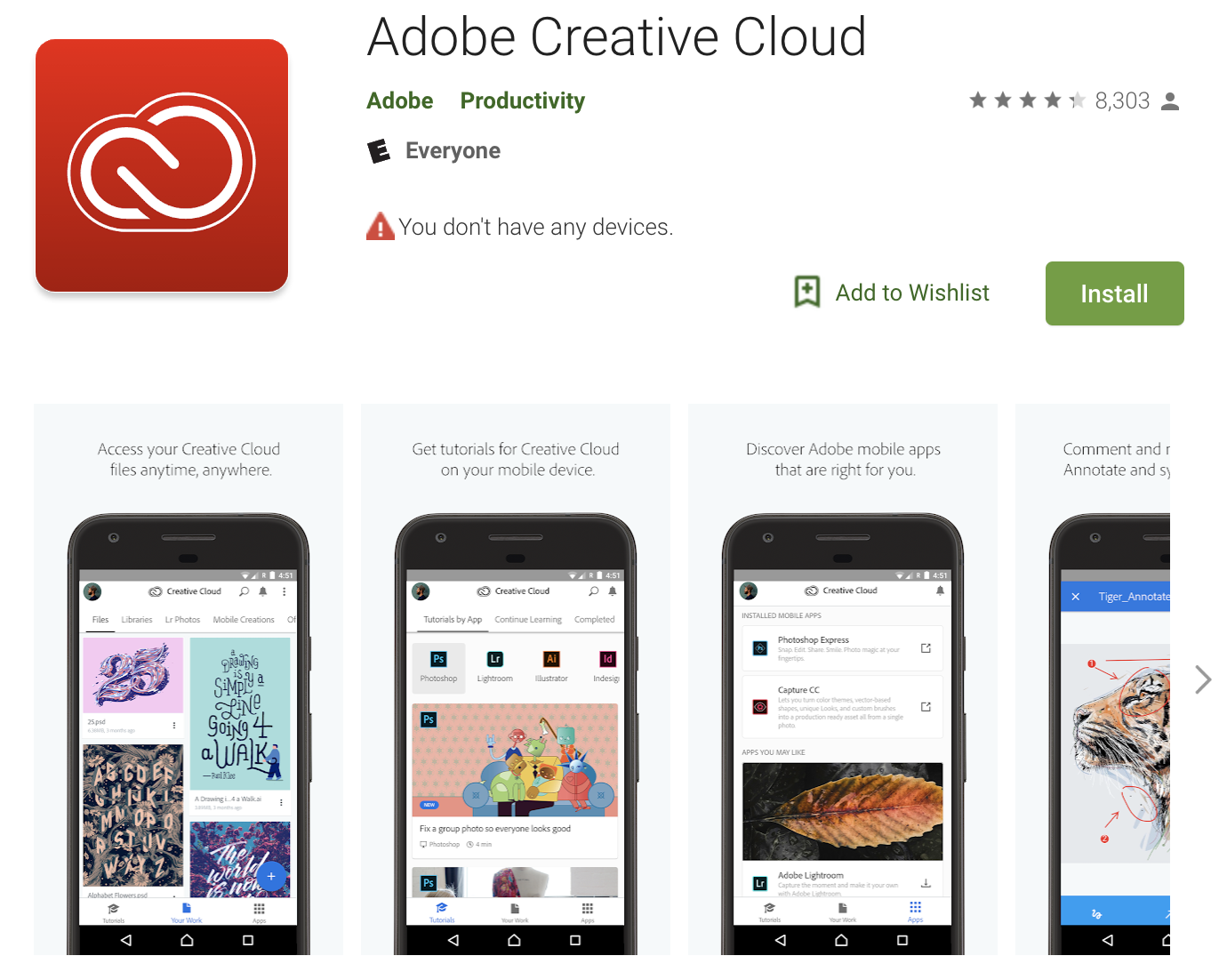
As an Adobe Creative Cloud user, you may find yourself thinking of new designs, modifications to a current creation, or ideas you want to add to your project while on the go. If this is the case, you can always access your work through the Adobe Creative Cloud mobile app which allows you to view, sync, and modify your work via a mobile device.

The Creative Cloud app is available for download through iTunes and Google Play. However, there’s a catch — depending on your Creative Cloud plan, you may or may not have access to the app for free. If you have one of the less expensive subscriptions, you may have to obtain the Creative Cloud mobile app independently. Another option would be to purchase a mobile app for the specific Adobe Creative Cloud application you need, such as Photoshop or Lightroom.

2. Conduct real-time content reviews.

Whether it’s reviewing written content, photos, videos, or website design, you can receive real-time reviews and feedback from your team members in just seconds with Creative Cloud. 

No matter what you’re creating or where you are in the process, the software makes it easy to collaborate and conduct content reviews in real time. This is because of the Creative Cloud’s synced, live editing feature which allows you to view changes, edits, and commentary immediately after they’re added. As previously mentioned, there are even ways to easily leave content reviews on PDFs, which is often a time-consuming, and sometimes impossible, task.

3. Use Adobe Fonts.
adobe-fontsSource

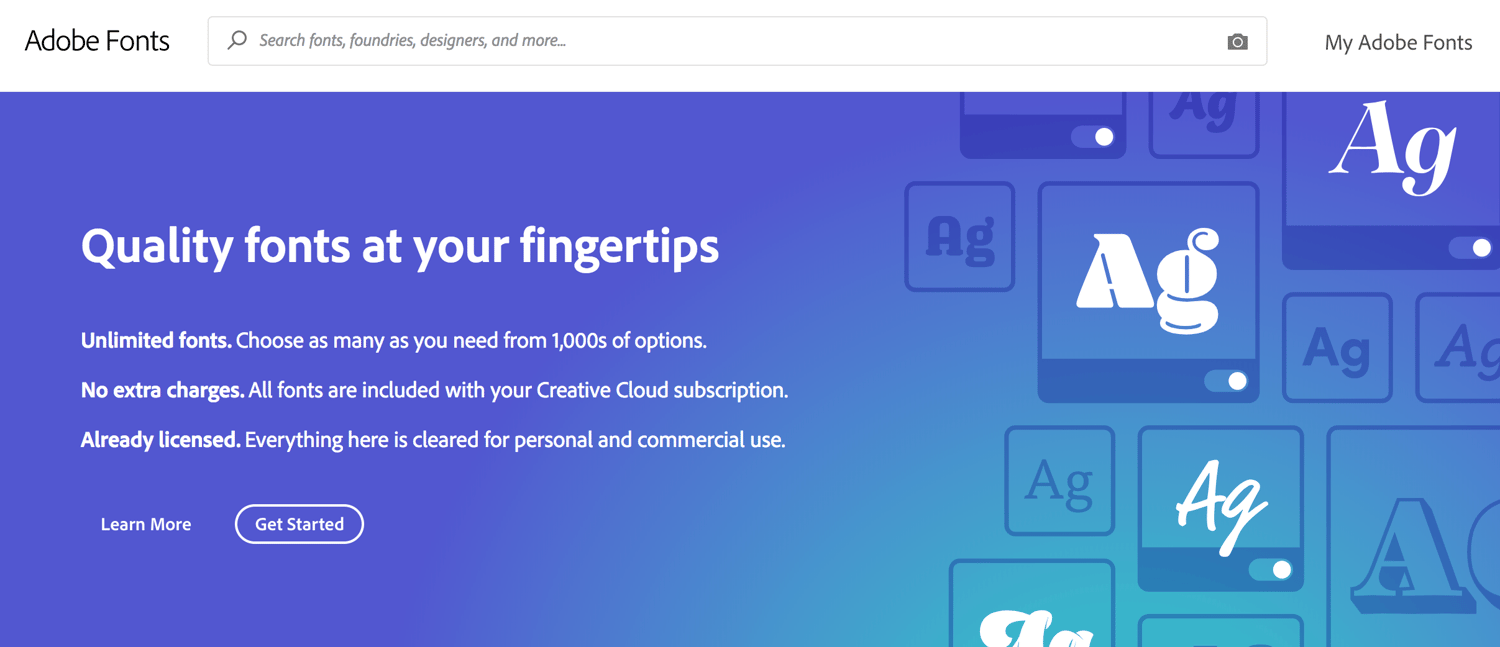
As a Creative Cloud user, you’ll have access to thousands of fonts you can download and use in any of your projects, in any app, with Adobe Fonts. You can browse, activate, or deactivate your fonts within your various apps whenever you choose. Once a font is activated, you can use it offline if needed — your edits will be reflected once you reconnect to WiFi.

4. Create animations for your designs and website.

There are a number of ways you can create animations with Adobe Creative Cloud depending on your needs. Start by sketching a figure or background in an app like Photoshop or Illustrator, or use a provided template. Then, you can turn it into a life-like character or a 3D object in After Effects or Animate. There are animation options within these apps suited for web, cartoons, TV, film, and mobile.

5. Create a website with Adobe Portfolio.
adobe-portfolioSource

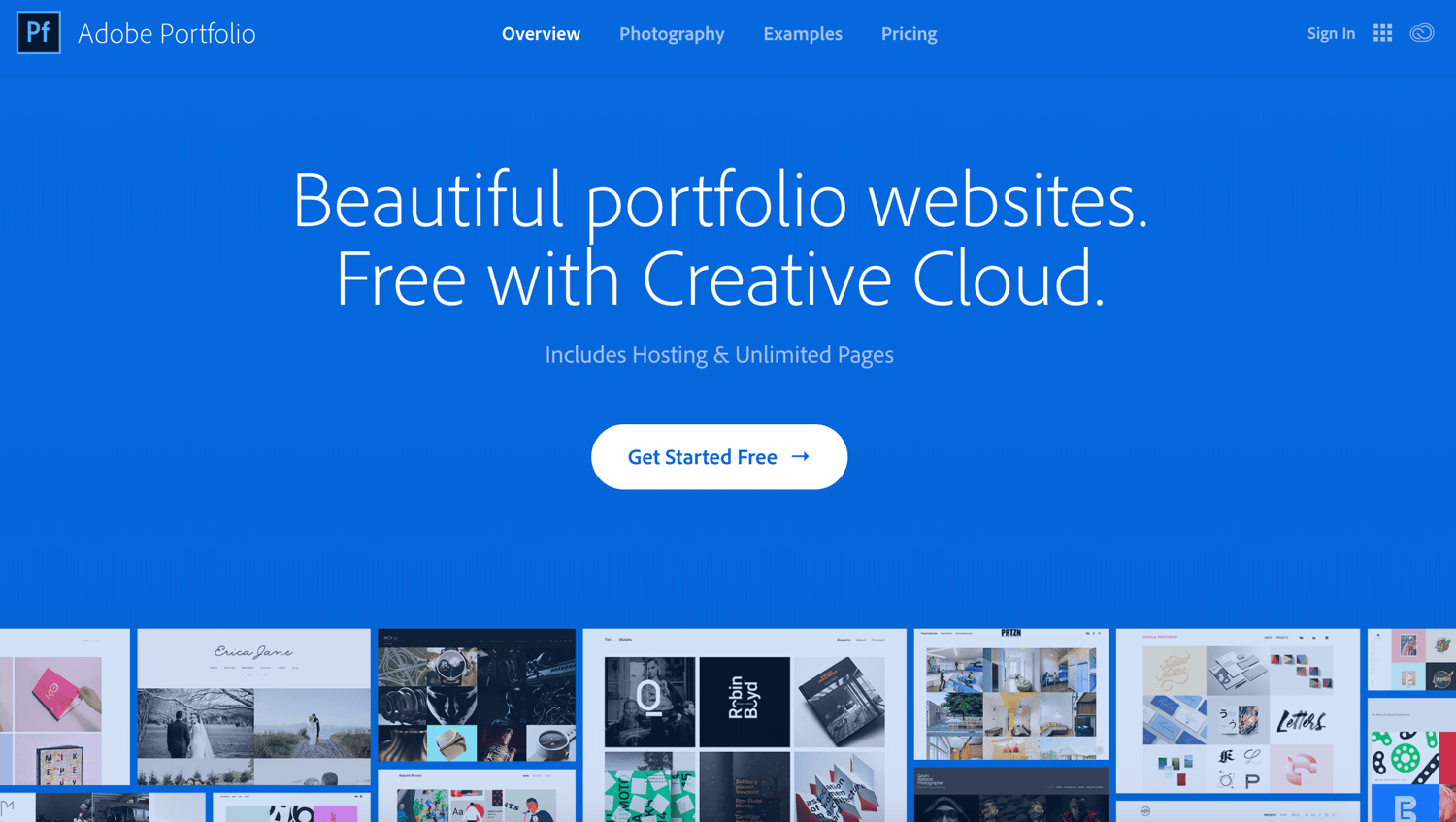
It’s safe to assume you’ll be working on various designs and projects once you get Adobe Creative Cloud. So wouldn’t it be nice if you had a place to display all of your efforts? Well, there is — it’s called Adobe Portfolio and you’ll have access to it once you download the Creative Cloud.

Adobe Portfolio is a digital portfolio-making website. You upload your Adobe work directly to Portfolio and display it in any way you want. With dozens of customization options, a responsive design, live editing, and custom domain options, you’ll be able to display your content in a way that makes you proud to share it with potential employers, coworkers, professors, friends, and family.

6. Access your Creative Cloud Assets.
adobe-creative-cloud-assetsSource

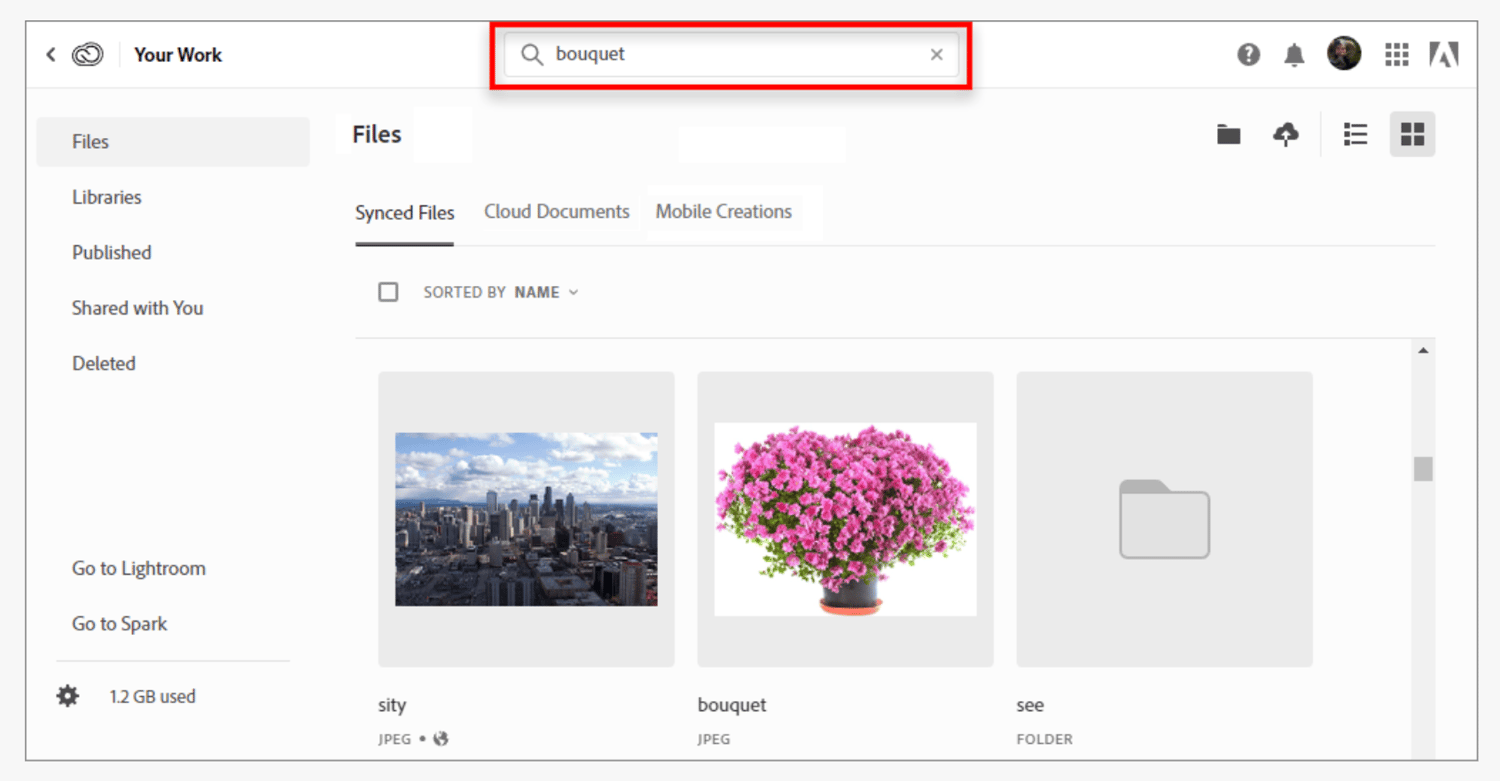
As a Creative Cloud user, you’ll have access to Adobe Assets (which you can only view and use by signing into your account at assets.adobe.com). Adobe Assets include thousands of unique, royalty-free creative aids such as vector graphics, patterns, and icons. They’re used to enhance your work, add to your creativity, and help you build or design anything you desire.

7. Apply CSS to your site to style your web pages.

When using Dreamweaver to build your website, you may want to apply Cascading Style Sheets (CSS) to help you style your web pages. Although this feature is for more advanced Creative Cloud users, it works in tandem with HTML and is a great option if you want to have more control over the visual elements on your web pages.

8. Sketch images and backgrounds by hand.

With the Adobe Creative Cloud, you have the opportunity to hand-draw images and backgrounds in specific apps like Illustrator or Photoshop. Depending on your Creative Cloud plan, you may have access to one of the mobile apps, such as Illustrator Draw, which allow you to use your finger to draw images directly on your mobile device’s screen and implement them in your project immediately.

9. Create custom color swatches.

A color swatch saves and displays a variety of chosen colors, patterns, gradients, and tints. You can create and manage custom color swatches for your projects in various Creative Cloud apps like Illustrator, Photoshop, and InDesign. 

While working on your projects, you may find yourself hopping between different Creative Cloud apps — meaning you might also want your custom color swatch to move between apps. Creative Cloud allows you to do this with the click of a button. For example, if you create a custom color swatch in Illustrator and you need to move over to Photoshop to continue working on an image, you can simply import your color swatch and use your custom palette there.

10. Build responsive website layouts.

These days, it’s critical for websites to have responsive layouts — meaning they automatically adjust in size to fit the screen they’re being viewed on, such as a desktop computer or mobile device. If you’re building a website with the Adobe Creative Cloud, ensuring your site has a responsive design is simple. This is because of the standard capabilities and features that come with software like Dreamweaver, which is the application you’ll most likely be building and coding your site with.

11. Turn your photos into vector images.

There are several ways you can take a photograph and transform it into a vector graphic — or a drawing — using Photoshop, Illustrator, or InDesign. This prepares the image you’re working with to be modified and scaled as much as you want, without causing it to lose any quality.

12. Use wireframing and prototyping techniques to design your site.

Wireframing and prototyping are major components of website, app, and software design. They provide designers with a simplistic view of what their site will look like and how their pages will be structured prior to it going live. Wireframing and prototyping also give you the opportunity to review some of the real content being created for the website so you can realistically envision how it’ll function. You can apply wireframing and prototyping techniques with Adobe XD, InDesign, or Photoshop.

13. Learn from the hundreds of free Adobe Creative Cloud tutorials.
adobe-creative-cloud-tutorialsSource

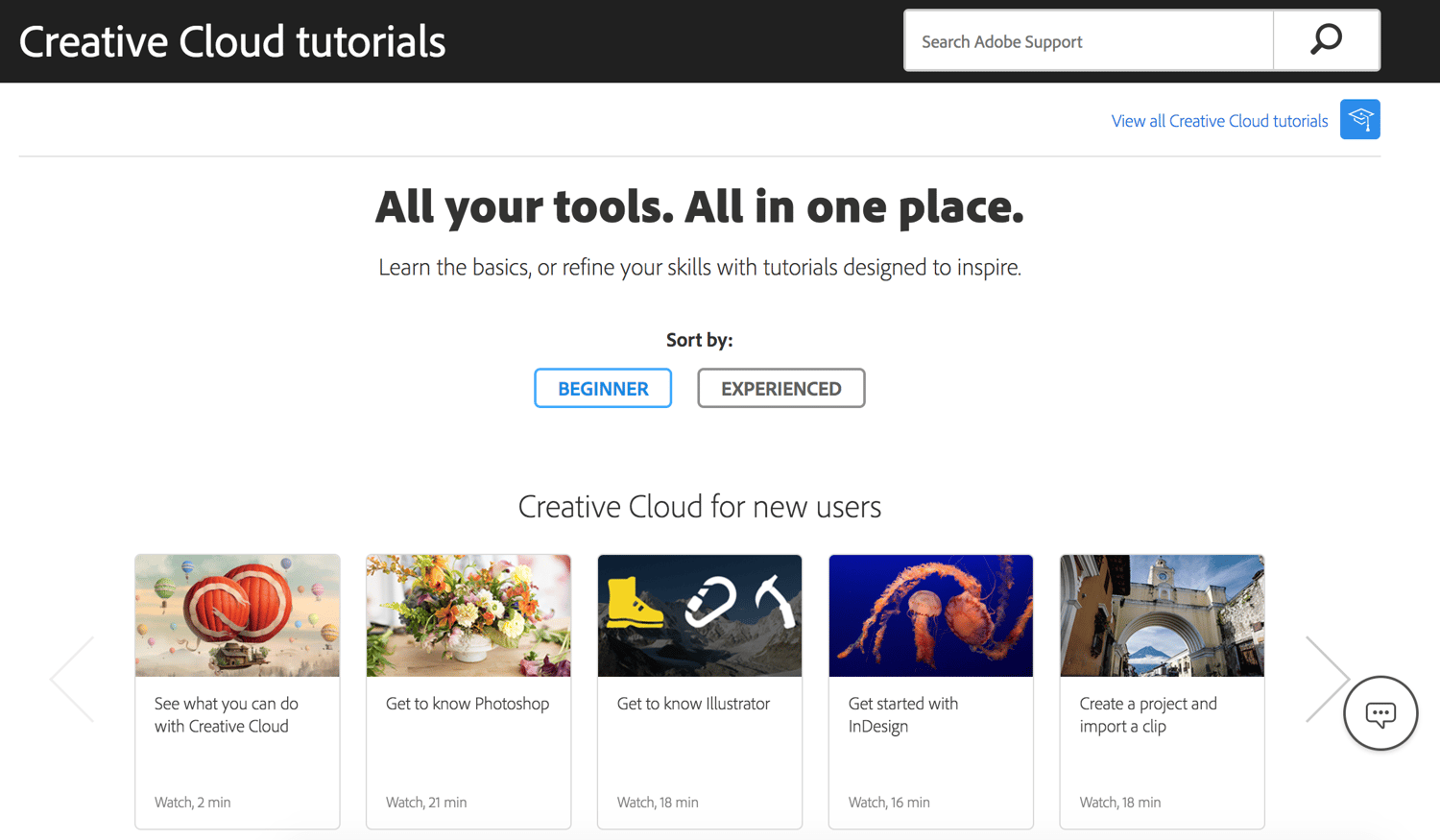
When you get started with Adobe Creative Cloud, you may feel slightly overwhelmed by the vast amount of tools, features, and capabilities included with the software. This is expected — and it’s also why there are dozens of resources available to you — for free — to help you work through everything from the simplest, surface-level problem to the most specific, high-level roadblock. We’ll review a list of available resources and types of support shortly.

14. Identify and use fonts from your photos.

Have you ever seen a logo, billboard, or another piece of advertising with a font you just loved? Maybe you thought, “That font would be perfect for my project!”

Good news — with Adobe Creative Cloud, you can actually match the font from an image you import to Photoshop. This feature allows you to review the font options Adobe “matches” to the font in your imported photo. It also browses the Adobe Font library to find any other possible matches for you to choose from.

15. Adjust the color of your videos.

Screen Shot 2019-03-05 at 8.12.51 AMSource

Many people adjust the gradient, saturation, and luminance of their photos every day, whether it’s on Instagram, their smartphone, or an editing app like Photoshop. But the Creative Cloud allows you to adjust the color of your video footage just as easily. With the help of the tools available in Premiere Pro and After Effects, you can correct the color and luminance of your video footage so it fits the look of your site, meets broadcast standards, or is simply easier for viewers to watch.

Now that we’ve reviewed just some of the many things you can do with Creative Cloud, let’s discuss the various plan and subscription options you have as a user.

Adobe Creative Cloud Plans and Pricing

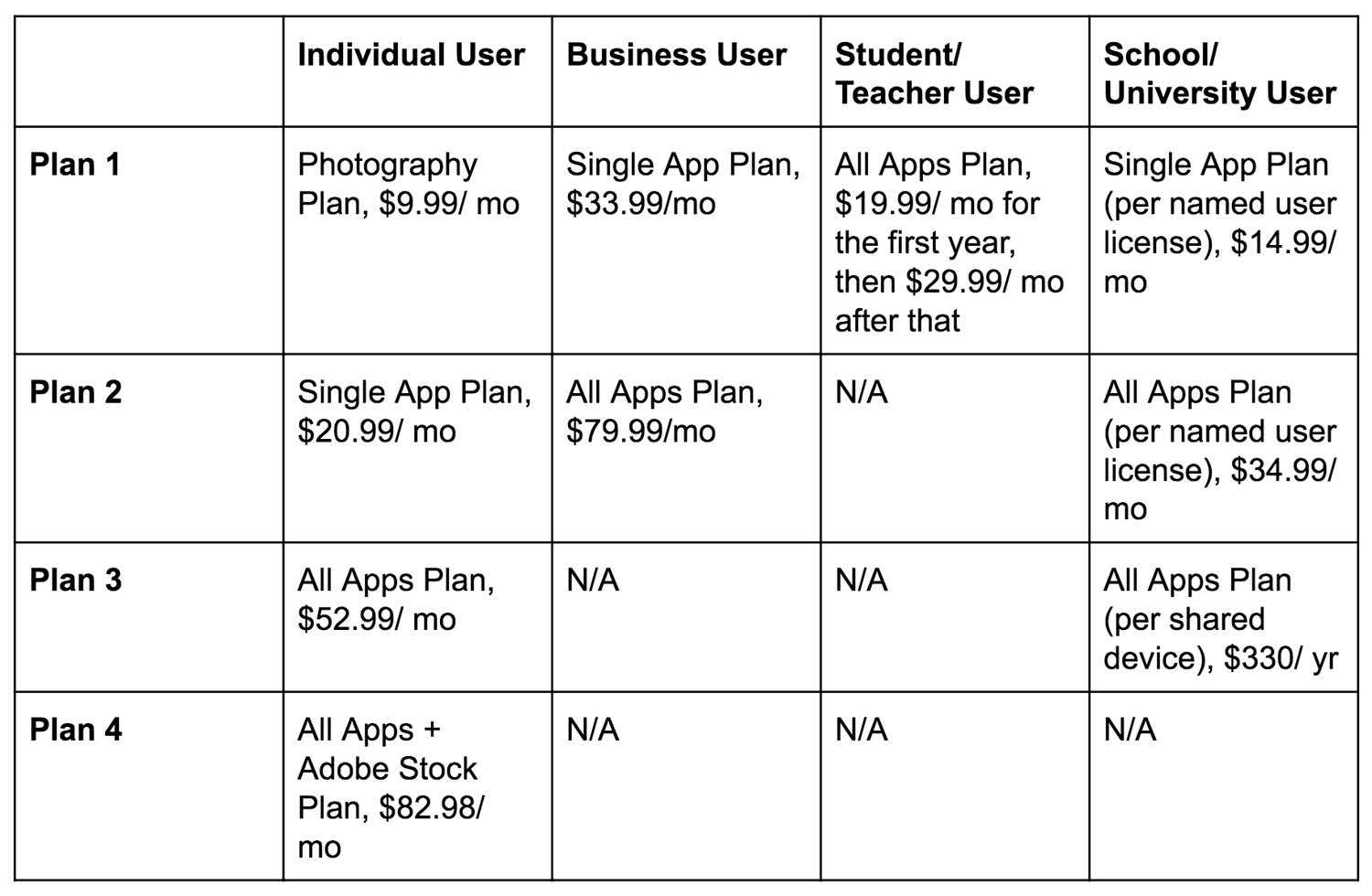
Here’s a look at the Adobe Creative Cloud plans and pricing options. They’re based on type and number of users you have, as well as your specific needs.

Depending on the plan you choose, you may have the option to pay monthly or annually. We’ve created the following chart to give you an overview of your options. There are more specific customization options within each plan to consider, so be sure to review the Adobe Creative Cloud plans and pricing page in depth prior to making your decision.
adobe-creative-cloud-plans

Note: If you’re buying Adobe Creative Cloud as an institution, you’ll have to use Creative Cloud Enterprise.

Adobe Creative Cloud Resources

As mentioned earlier, learning Adobe Creative Cloud may seem like an overwhelming task, considering the level of functionality and number of features the software offers. Don’t let this deter you from getting started — there’s no shortage of resources and tools to help you throughout your experience. 

There are resources to help you determine which apps and services are ideal for your needs, including review sites like Capterra, TechRadar, and G2Crowd. You can use these sites to read customer and professional reviews about their experiences, likes and dislikes about the Creative Cloud. You can also learn about the individual applications and what makes the software unique.

Once you have determined your Adobe Creative Cloud plan of choice, you can use one of the many resources — created by Adobe — to help you become comfortable working in the applications. Here are a few of the tutorials Adobe offers: 

Lastly, online learning platforms, such as Lynda, offer access to a number of Adobe Creative Cloud training sessions, classes, and tutorials for you to browse and purchase.

Start Creating

Adobe Creative Cloud is an ideal software option if you’re in video, photography, design, or web development. It includes a wide range of tools and resources to help you reach your creative goals. 

Determine how Adobe Creative Cloud can help you, choose a plan that meets your specific needs, and get started creating today. And when in doubt, review one of the many resources available to assist you through any challenges you may encounter along the way.

http://bit.ly/2TuF4Fk

How to Market on Reddit: A Guide for Businesses

Are you looking to expand your marketing outside the traditional social platforms? Have you considered Reddit? In this article, you’ll learn how to market your business on Reddit. Why Marketers Should Consider Reddit For as much as we, as social media marketers, champion the deep potential of social media to engage and empower audiences, this […]

The post How to Market on Reddit: A Guide for Businesses appeared first on Social Media Marketing | Social Media Examiner.

March 06, 2019 at 12:00PM http://bit.ly/2H3JtsY
read more...
from Social Media Marketing | Social Media Examiner http://bit.ly/2NOZnrK
via IFTTT

Tuesday, March 5, 2019

Your Google Rank Doesn't Matter Anymore

For a long time, keyword rankings were a staple part of any SEO campaign. In a lot of cases they were a primary metric used to judge performance.

Today, your Google keyword ranking is just one of several reasons your traffic can increase or decrease.

Just six or seven years ago, we had so much more information on the keywords users were searching to reach our web content. All of this information was available transparently within Google Analytics, and you could get relatively accurate search volume estimates from within Google's Keyword Tool.

Stop wasting time on SEO strategies that don't work with the help of this free PDF guide >>

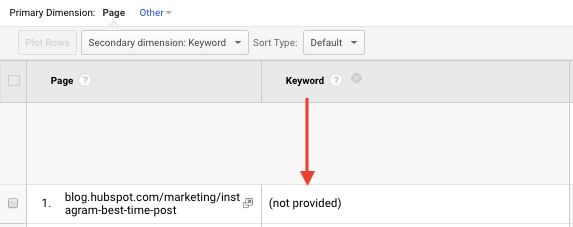
The first major update that changed this was Google's move to encrypted search and the dreaded appearance of "not provided" within Google Analytics. This means you can no longer find out which keywords are bringing in the organic traffic your website is receiving. The "not provided" tag looks a little something like this:

keyword-not-provided-google-analytics

This created a ripple effect across many SEO software providers that made a lot of their tools less effective -- or at least tougher -- to measure the impact coming from organic search on a granular level.

Google's next major change -- a more recent one -- was its decision to move search volume estimate within their Keyword Planner tool to show estimates in broad ranges. Instead of learning that a keyword was being searched for 1,400 times each month, we're told that it's searched between 1k-10k times per month. This isn't overly helpful when developing your content strategy.

These changes have forced marketers to adapt their search strategy to focus less on individual keywords and shift to a topic-centric content strategy, especially for content sitting at the top of their marketing funnel.

Keyword Rankings are Inaccurate

One of the major criticisms of keyword ranking data is the fact that it is largely inaccurate. Many industry leaders and even software providers of rank tracking data have admitted that this is the case.

The reasons behind this can be broken down into three broad buckets:

  1. Personalization.
  2. Device.
  3. Location.

Personalization

Around the time of the launch of Google+, the SEO industry was talking a lot about personalization within search. Even after the death of Google+, personalization has remained a big consideration.

Bonus points if you remember Authorship snippets (circa 2012).

Ultimately, Google will deliver results that are personalized to a user based on their search history. This means that if I were to search for a query like "electric cars" and I'd previously been browsing the Tesla website, it's a possibility that Google would tailor the rankings of the search results to show Tesla near the top.

This wouldn't be the case for someone that hasn't previously visited Tesla's website, which makes it very tough to determine which website actually ranks #1 (because it can be different from one person to the next).

Device and Location

Whilst personalization plays a part in the ambiguity of keyword rankings, it's nothing compared to the role of implicit query factors like device and location.

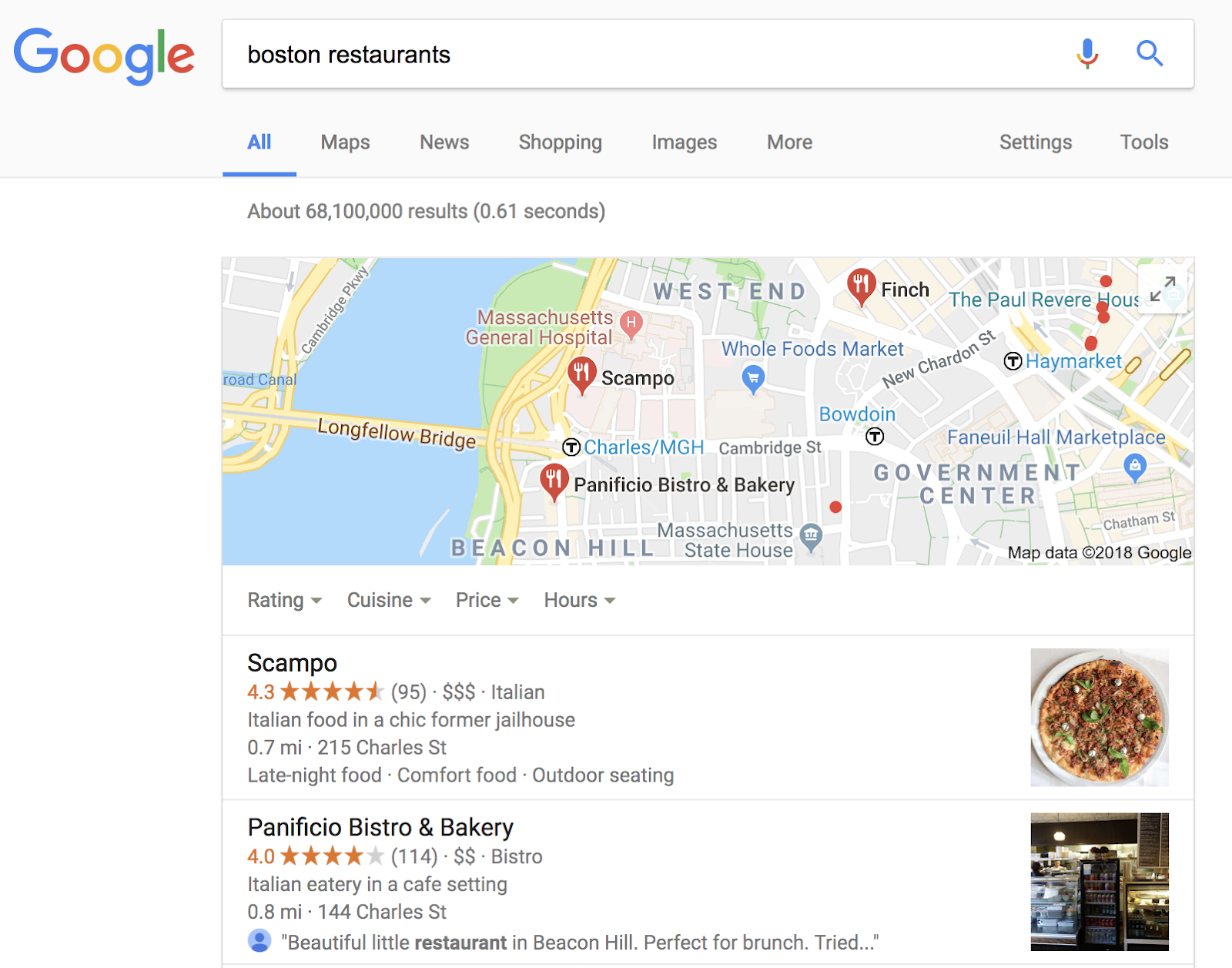
One of Google major advancements in search over the past five years has been its ability to take into account aspects of a search query that aren't explicitly stated. To make sense of what I've just said, let's take a query like, "Boston restaurants".

Go back to 2010 and a search for "Boston restaurants" would yield a list of relatively generic websites that either talk about Boston restaurants or maybe are a restaurant.

Fast-forward to 2018 and a simple search for "Boston restaurants" will arm Google with a whole lot more information than before. They're able to see which device you've searched from, where you're located whilst you're searching, even if you're currently on the move.

Let's say that you searched on an iPhone and you're walking around in the center of Boston at 11:30 am. Here's what this query would actually look like to Google:

"Which restaurants are currently open for lunch within walking distance of my current location in the center of Boston, MA?"

Google Maps results with location search for Boston restaurants

They've gathered all of this information without the individual even having to type it. As a result, they're able to completely tailor the search results to this individual searchers' current situation.

So … to answer the question of who ranks #1 for "Boston restaurants" becomes an even more challenging task.

Keyword Rankings are Directional at Best

Strong keyword rankings don't always equate to high volumes of organic traffic, let alone improvements in revenue. As I mentioned at the beginning, we've lost a lot of visibility on search volume metrics, which makes it very difficult to accurately estimate the amount of traffic you can gain from an individual keyword. Factor in the changing appearance of the search engine results page (e.g. the widespread increase in featured snippets) and it becomes an even more daunting task.

If keyword rankings are your North Star, you may be traveling in the completely wrong direction.

Here are three search features that can interfere with your keyword rankings while presenting you with opportunities to capture traffic from Google in new ways:

Featured Snippets

Featured snippets are the enhanced search results that appear at the very top of Google SERPs. They're a form of "rich snippet," a grouping of structured data that Google has collected from a webpage. And due to their size, they can take an extraordinary amount of traffic away from the the results beneath them.

google-featured-snippet

What makes featured snippet results so important? Publishers can earn them regardless of their Google rank. That's right, it is entirely possible for a site below position #1 on the SERP to win this top-dwelling space, making Google rank noticeably less important for topics that are vulnerable to them. Check it out below -- as you can see, the featured snippet is pulling in a result that technically ranks in position 3, allowing it to steal organic traffic from the results in positions 1 and 2.

Videos

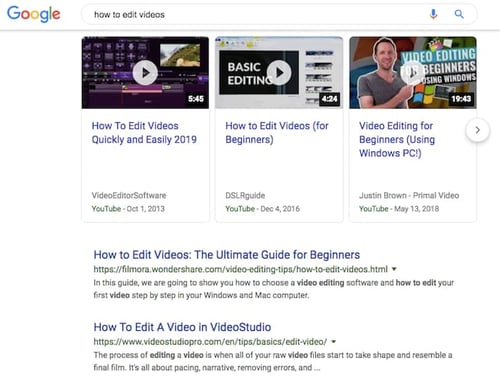
Video is playing an increasing part in content marketing strategies, and not for superficial reasons. Videos published to any platform, not just YouTube, are now ending up on SERPs where Google has determined the intent behind a search query is best served in this medium. 

google-video-carousel

These video results might take away traffic from publishers, but they also allow you to "rank" for keywords you might not have written content to target.

Image Packs

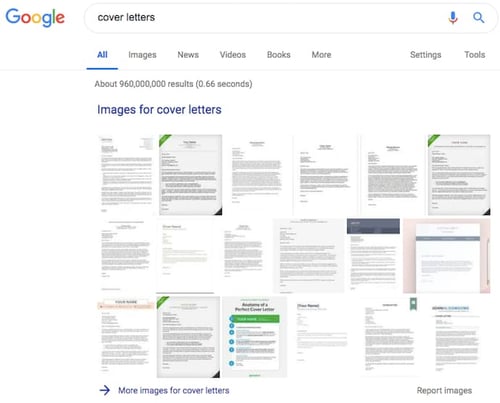
Image packs are large groupings of images that Google pulls into its SERPs from the Images tab in a Google search. As you can see below, they can be so large that they take up all the space "above the fold" of a SERP. This makes results ranking in position 1 for a particular keyword hard-pressed to capture organic traffic from that keyword unless they've published images dedicated to (and optimized for) this keyword.

google-image-packs

When all you're obsessing over is where each page is tracking against a ranking goal, you'll likely be misses a ton of other value that your content is bringing in. For example, what if you've built out some content with the primary goal of driving backlinks or social traffic, but it isn't necessarily designed to rank for much itself (e.g. a research report)? Using keyword rankings as a determining factor of success could evaluate content in a completely inaccurate way.

Measuring Performance at the Topic Cluster Level

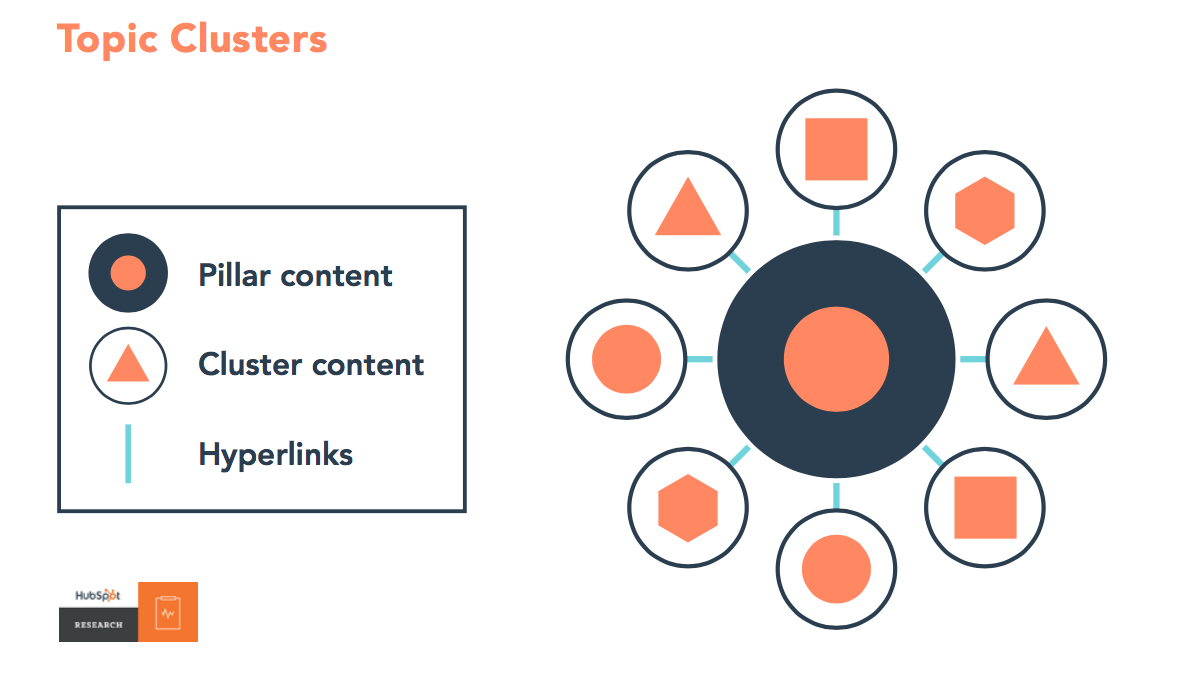
To combat a lot of the issues I raised above, we shifted the way that we measured content at HubSpot. For the past couple of years we've taken a step back from analyzing the performance of content on a page-by-page level and looked at the performance of content at the topic cluster level.

Organic search traffic and conversions are our primary search goals, so when we group our content into clusters to try and gain visibility for any searches related to a given topic, we look at the collective performance of these groups of webpages vs just the performance of individual pages.

This model of analysis helps us account for the varying goals of each individual piece of content. Also, running this analysis at scale tells us which topics tend to drive more traffic growth compared to others, and which topics tend to convert traffic at a higher rate.

This information tends to provide much clearer insights for the team as to what they should focus on next without obsessing over individual keyword rankings.

Is There Still a Place for Keyword Rankings?

Despite everything I've said above, I'm not actually saying that keyword rankings are dead (I can already see the tweets ready to be fired at me!). Keyword data can be useful for digging into any SEO problems that happen to your site, and also to look into the intent behind certain types of searches.

That said, the new version of Google Search Console that has just recently been rolled out should give you pretty much everything you need here.

More than anything, as a marketer you need to be aware that the data that you're looking at related to keywords is not 100% accurate. As a result, this should never be your primary performance metric.

Learn SEO in HubSpot Academy

http://bit.ly/2Cmqmna

The Best Time to Post on LinkedIn in 2019 [Cheat Sheet]

With all the walk-and-talk videos and anecdotal status updates flooding LinkedIn nowadays, the professional social networking site isn’t just a platform for connecting with your colleagues anymore -- it’s a place where companies can build a brand.

After Microsoft bought LinkedIn for $26.2 billion in 2016, LinkedIn released a new native video feature, a trending stories section, and a more robust analytics tool to help brands engage larger audiences for a longer amount of time. In fact, LinkedIn has 303 million monthly active users today, which is only 23 million users shy of Twitter’s monthly active user count.

Just like on every other social media network, attracting an engaged audience on LinkedIn requires you to craft compelling content. But if you don’t post your content at the right time, most of your followers will never see your updates. So how do you figure out the optimal post time for your specific audience?

The best way to determine your brand’s ideal post time on LinkedIn is by testing and uncovering the exact time and days your content generates the most engagement. However, if you don't have enough resources or time to conduct your own tests, Sprout Social, a social media management platform with over 25,000 customers, has you covered.

Last year, they analyzed their customer data to see what time and day their customers’ social media posts generated the most engagement. And after examining their aggregate engagement data on LinkedIn, Sprout Social pinpointed the days and times -- in Central Daylight Time (CDT) -- that could generate the most engagement on the platform for your brand:

During the time periods above, people are usually getting ready for work, just starting their day, taking an afternoon break, or going home, so it makes sense that engagement on LinkedIn is high then.

If you want to know the best days to post on LinkedIn, the data in the snippet above suggests that the best day to post on LinkedIn is Wednesday. Other days of high engagement are Tuesday and Thursday. On the flip side, Friday, Saturday, Sunday, and Monday are usually the days with the lowest engagement.

Most people use LinkedIn during the middle of the week because that’s when they’re the most productive. On the other hand, people usually don’t use LinkedIn on the weekends or on Mondays because they take a break from work on the weekends, and Mondays are, well, Mondays.

Timing Is Everything

If you post content to LinkedIn when the majority of your audience isn’t online, will you receive the amount of views and engagement you were hoping for? Probably not. So remember, if you want to build a brand on LinkedIn, it's crucial to find out when your specific audience prefers to surf the site. Because if you do, you'll nail the timing of your posts almost every single time you want to update your followers on the platform.  

http://bit.ly/2C86PJU

How to Buy High-Quality Twitter Followers Fast [Guide]

Nowadays, 75% of B2B businesses and 65% of B2C businesses use Twitter for marketing purposes -- which means Twitter outranks YouTube, Instagram, and Snapchat in terms of popularity among businesses.

Undoubtedly, the popularity of Twitter for business makes the platform a crowded place. And, ultimately, your success on Twitter is measured by follower size and audience engagement -- two metrics that can be difficult to achieve with so much content posted daily on the platform.

Of course, it's critical you create high-quality content for Twitter, but if that content isn't seen by the people you're trying to reach, then it's wasted effort.

So how can you grow your Twitter audience and ensure your content is seen by the right people?

Ultimately, when you're eager to gain followers and increase engagement, you might be tempted to take a shortcut and buy followers. However, it's a dangerous tactic and could actually decrease engagement and destroy your brand's reputation.

Here, we're going to explore how to buy Twitter followers, why it's a bad idea, and what you can do, instead.

Click here to access a free Twitter for Businesses kit.

How to Buy Twitter Followers Fast

If you want to buy Twitter followers, you might use one of the following services:

  1. CheapFollowersLikes.org -- Has multiple Twitter package options, including 100 Twitter followers for $15, or 2,500 followers for $50. The service promises worldwide followers, and a lifetime replacement guarantee.
  2. AudienceGain.com -- Provides the option to purchase Twitter followers, Twitter retweets, or Twitter auto-likes/retweets. Has multiple package options, including 100 followers for $20 or 1,000 followers for $120.
  3. GetAFollower.com -- Only enables you to purchase 100 followers per order, but for the incredibly low price of $3.

It's important to note, these services only provide you with fake Twitter followers -- the followers you purchase off these sites will never become real customers for your business. As much as you might think purchasing followers is a good decision, it ultimately won't result in any additional customers, so it's not a smart strategy.

Additionally, the fake followers you purchase from these sites won't engage with your tweets and can't retweet your content with their own audience. Which means that, ultimately, purchasing Twitter followers could backfire by decreasing your engagement numbers.

For instance, let's say you have 2,000 followers, but 1,000 of them are fake or inactive accounts. Then you post a Tweet, and it receives 200 retweets. That means only 10% of your total audience engaged with your tweet.

Alternatively, let's say you stick with your 1,000 real followers, and receive 200 retweets. That's 20% of your total audience -- a much more impressive number to Twitter's algorithm, and it's also a true sign of your content's worth.

Additionally, it's important to note, your business can get in trouble and risk getting suspended on Twitter if it violates rules by buying fake followers.

Having real followers is a much more worthwhile long-term investment than purchasing Twitter followers. Real followers enables you to properly measure your business's success on Twitter, and engage with potential customers.

However, this likely seems easier said than done -- how can you increase your organic reach and find these real followers?

Fortunately, there is a paid strategy you can implement to buy high-quality Twitter followers fast -- Twitter Followers Campaign. While not free, it's undoubtedly cheaper than most fake follower sites, and will offer a much greater ROI.

How to Increase Your Twitter Followers

If you want to invest money in your Twitter strategy, you might consider paying for a Twitter Ads campaign rather than buying followers.

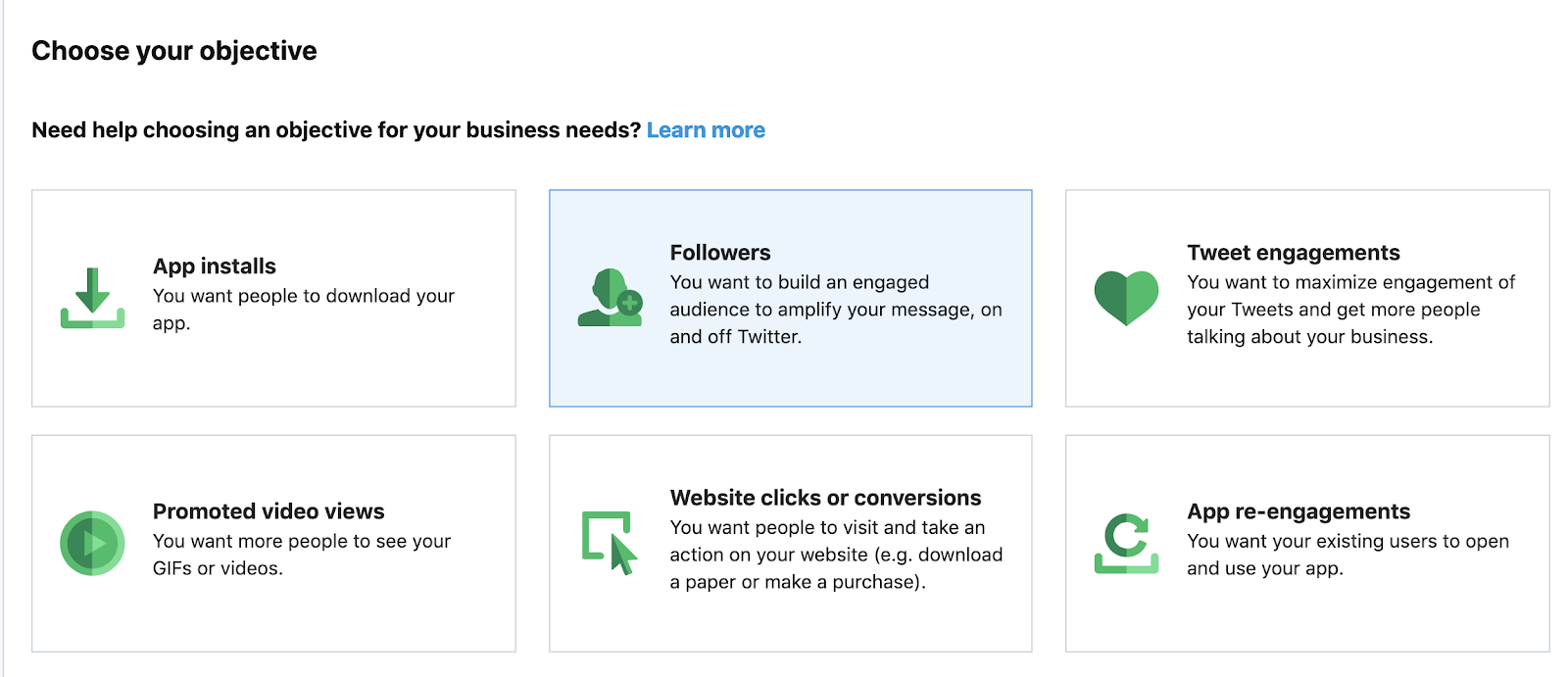
To create an Ads campaign, go to Twitter's Campaigns dashboard and click "Start a Campaign" in the top right. Then, click the "Go to Twitter Ads" CTA button.

You can specifically choose "Followers" as your Ad objective.

Next, fill out the necessary information, including Campaign title and how much money per day you want to invest. Then, click "Targeting" in the left navigation bar.

Here, you're able to choose a specific demographic. You can target an audience based on interests or followers, which enables you to reach people who are similar to other specific Twitter accounts. This allows your business to reach people who are similar to your existing Twitter audience, which will likely attract the right people to your profile.

Alternatively, you could use Tailored Audiences to target people on a predetermined Twitter list you've created. You might create a list based on people who've visited your website, or certain influential people in your industry.

Take a look at Twitter Ads Campaigns: A Simple Setup Guide to learn more.

Ultimately, you're not buying followers using Twitter Ads Campaign, but you are buying the opportunity to reach the right people -- real people.

This is undoubtedly a more successful strategy for your business.

Ultimately, Twitter isn't meant to be a popularity contest. The site is designed to encourage meaningful conversation and connection among users. If you can attract 100 high-quality followers who appreciate your business's content and eagerly share it with their own audiences, then you're doing much better than a company with 1,000 fake followers.

New Call-to-action

http://bit.ly/2Ut9rc8

How to Recruit Paid Social Influencers

Want to run a successful influencer marketing campaign? Wondering how to formalize your influencer marketing partnerships? In this article, you’ll discover how to find and contract with paid social influencers. #1: Choose the Right Social Network for Your Niche Before you start looking for individual influencers, think about the channels you want to use. As […]

The post How to Recruit Paid Social Influencers appeared first on Social Media Marketing | Social Media Examiner.

March 05, 2019 at 12:00PM http://bit.ly/2SJKAPC
read more...
from Social Media Marketing | Social Media Examiner http://bit.ly/2XDF2u0
via IFTTT