Monday, February 11, 2019

What Is Marketing? [FAQ]

Dictionary.com defines marketing as, "the action or business of promoting and selling products or services, including market research and advertising."

If you work in a marketing role like I do, it's probably difficult for you to define marketing even though you see and use it every day -- the term marketing is a bit all-encompassing and variable for a straightforward definition.

This definition feels unhelpful.

The selling part, for instance, overlaps a little too snuggly with a "what is sales" definition, and the word advertising makes me think of Mad Men brainstorming sessions.Discover a framework for running more impactful, measurable marketing campaigns.

But upon digging deeper, I began seeing that actually, marketing does overlap heavily with advertising and sales. Marketing is present in all stages of the business, beginning to end.

At first, I wondered why marketing was a necessary component during product development, or a sales pitch, or retail distribution. But it makes sense when you think about it -- marketers have the firmest finger on the pulse of your consumer persona. They research and analyze your consumers all the time, conducting focus groups, sending out surveys, studying online shopping habits, and asking one underlying question: "Where, when, and how does our consumer want to communicate with our business?"

Modern marketing began in the 1950s with the emergence of mediums beyond simply print and radio, allowing marketers to conduct entire campaigns across multiple platforms. And as you might expect, over the last 70 years, marketers have become increasingly important to fine-tuning how a business sells a product to consumers to optimize success.

Today, there are literally dozens of places one can carry out a marketing campaign -- what constitutes actual marketing in the 21st century?

Types of Marketing

Where your marketing campaigns live depends entirely on where your customers spend their time. It's up to you to conduct market research that determines which types of marketing -- and which mix of tools within each type -- is best for building your brand. Here are several types of marketing that are relevant today, some of which have stood the test of time:

  • Internet marketing: Having started with an Excedrin product campaign, the very idea of having a presence online for business reasons was a type of marketing in an of itself.
  • Search engine optimization: Abbreviated "SEO," this is the process of optimizing content on a website so that it appears in search engine results. It's used by marketers to attract people who perform searches that imply they're interested in learning about a particular industry.
  • Blog marketing: Blogs are no longer exclusive to the individual writer. Brands now publish blogs to write about their industry and nurture the interest of potential customers who browse the internet for information.
  • Social media marketing: Businesses can use Facebook, Instagram, Twitter, LinkedIn, and similar social networks to create impressions on their audience over time.
  • Print marketing: As newspapers and magazines get better at understanding who subscribes to their print material, businesses continue to sponsor articles, photography, and similar content in the publications their customers are reading.
  • Search engine marketing: This type of marketing is a bit different than SEO, which is described above. Businesses can now pay a search engine to place links on pages of its index that get high exposure to their ideal audience. (It's a concept called "pay-per-click" -- I'll show you an example of this in the next section).
  • Video marketing: While there were once just commercials, marketers now put money into creating and publishing all kinds of videos that entertain and educate their core customers.

Marketing and Advertising

If marketing is a wheel, advertising is one spoke of that wheel.

Marketing entails product development, market research, product distribution, sales strategy, public relations, and customer support. Marketing is necessary in all stages of a business's selling journey, and it can use numerous platforms, social media channels, and teams within their organization to identify their audience, communicate to it, amplify its voice, and build brand loyalty over time.

On the other hand, advertising is just one component of marketing. It's a strategic effort, usually paid for, to spread awareness of a product or service as a part of the more holistic goals outlined above. Put simply, it's not the only method used by marketers to sell a product.

Here's an example (keep reading, there's a quiz at the end of it) ...

Let's say a business is rolling out a brand new product and wants to create a campaign promoting that product to its customer base. This company's channels of choice are Facebook, Instagram, Google, and its company website. It uses all of these spaces to support its various campaigns every quarter and generate leads through those campaigns.

To broadcast its new product launch, it publishes a downloadable product guide to its website, posts a video to Instagram demonstrating its new product, and invests in a series of sponsored search results on Google directing traffic to a new product page on its website.

Now, which of the above decisions were marketing, and which were advertising?

...

The advertising took place on Instagram and, specifically, Google. Instagram generally isn't an advertising channel, but when used for branding, you can develop a base of followers that's primed for a gentle product announcement every now and again. Google was definitely used for advertising in this example; the company paid for space on Google -- a program known as pay-per-click (PPC) -- on which to drive traffic to a specific page focused on its product. A classic online ad.

Where did the marketing take place? This was a bit of a trick question, as the marketing was the entire process. Aligning Instagram, Google, and its own website around a shared campaign -- one designed to generate traffic, leads, and ultimately customers -- was a three-part marketing campaign that identified its audience, created a message for that audience, and delivered it across the industry to maximize its impact. 

The 4 Ps of Marketing

In the 1960's, E Jerome McCarthy came up with the 4 Ps of marketing: product, price, place, promotion.

Essentially, these 4 Ps explain how marketing interacts with each stage of the business.

Product

Let's say you come up with an idea for a product you want your business to sell. What's next? You probably won't be successful if you just start selling it.

Instead, you need your marketing team to do market research and answer some critical questions: Who's your target audience? Is there market fit for this product? What messaging will increase product sales, and on which platforms? How should your product developers modify the product to increase likelihood of success? What do focus groups think of the product, and what questions or hesitations do they have?

Marketers use the answers to these questions to help businesses understand the demand for the product and increase product quality by mentioning concerns stemming from focus group or survey participants.

Price

Your marketing team will check out competitors' product prices, or use focus groups and surveys, to estimate how much your ideal customer is willing to pay. Price it too high, and you'll lose out on a solid customer base. Price it too low, and you might lose more money than you gain. Fortunately, marketers can use industry research and consumer analysis to gauge a good price range.

Place

It's critical that your marketing department uses their understanding and analysis of your business's consumers to offer suggestions for how and where to sell your product. Perhaps they believe an ecommerce site works better than a retail location, or vice versa. Or, maybe they can offer insights into which locations would be most viable to sell your product, either nationally and internationally.

Promotion

This P is likely the one you expected from the get-go: promotion entails any online or print advertisement, event, or discount your marketing team creates to increase awareness and interest in your product, and, ultimately, lead to more sales. During this stage, you'll likely see methods like public relations campaigns, advertisements, or social media promotions.

Hopefully, our definition and the four Ps help you understand marketing's purpose and how to define it. Marketing intersects with all areas of a business, so it's important you understand how to use marketing to increase your business's efficiency and success.
New Call-to-action

http://bit.ly/2LQJ9N9

7 of the Most Creative Interactive Videos We've Ever Seen

Choose your own adventure stories aren’t just limited to the form of books anymore. In December 2018, Netflix’s Black Mirror released Bandersnatch, an interactive film about a young programmer named Stefan who adapts his favorite choose your own adventure novel into a video game for a major gaming company.

However, as his deadline looms and the pressure to perfect his game mounts, Stefan starts to question his own reality, growing increasingly paranoid that he’s actually a character in a choose your own adventure story. Throughout the film, you must make every one of Stefan’s major decisions, and each of your choices alter the narrative he experiences, which has five endings and over one trillion story combinations.

Netflix’s experimentation into interactive content piqued a massive amount of interest and generated just as much buzz. But the film industry isn’t the first to dabble in interactive content. Marketing blazed that trail, and there are brands who have created interactive videos that are arguably just as entertaining as Bandersnatch.

Below, we’ve curated a list of the seven most creative interactive videos we’ve ever seen. Read on to get some inspiration for your own interactive video in 2019.

7 of the Most Creative Interactive Videos We’ve Ever Seen

1. Major Lazer | Know No Better Interactive Music Video

Watch video here.

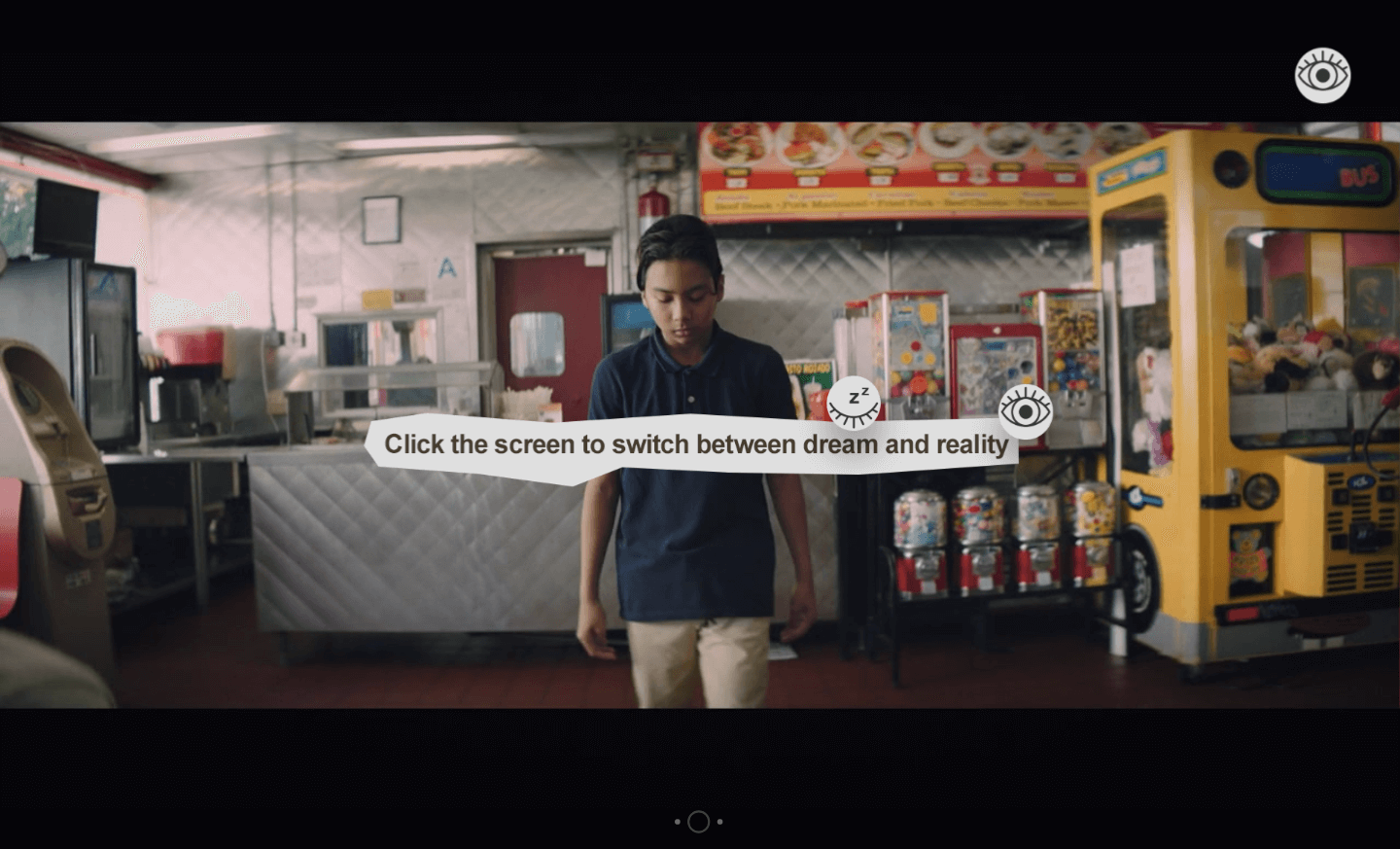
Everyone has a dream that they fantasize about from time to time, but what would it take for us to actually pursue this dream and turn it into a reality? Well, Major Lazer’s interactive music video for their song "Know No Better" could be your spark of inspiration.

As the video plays, you can leap from a young boy’s dream of being a famous dancer who dates his dream girl to his stark reality where he’s a shy loser who feels frustrated with his actual life.

Towards the end of the video, however, these contrasting narratives start to converge, and you witness him muster enough courage to dance with his dream girl in reality, rather than only in his dream.

2. Eko | That Moment When

Watch video here.

There are quite a few brands creating films in the interactive space, but most aren’t creating original shows like Eko does, which has produced five original interactive shows, ranging from animated comedies to technological thrillers.

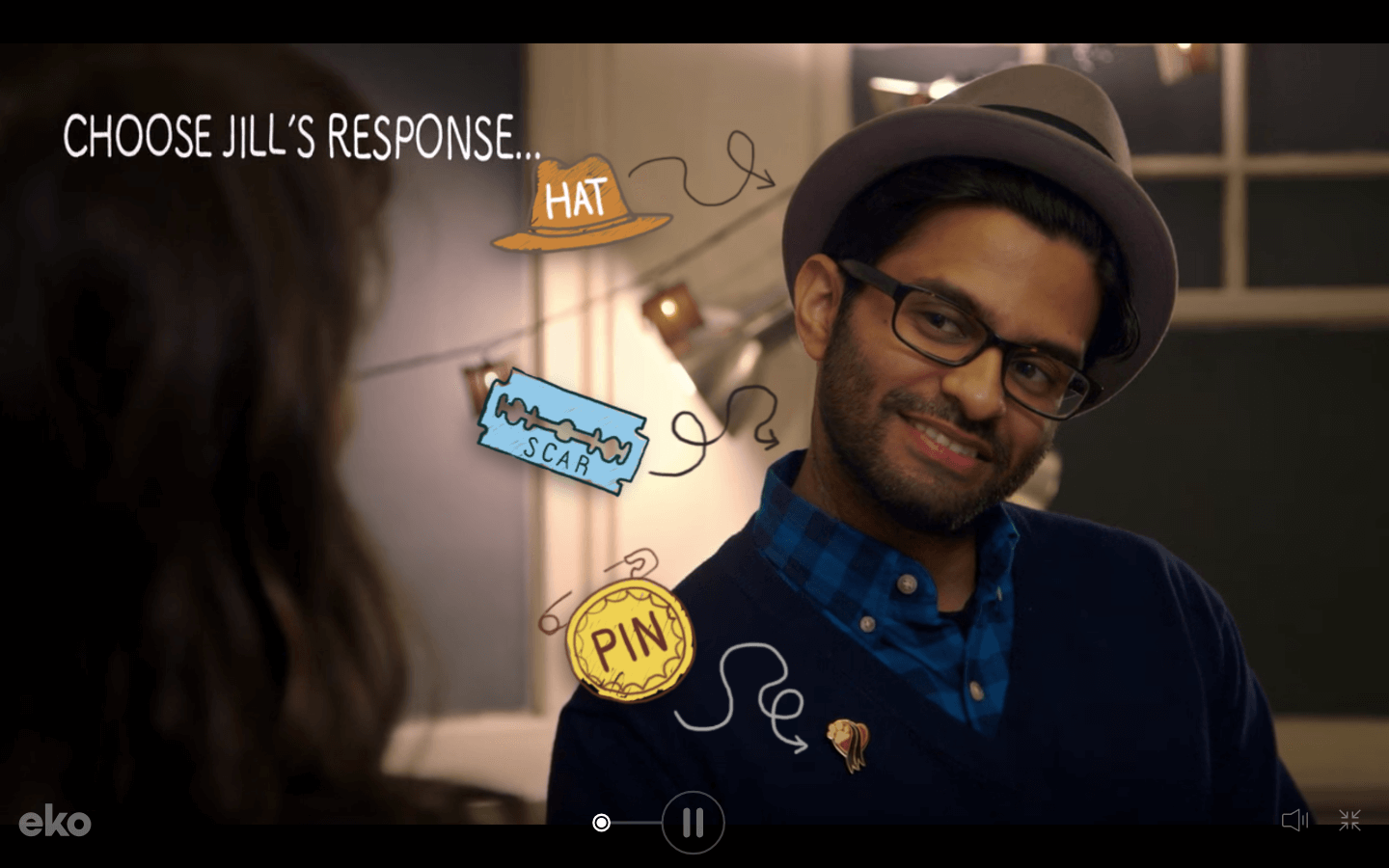
One of their best interactive shows is a hilarious series called That Moment When, which is about a woman named Jill who encounters awkward moments at the beginning of each episode, and your job is to help her maneuver them as gracefully as possible.

If you interact with the video above, you’re tasked with helping Jill navigate the awkward situation of vaguely remembering a guy who totally knows her. As you struggle through this cringeworthy interaction, you have to predict certain traits about the guy, and if you guess correctly, you earn points that buy you letters of his name, like Jeopardy, and they ultimately help you remember it at the end of the episode.

That Moment When is as funny as it is engaging, and by weaving a relatable and hilarious theme through this interactive show, Eko can entice viewers to watch the entire series, just like a great Netflix show.

3. Aardman Animations | Dead Lonely (A Zombie Romance)

Watch video here.

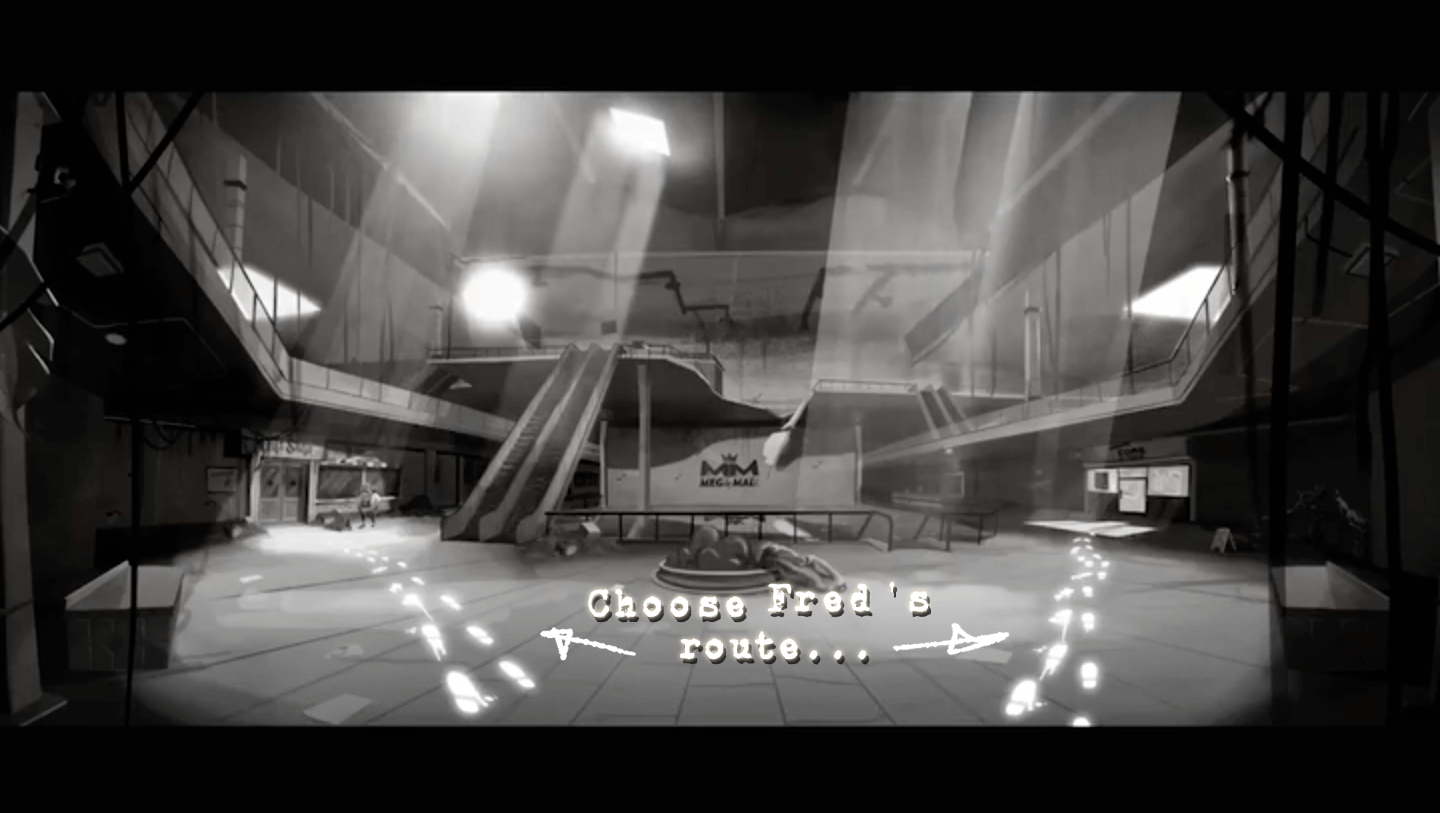
Aardman Animations, a four-time Oscar winning production studio, collaborated with Rapt Media, a company that offers interactive video solutions, to create this charming interactive film that lets you help a zombie, Fred, find his long-lost love, Barbara, in a post-apocalyptic world where the living dead lead surprisingly normal lives.

Even though Dead Lonely seems like an innocent tale, it can be more grisly than Bandersnatch at times. But once you reunite Fred with Barbara, all the trials and tribulations you struggled through all seem to be worth it.

4. Bob Dylan | Like a Rolling Stone Interactive Music Video

Watch video here.

To promote the release of Bob Dylan’s CD Box set that included all 41 of his official albums in 2013, Sony Music teamed up with Eko, who is mentioned above, to make a creatively and unexpectedly refreshing interactive music video for “Like a Rolling Stone”, one of Bob Dylan’s most iconic songs.

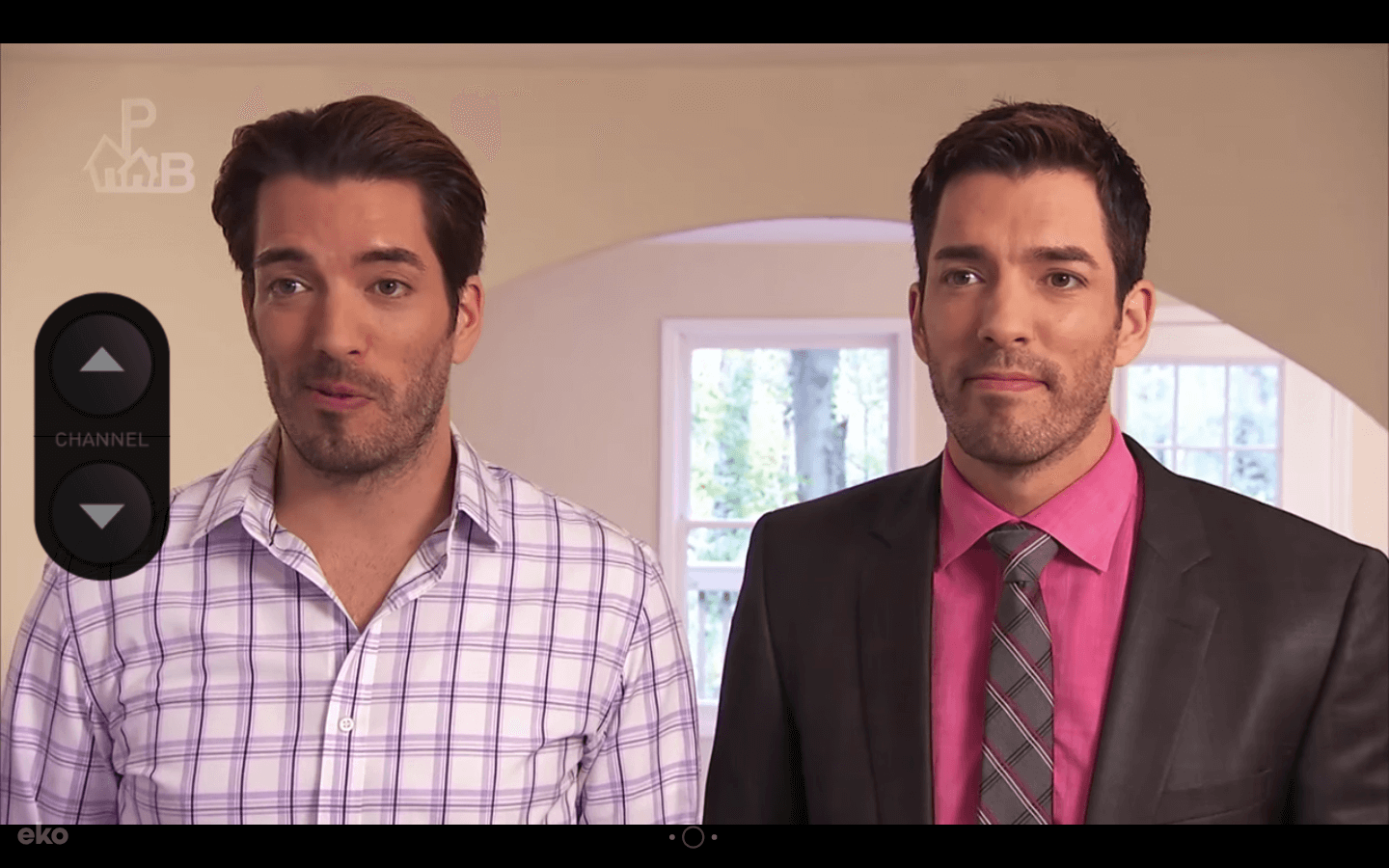
Sony's interactive music video lets you flip through 16 channels, ranging from shopping, history, movies, reality TV, news, cooking, fashion, sports, and game shows. Each channel features different characters lip synching “Like a Rolling Stone”.

Sony also included some big TV personalities in this video, like Drew Carey from The Price is Right, Steve Levy from SportsCenter, and Jonathan and Drew Scott from Property Brothers, making this experience even more pleasantly surprising and hilarious.

5. BBC Scotland

In 2019, Rough Guides, a renowned travel guidebook, named Scotland the most beautiful country in the world. And a big reason why it’s such a spectacle is because Glen Coe, a Scottish valley that cuts through the ruins of an ancient super-volcano, is one of the most striking landscapes in the world.

BBC Scotland’s immersive, 360 degree video of Glen Coe grips viewers because they’re able to experience the landscape from an intimate point of view at every possible angle, which makes them feel like they’re actually there.

6. Disney | The Jungle Book Interactive Video

With the help of Wirewax, a company that offers interactive video technology and creative solutions, Disney decided to give their fans an inside look at how the live-action version of The Jungle Book was made.

Fans can move a slider to see how Disney actually filmed the movie, and they can also click on each character’s hotspot, which opens up a profile that gives a brief description of the character. By doing this, Disney is able to reveal how they produced one of the most compelling stories ever told, helping the media giant forge an even closer bond with their fans.

7. Coldplay | Ink Interactive Music Video

Watch video here.

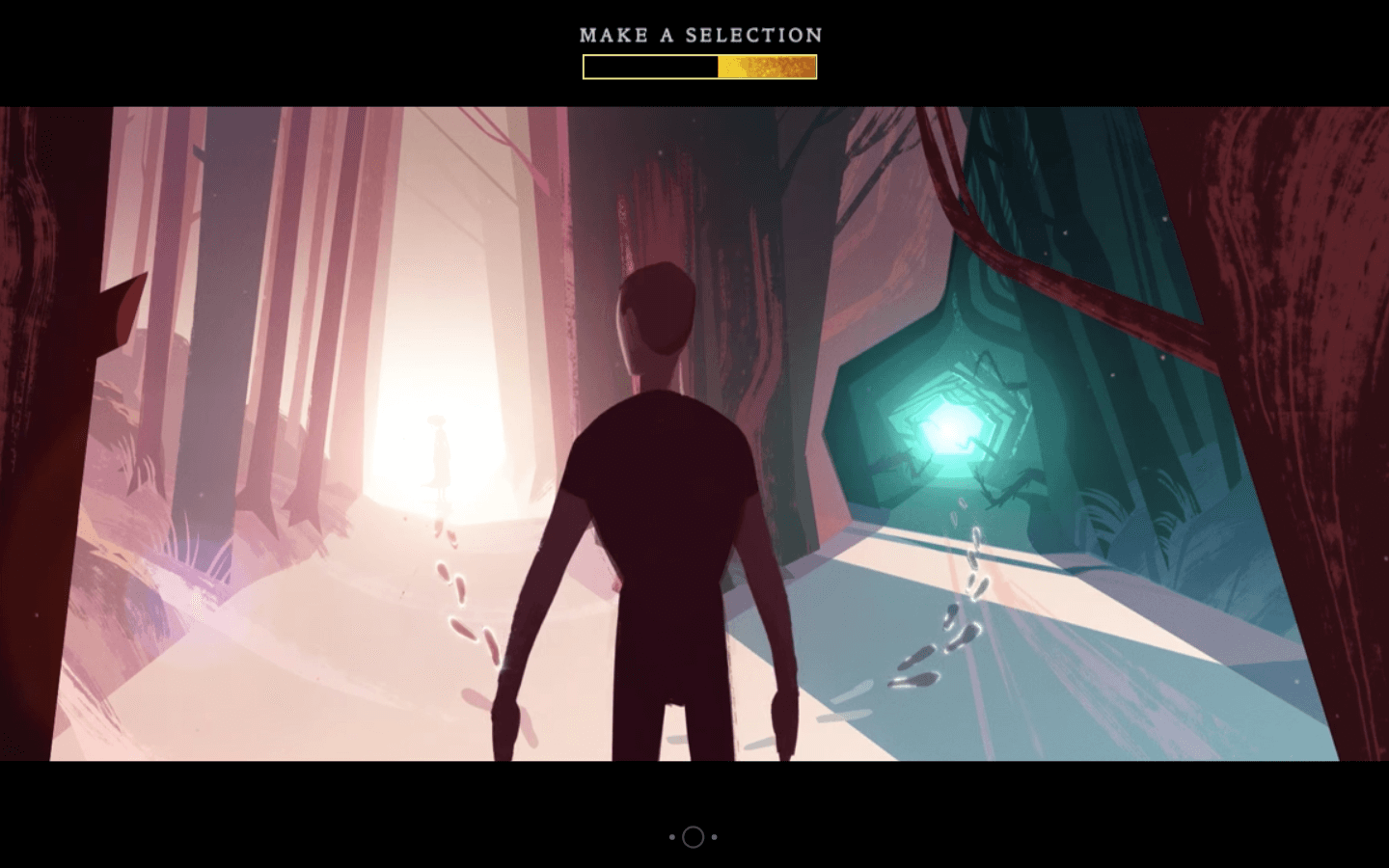
Coldplay’s interactive music video for their song "Ink" absorbs you in an adventurous yet forlorn journey of a man searching for his lost love. By making most of his crucial decisions for him, you’re tasked with helping him find her.

As you embark on the quest to find this man’s significant other, you’re led through beautiful environments, such as an evergreen forest, a bustling city, a serene ocean, and even the cosmos. And with more than 300 storylines in this video, you can either help the man reunite with his lover or come to grips with losing her forever.

http://bit.ly/2I4Po2k

27 Quotes About Design to Get Your Creativity Flowing

Inspiration can often seem illusive and out-of-reach when you need it most.

Unfortunately, you often can't call it a day when you're feeling uninspired or frustrated by your designs -- or lack thereof. Oftentimes, you're working on a strict deadline, keeping you up late into the night thinking, How can I make this design great?

When this is the case, it's likely helpful to read some wisdom from some true masters of design. Here, we've cultivated a list of 27 inspiring and thought-provoking quotes that will undoubtedly get your creative juices flowing.

Keep reading, and remember, it's like Maya Angelou said -- "You can't use up creativity. The more you use, the more you have."

Access 195+ Marketing Design Templates

27 Quotes About Design to Get Your Creativity Flowing

1. "Have no fear of perfection -- you’ll never reach it." -- Salvador Dali, artist


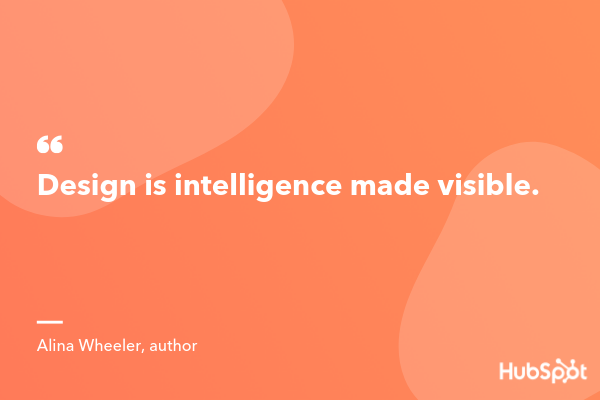
2. "Design is intelligence made visible." -- Alina Wheeler, author

alina-wheeler-design-quote
3. "Everything is designed. Few things are designed well." -- Brian Reed, front-end developer and musician


4. "You can't use up creativity. The more you use, the more you have." -- Maya Angelou, author, poet, civil rights activist


5. "Design adds value faster than it adds costs." -- Joel Spolsky, web programmer, writer, and creator of Trello


6. "The public is more familiar with bad design than good design. It is, in effect, conditioned to prefer bad design, because that is what it lives with. The new becomes threatening, the old reassuring." -- Paul Rand, graphic designer


7. "Designers are meant to be loved, not to be understood." -- Margaret Oscar, designer


8. "Make it simple, but significant." -- Don Draper, fictional character on Mad Men


9. "Don’t bunt. Aim out of the ballpark. Aim for the company of immortals." -- David Ogilvy, advertising tycoon, known as the "Father of Advertising"


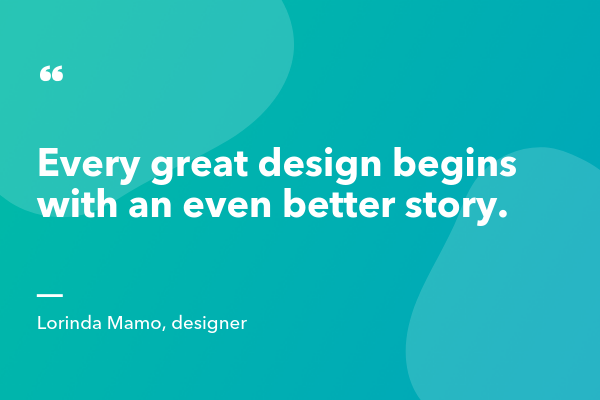
10. "Every great design begins with an even better story." -- Lorinda Mamo, designer

lorinda-mamo-design-quote
11. "Design creates culture. Culture shapes values. Values determine the future." -- Robert L. Peters, designer and author


12. "The function of design is letting design function." -- Micha Commeren, designer


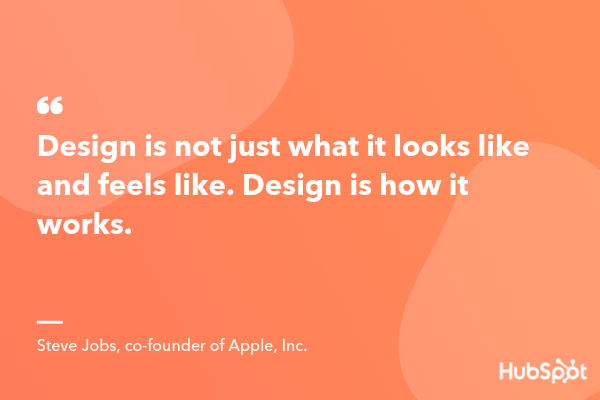
13. "Design is not just what it looks like and feels like. Design is how it works." -- Steve Jobs, co-founder of Apple, Inc.

steve-jobs-design-quote

14. "The more I deal with the work as something that is my own, as something that is personal, the more successful it is." -- Marian Bantjes, designer and author


15. "Design is not a single object or dimension. Design is messy and complex." -- Natasha Jen, designer and educator


16. "Design is the intermediary between information and understanding." -- Hans Hoffman, artist and teacher


17. "A designer knows he has achieved perfection not when there is nothing left to add, but when there is nothing left to take away." -- Antoine de Saint-Exupéry, French writer and poet


18. "Design is a formal response to a strategic question." -- Mariona Lopez, business owner


19. "Styles come and go. Good design is a language, not a style." -- Massimo Vignelli, Italian designer

massimo-design-quote
20. "The alternative to good design is always bad design. There is no such thing as no design." -- Adam Judge, author


21. "Design can be art. Design can be aesthetics. Design is so simple, that's why it is so complicated." -- Paul Rand, graphic designer


22. "It's through mistakes that you actually can grow. You have to get bad in order to get good." -- Paula Scher, graphic designer and painter


23. "Good design is good business." -- Thomas Watson Jr., businessman, second president of IBM


24. "Accessible design is good design." -- Steve Ballmer, American businessman and former CEO of Microsoft


25. "Where you innovate, how you innovate, and what you innovate are design problems." -- Tim Brown, CEO and president of IDEO

tim-brown-design-quote

26. "I strive for two things in design: simplicity and clarity. Great design is born of those two things." -- Lindo Leader, graphic designer and creator of the FedEx logo


27. "Design is as much an act of spacing as an act of marking." -- Ellen Lupton, designer and educator

Try the HubSpot Website Add-on

http://bit.ly/2Gk96Fu

3 Ways to Improve Instagram Engagement

Is Instagram marketing a priority for you? Wondering what types of organic Instagram posts people engage with most? In this article, you’ll discover how you can generate more organic engagement on Instagram. Instagram Marketing Changes to Watch For In 2018, eMarketer estimated that 31.8% of the U.S. population uses Instagram. That’s a lot of potential fans […]

The post 3 Ways to Improve Instagram Engagement appeared first on Social Media Marketing | Social Media Examiner.

February 11, 2019 at 12:00PM http://bit.ly/2UUjV4p
read more...
from Social Media Marketing | Social Media Examiner http://bit.ly/2tpdPgN
via IFTTT

Saturday, February 9, 2019

YouTube Growth: Audience and Subscriber Numbers Are Rising

Welcome to this week’s edition of the Social Media Marketing Talk Show, a news show for marketers who want to stay on the leading edge of social media. On this week’s Social Media Marketing Talk Show, we explore YouTube audience and subscriber growth and Periscope live streaming with guests with special guest Luria Petrucci. Watch […]

The post YouTube Growth: Audience and Subscriber Numbers Are Rising appeared first on Social Media Marketing | Social Media Examiner.

February 09, 2019 at 12:00PM http://bit.ly/2SkvTYg
read more...
from Social Media Marketing | Social Media Examiner http://bit.ly/2DpqTXL
via IFTTT

Friday, February 8, 2019

The Ultimate Guide to Crowdsourcing

When Charlie Jabaley, co-founder of the artist management and marketing firm Street Execs, released one of his first client t-shirt designs, the euphoric high he felt in the morning plummeted to a heartbreaking low by night.

He had only sold a total of eight t-shirts.

With famous clients like 2 Chains and Travis Porter, Jabaley’s pressure to succeed was already stifling. But this failed merchandising campaign had just jacked it up to suffocating. Instead of freaking out and sulking about his woes, though, Jabaley took a step back and breathed in some well-needed fresh air.

He decided to frame this embarrassing flop as an opportunity to learn. And after some deep reflection and analysis, he dug up a silver lining that would eventually lead to a multi-million dollar model for merchandise design.

The silver lining Jabaley plucked from the shambles of his failed campaign was realizing he needed to focus on his customers more. More specifically, he needed to understand their’ true preferences. So rather than following the standard formula of merchandising -- which was designing products based off a whim, buying hoards of inventory, and then marketing them -- he broke conventional thinking by reverse-engineering the process.

Before he bought inventory, Jabaley would post merchandise designs on Instagram and use follower behavior and feedback to help him scrap unpopular designs and turn popular designs into merchandise.

By following his new method, Jabaley knew exactly what his customers wanted and what they were willing to buy, allowing him to solely focus on creating products that had proven demand, avoid wasting precious cash on unwanted inventory, and unload a huge amount of risk off the merchandising process.

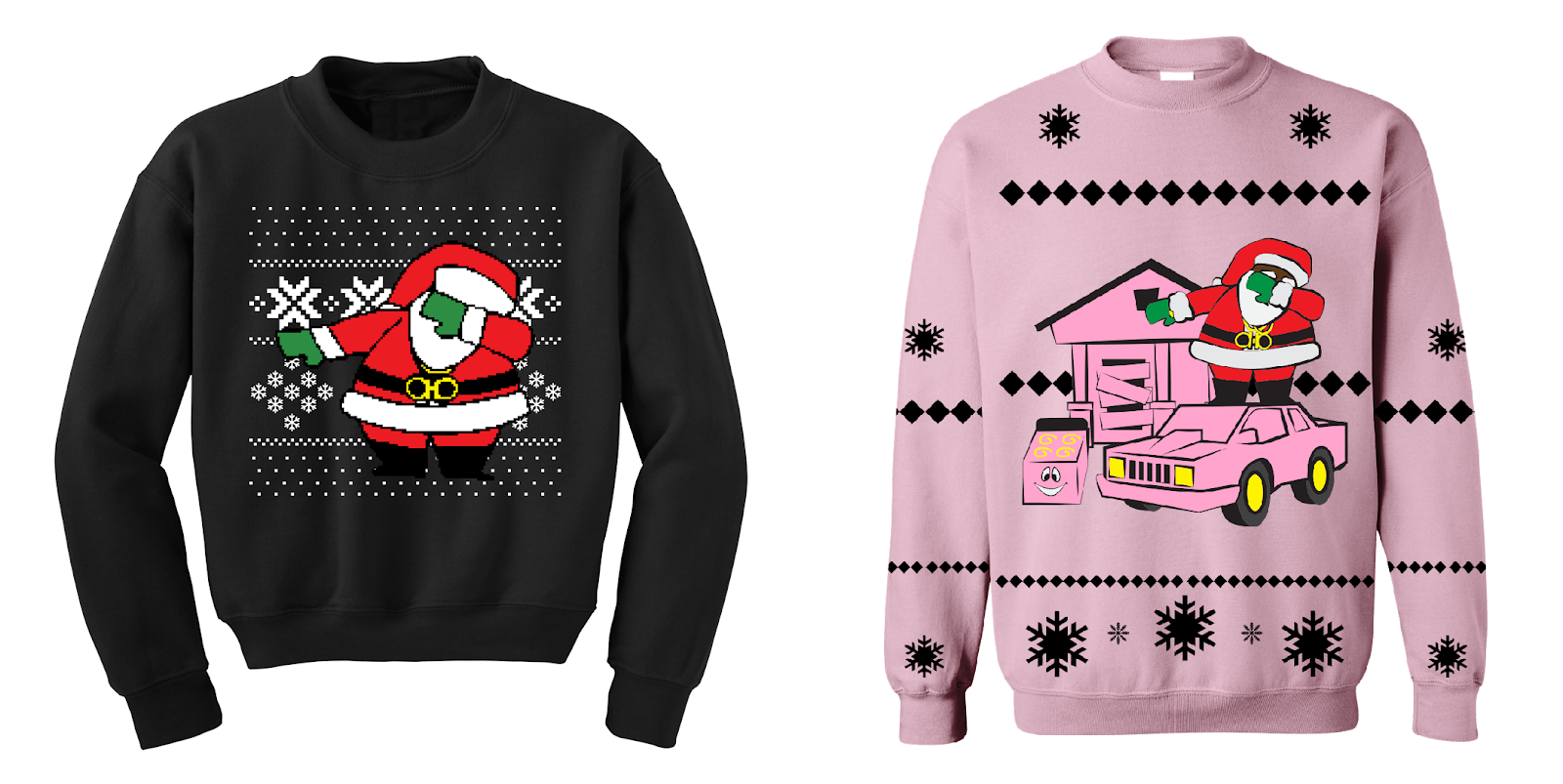
Eventually, Jabaley’s method for determining which merchandise designs would sell, and which would not, helped him produce his first merchandising hit -- a Dabbing Santa sweater that generated $2.1 million in only 30 days.

Image Credit: Shopify Plus

Charlie Jabaley isn’t the first person to inform his product design using the public’s opinion, though. It’s actually a method that iconic brands like Budweiser, Pepsi, and Oreo have leveraged for years -- a method called crowdsourcing.

What is crowdsourcing?

When businesses crowdsource, they ask the public for ideas, information, and opinions to help them craft better products and services. By crowdsourcing, companies can tap into a huge group of people’s expertise and skill sets, ensuring diversity of thought, expedited production, and cost-cutting, since they don’t need to hire new, in-house employees.

Companies who crowdsource usually break massive projects into individual tasks, which allows them to assign hundreds or thousands of people small jobs that they can work on by themselves.

Companies can also crowdsource on social media to gauge people’s opinion on their new product releases or updates. Additionally, companies can run contests to see who can create the best marketing material for them -- like a logo, jingle, or commercial.

To help you fully grasp the concept of crowdsourcing, here are some concrete examples of the practice in action.

Crowdsourcing Examples

1. Waze

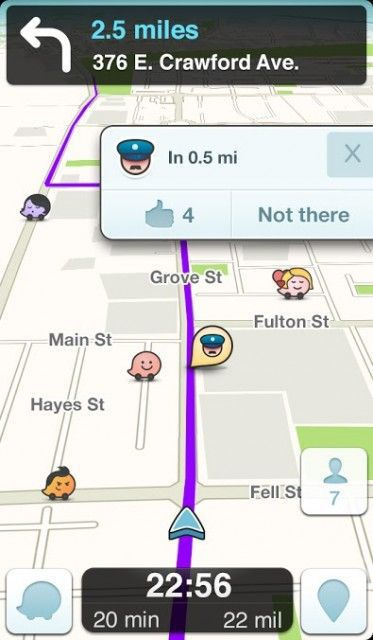
 Image Credit: Mashable

Waze is a community-based GPS traffic and navigation app. Their users, which has grown to over 90 million around the globe, report real-time traffic and road information, like police traps, accidents, road hazards, traffic jams, and the cheapest gas stations near your route. All of this crowdsourced information allows users to help each other reach their destinations promptly and safely.

2. Unsplash

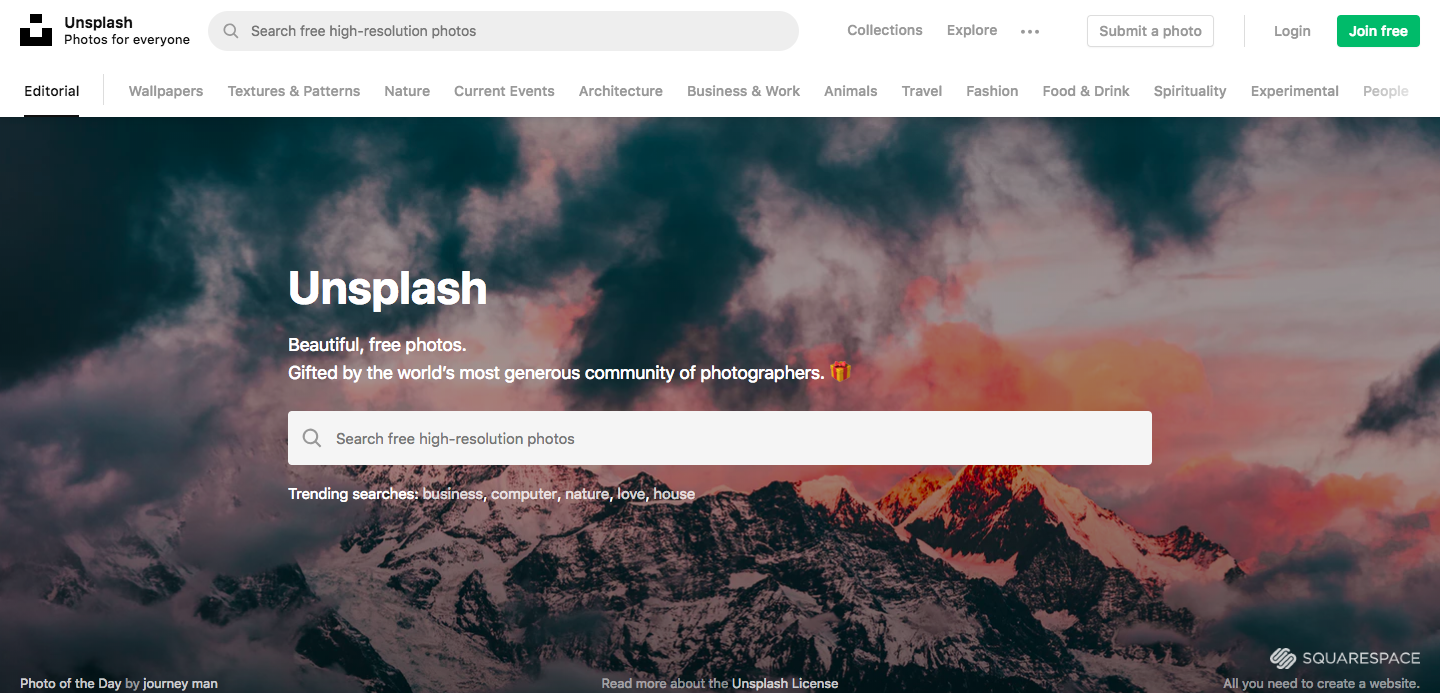
What started out as Mikael Cho’s fun side project on Tumblr, taking half a day and $19 to create, eventually turned into his flailing startup’s top referral source and became its own standalone company -- Unsplash.

Unsplash experienced hockey-stick growth because their service offered the ultimate remedy for a huge pain point in the content marketing space -- free, unlicensed stock photos. And by using their initial boom in buzz and traffic to convince photographers to contribute free photos to their library as a way to market their art, Unsplash has successfully fostered a community of over 110,000 photographers, built a library of over 850,000 photos, and generates more than nine billion photo impressions per month.

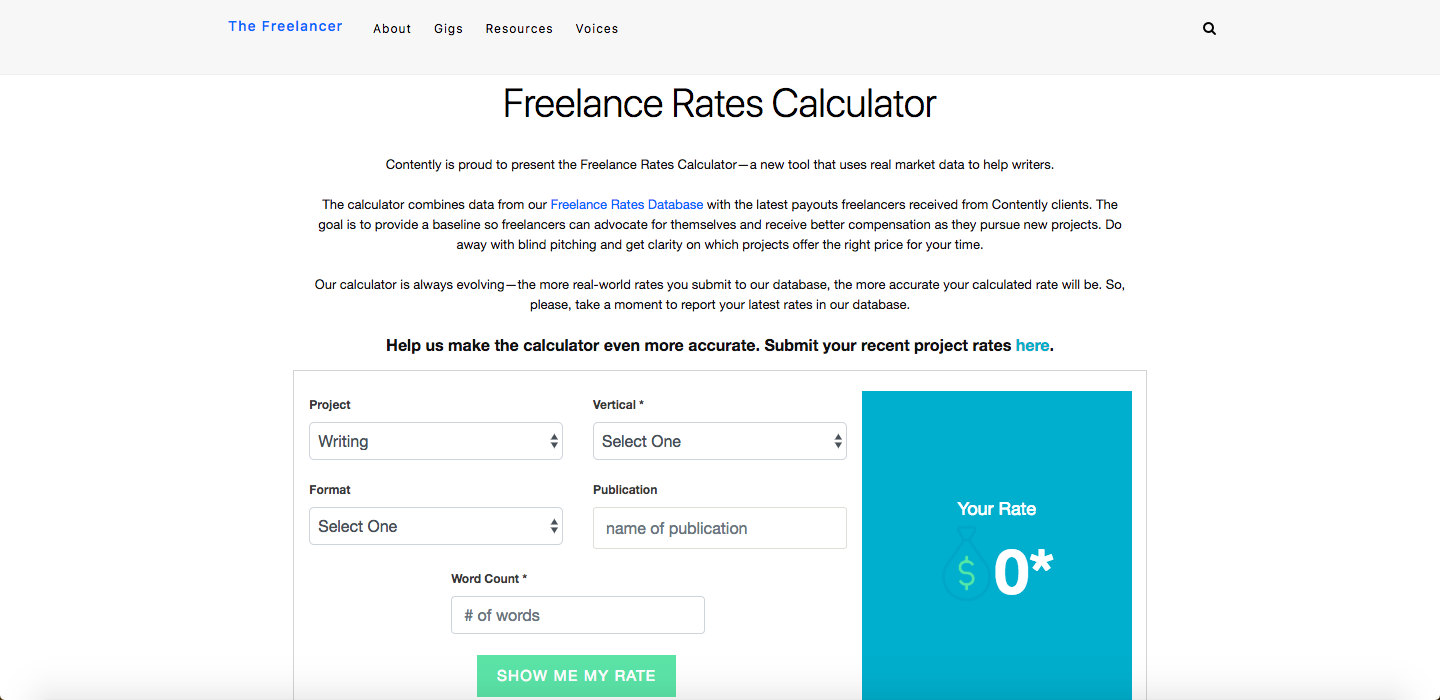
3. Contently’s Freelance Rates Calculator

 Contently, a content creation platform that also connects brands with freelance talent, built a freelance rates calculator to provide more transparency across the industry and help freelancers better negotiate their rates.

By combining their public freelance rates database, where freelancers anonymously submit the rate they received from various companies, with their platform’s own internal data, Contently has crowdsourced precious information from freelancers in order to help the entire freelance community earn a fair rate in the future.

4. Doritos’ Crash the Super Bowl

 "Time Machine" is arguably one of Doritos most memorable commercials, but you might be surprised that it had a budget of $300 and only took six hours to make. Well, that’s because it was created by an aspiring filmmaker who entered the spot into Doritos’ annual Crash the Super Bowl contest in 2014, and won the whole thing.

Frito-Lay, Dorito’s conglomerate, ran Crash the Super Bowl every year from 2007 through 2016, awarding the winner with a huge cash prize and an airing of their commercial during the Super Bowl. And by offering such a can’t-miss opportunity, which allowed them to tap into tens of thousands of people’s creativity, Doritos could associate some of the most unforgettable Super Bowl ads with their brand.

If you’re a freelancer looking for work or a brand looking for talent, check out the following crowdsourcing sites.

1. Fiverr

Fiverr is a freelance service marketplace that empowers freelancers. Instead of being a platform where freelancers search for jobs posted by brands, Fiverr is a place where brands search for freelancers with the expertise and skills for which they’re looking. Most freelancers on Fiverr offer skills and expertise in graphic design, digital marketing, writing & translation, video & animation, music & audio, programming & tech, business, and lifestyle.

2. Upwork

Similar to Fiverr, Upwork is a freelance service marketplace where freelancers create profiles, and then brands can hire them for short-term tasks, recurring projects, or full-time contract work. Most freelancers have skills and expertise in web development, mobile development, design, writing, administrative work, customer service, sales, marketing, accounting, and consulting.

3. CrowdSource

Trusted by brands like Target, Coca-Cola, and Major League Baseball, CrowdSource has trained, tested, and qualified a community of over 200,000 freelancers who can provide copywriting, content moderation, data entry, and transcription expertise and skills. Brands can also search for freelancers by the agency, marketing, publishing, retail, and service provider industries.

4. Contently

Contently is a content creation software that connects enterprise brands with freelance talent, so they’re constantly on the lookout for freelancers who can fulfill their clients’ needs, as well as their own.

If you’re a freelance creative looking for gigs with some big brands, you can register as a freelancer on Contently’s platform and create a free portfolio. You’ll need to get approved and complete their training before you can work with any of their clients, but once you do that, you’ll be apart of their freelance network.

If you’re a brand looking for freelancers to help you craft original stories, check out Contently’s platform here.

5. Skyword

Similar to Contently, Skyword is a content creation software that also connects enterprise brands with freelance talent. If you’re a videographer, writer, photographer, or designer, you can create a portfolio that Skyword’s clients will have direct access to.

If you’re a brand looking for freelance talent, check out Skyword’s platform here.

Crowdsourcing Jobs

If you’re interested in working a crowdsourced job, check out the following gigs you could find in each of the job categories below.

Marketing

Writing

Videography

Design

Photography

Animation

Web development

Mobile development

Editing Jobs

Copy editing

Content evaluation

Content moderation

Proofreading

Administrative

Virtual assitant

Customer service

Usability testing

Audio transcription

Social media post categorization

Image and video processing

Image categorization

Data Jobs

Data entry

Data research

Data categorization

Data processing

Data verification and clean up

Research Jobs

Information gathering

Price checking

Product display checking

Business location verification

Web research

Google searching

Odd Jobs

Making deliveries

Cleaning

Dog walking

Survey taking

http://bit.ly/2Dhtsv3

The 4-Minute Guide to How Biweekly Pay Works

One of the first concerns your new business is likely to face is pay period -- should you pay your employees weekly? Biweekly? Monthly?

Of course, you'll want to take into consideration both the needs of your employees, and your HR payroll administrators. In other words, what is the easiest system for your HR team to process, and what will make most of your employees happiest?

Biweekly is a good option to consider, and it's also the most popular option in the U.S. -- the U.S. Bureau of Labor Statistics reports 36.5% of private businesses have decided to use biweekly pay as their pay system of choice.

Click here to unlock a free guide and template designed to help you create a company culture code. 

If you're wondering which pay period option is best to implement at your company -- or if you're just curious what biweekly pay entails -- keep reading.

What Is Biweekly Pay?

Biweekly pay means you pay your employees once every two weeks, on a set day you choose.

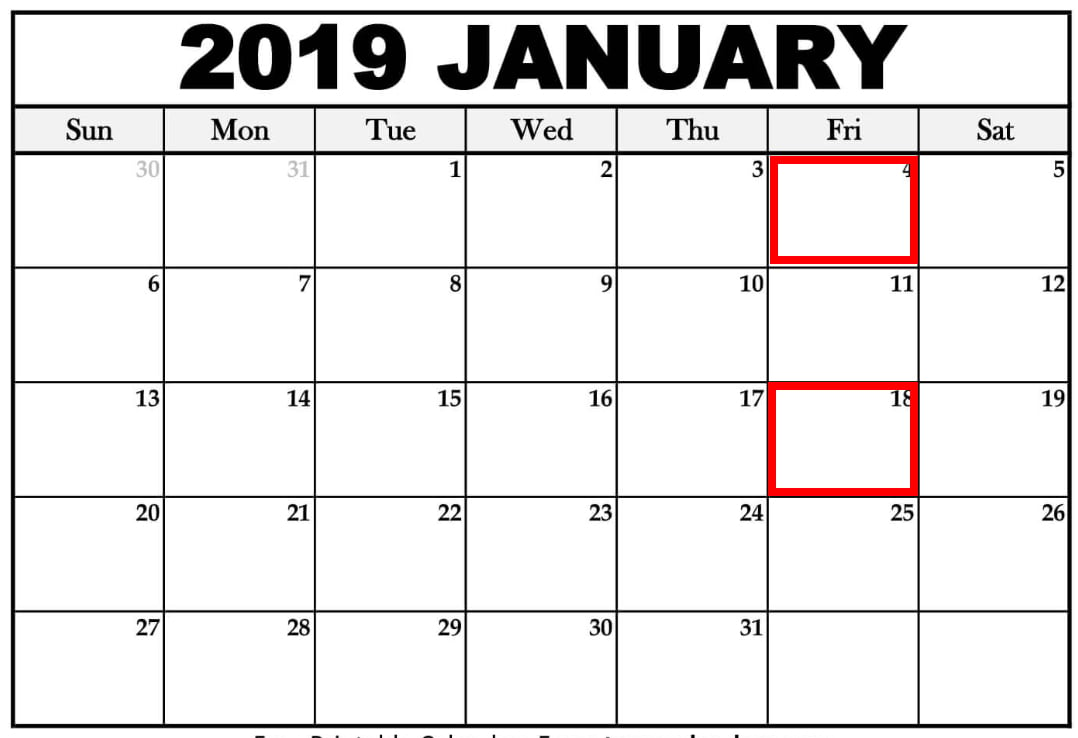
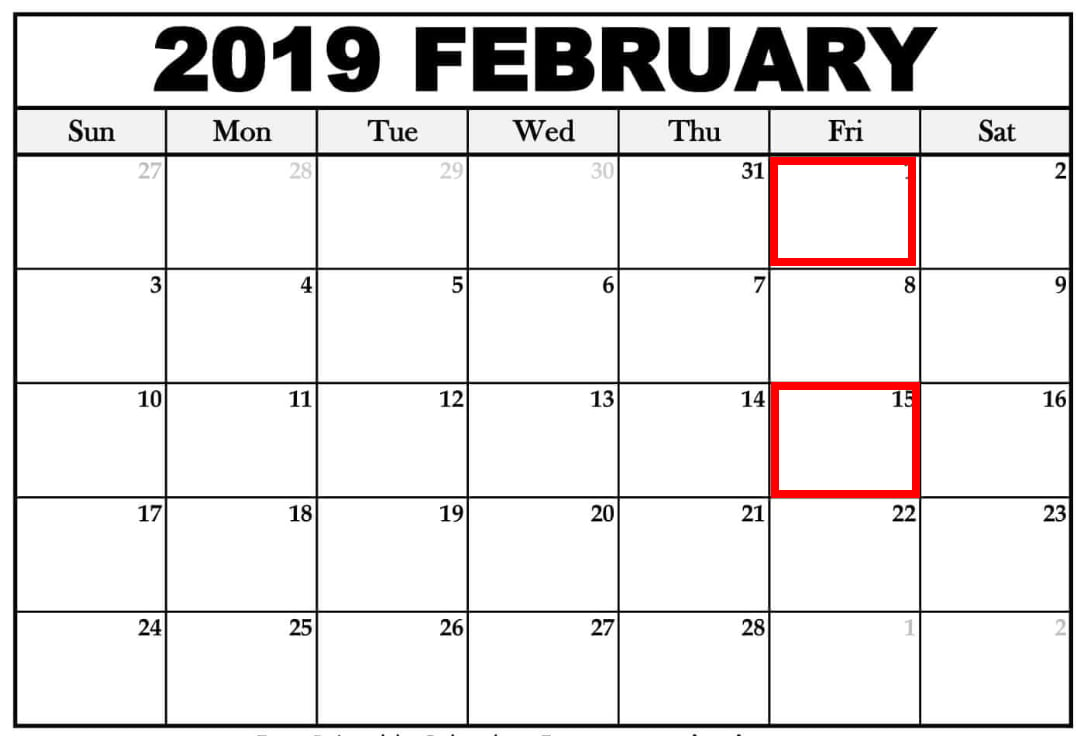
For instance, let's say you choose to pay your employees once every two weeks, on Friday.

Take a look at the following calendar for the months of January and February, 2019:

jan-biweekly-pay

feb-biweekly-payCalendar courtesy of Towncalendars.com

As you can see, it doesn't matter which day of the month you pay your employees -- you can pay them on the 4th one month, and then the 1st another. It's only important you pay once every two weeks. 

Once you start the year, you'll pay your employees once every two weeks. This might sound simple, but that means for two months out of the year, you'll have three pay periods instead of two.

Pros of Biweekly Pay:

  • Your HR team needs to process payroll once every two weeks, which can reduce the likelihood of payroll errors and time spent on payroll processing, in comparison to weekly pay periods.
  • Employees receive more pay checks during the year than semimonthly, even if those paychecks are slightly lower than they would be on a semimonthly schedule.
  • A biweekly system is more consistent for employees -- for instance, an employee can expect to receive a paycheck on every other Friday. With a semimonthly pay period, the days of the week will vary, with an employee potentially receiving a paycheck on a Monday, and then a Wednesday.
  • It likely makes your employees happier than operating on a monthly schedule, which requires employees to budget for a longer period of time.

Cons of Biweekly Pay:

  • If you use biweekly pay, your business must be prepared for the months with three paychecks, and budget accordingly to ensure the payroll account has enough money for those extra expenses.
  • Your payroll provider might charge your business for each payroll run, which results in higher annual fees than if you opt for semimonthly.
  • Your employees might want to get paid every week, so they have more consistent money coming into their accounts.
  • If your industry operates on contract work, where projects can stall for periods of time, employees might appreciate weekly pay for a sense of security.

Ultimately, it's critical you consider what your competitors are doing, and what makes the most sense for your employees, when choosing a pay period. Your decision might vary depending on the size of your HR team, whether you can find a payroll provider with fair payroll fees, and whether your employees are salaried or hourly workers.

The Difference Between Semimonthly and Biweekly

At first glance, these two terms sound awfully similar -- once every two weeks or twice a month are the same thing, aren't they?

Actually, they're not. Semimonthly means your employees get paid on two specific days of the month, regardless of when they fall. For instance, you might choose to pay your employees on the 15th and 30th of every month. Biweekly, on the other hand, promises employees a paycheck once every two weeks regardless of what day of the month it is -- hence, in the calendars above, employees receive paychecks on the 4th, 18th, 1st, and 15th of the month.

Semimonthly means employees receive 24 paychecks per year, instead of 26. Additionally, the 15th and 30th of each month could fall on a holiday or weekend depending on the month, so your HR team needs to ensure they're on-top of processing deadlines and pay dates to ensure your employees still receive a paycheck.

download free guide to company culture http://bit.ly/2Gdmmvq