Tuesday, February 5, 2019

The Ultimate Social Media Holiday Calendar for 2019 [Template]

Whether it's International Cat Day, Pizza Day, or Talk Like a Pirate Day, it seems like almost every day, the internet is celebrating a holiday.

Whenever I log onto Twitter, I quickly scan what's trending on the lefthand side of the screen.Manage and plan your social media posts with the help of this free calendar template.

Have you ever had this experience -- when you see an obscure holiday or observance day trending, and you think to yourself "Yup, I'm celebrating that"?

Some of these holidays might be simply too silly for your brand to engage with (and we certainly don't suggest sharing content on social media and then tacking on a completely irrelevant hashtag for the sake of traffic -- that's just plain annoying). But others might not be. You could be missing valuable opportunities to take advantage of trending topics with fun and relevant "holiday" content on social media.

From food to politics to animals and everything in between, there is a plethora of observance days worldwide during which marketers can share content relevant to their industries, get involved in a movement, or simply generate more awareness.

To help you plan for trending holidays, we created a list that you can bookmark, as well as a downloadable calendar so you can get automatic reminders. The list isn't exhaustive (there are a lot of food-specific holidays out there) and these dates and hashtags may still be subject to change. But this is a great starting point for social media marketers who want to learn more about what's trending and how they can plan their content in a way that will be fun and engaging on Twitter and other social platforms.

Want to finish out your 2018 calendar with some upcoming holiday posts? Tap the "+" symbol in the lower righthand corner of the calendar below to add it to your own Gmail calendar.

Downloadable Holiday Calendar

National & Global Holiday Calendar: 2019-2020

January 2019

1. Tuesday, New Year's Day #NewYearsDay

2. Wednesday, Science Fiction Day #ScienceFictionDay

4. Friday, National Trivia Day #NationalTriviaDay

5. Saturday, National Bird Day #NationalBirdDay

11. Friday, Human Trafficking Awareness Day #HumanTraffickingDay

13. Sunday, National Sticker Day #NationalStickerDay

14. Monday, Clean Off Your Desk Day #CleanOffYourDeskDay

15. Tuesday, National Hat Day #NationalHatDay

17. Thursday, Get to Know Your Customers Day (third Thursday of every quarter) #GetToKnowYourCustomersDay

20. Sunday, Cheese Lovers Day #CheeseLoversDay

21. Monday, Martin Luther King, Jr. Day #MLKDay

21. Monday, National Hugging Day #NationalHuggingDay

23. Wednesday, National Pie Day #PieDay

24. Thursday, National Compliment Day #NationalComplimentDay

25. Friday, Opposite Day #OppositeDay

28. Monday, Community Manager Appreciation Day #CMAD

28. Monday, Data Privacy Day #PrivacyAware

February 2019

2. Saturday, Groundhog Day #GroundhogDay

2. Saturday, World Wetlands Day #WorldWetlandsDay

3. Sunday, Super Bowl LIII #SBLIII

4. Monday, World Cancer Day #WorldCancerDay

5. Tuesday, Chinese New Year #YearOfThePig

5. Tuesday, Safer Internet Day #SID2019

5. Tuesday, National Weatherperson’s Day #NationalWeatherpersonsDay

7. Thursday, National Send a Card to a Friend Day #SendACardToAFriendDay

8. Friday, National Boy Scouts Day #BoyScoutsDay

9. Saturday, National Pizza Day #NationalPizzaDay

11. Monday, Inventors Day #InventorsDay

13. Wednesday, World Radio Day #WorldRadioDay

14. Thursday, Valentine's Day #ValentinesDay

17. Sunday, Random Acts of Kindness Day #RandomActsOfKindnessDay

18. Monday, National Battery Day #NationalBatteryDay

18. Monday, Presidents Day #PresidentsDay

20. Wednesday, World Day of Social Justice #SocialJusticeDay

20. Wednesday, Love Your Pet Day #LoveYourPetDay

21. Thursday, International Mother Language Day #IMLD

March 2019

1. Friday, National Peanut Butter Lover's Day #PeanutButterLoversDay

1. Friday, National Employee Appreciation Day #EmployeeAppreciationDay

2. Saturday, National Read Across America Day #ReadAcrossAmerica & #DrSeuss

3. Sunday, World Wildlife Day #WorldWildlifeDay

4. Monday, National Grammar Day #NationalGrammarDay

5. Tuesday, National Pancake Day #NationalPancakeDay

5. Tuesday, Mardi Gras #MardiGras

6. Wednesday, National Dentist's Day #DentistsDay

7. Thursday, National Be Heard Day #NationalBeHeardDay

7. Thursday, National Cereal Day #NationalCerealDay

8. Friday, International Women's Day #BeBoldForChange

8. Friday, National Proofreading Day #NationalProofreadingDay

8. Friday, National Day of Unplugging #NationalDayOfUnplugging

10. Sunday, National Pack Your Lunch Day #NationalPackYourLunchDay

10. Sunday, National Women and Girls HIV/AIDS Awareness Day #NWGHAAD

10. Sunday, Daylight Savings #DaylightSavings

11. Monday, National Worship of Tools Day #WorshipOfToolsDay

11. Monday, National Napping Day #NationalNappingDay

12: Tuesday, National Girl Scout Day #GirlScoutDay

14. Thursday, Popcorn Lover's Day #PopcornLoversDay

14. Thursday, Potato Chip Day #NationalPotatoChipDay

14. Thursday, Pi Day #PiDay (To go the extra mile, post this at 1:59, as Pi equals 3.14159...)

15. Friday, World Consumer Rights Day #WCRD2019

15. Friday, World Sleep Day #WorldSleepDay

16. Saturday, National Freedom of Information Day #FreedomOfInformationDay

17. Sunday, St. Patrick's Day #StPatricksDay

18. Monday, Awkward Moments Day #NationalAwkwardMomentsDay

19. Tuesday, National Let's Laugh Day #NationalLetsLaughDay

20. Wednesday, International Day of Happiness #InternationalDayofHappiness

20. Wednesday, World Storytelling Day #WorldStorytellingDay

20. Wednesday, First Day of Spring #FirstDayofSpring

21. Thursday, International Day for the Elimination of Racial Discrimination #RacialDiscriminationDay

21. Thursday, World Poetry Day #WorldPoetryDay

22: Friday, World Water Day #WorldWaterDay

23. Saturday, National Puppy Day #NationalPuppyDay

25. Monday, Tolkien Reading Day #TolkienReadingDay

26. Tuesday, National Spinach Day #NationalSpinachDay

26. Tuesday, Purple Day #PurpleDay

26. Tuesday, American Diabetes Association Alert Day #AmericanDiabetesAssociationAlertDay

30. Saturday, Doctor's Day #NationalDoctorsDay

30. Saturday, Earth Hour Day #EarthHour

30. Saturday, National Take a Walk in the Park Day #NationalWalkInTheParkDay

31. Sunday, World Backup Day #WorldBackupDay

31. Sunday, Transgender Day of Visibility #TDOV

April 2019

1. Monday, April Fools Day #AprilFools

2. Tuesday, World Autism Awareness Day #WAAD

3. Wednesday, Find a Rainbow Day #FindARainbowDay

3. Wednesday, National Walking Day #NationalWalkingDay

4. Thursday, Hug a Newsperson Day #HugANewsperson

7. Sunday, World Health Day #LetsTalk

9. Tuesday, Equal Pay Day #EqualPayDay

10. Wednesday, National Siblings Day #NationalSiblingsDay

10. Wednesday, Encourage a Young Writer Day #EncourageAYoungWriterDay

11. Thursday, National Pet Day #NationalPetDay

12. Friday, International Day of Human Space Flight #InternationalDayOfHumanSpaceFlight

15. Monday, National Tax Day #TaxDay

16. Tuesday, National Stress Awareness Day #StressAwarenessDay

16. Tuesday, National Wear Your Pajamas to Work Day #PJDay

17. Wednesday, Haiku Poetry Day #HaikuPoetryDay

18. Thursday, National Columnists' Day #NationalColumnistDay

18. Thursday, Get to Know Your Customers Day #GetToKnowYourCustomersDay

18. Thursday, National High-Five Day #NH5D

20. Saturday, National Look-Alike Day #NationalLookAlikeDay

22. Monday, Earth Day #EarthDay2018

23. Tuesday, National Picnic Day #NationalPicnicDay

23. Tuesday, World Book Day #WorldBookDay

24. Wednesday, National Administrative Professionals Day #AdministrativeProfessionalsDay

24. Wednesday, Denim Day #DenimDay

25. Thursday, National Telephone Day #NationalTelephoneDay

25. Thursday, World Malaria Day #EndMalariaForGood

25. Thursday, National Take Our Daughters and Sons to Work Day #COUNTONME

26. Friday, Arbor Day #ArborDay

29. Monday, International Dance Day #InternationalDanceDay

30. Tuesday, National Honesty Day #NationalHonestyDay

30. Tuesday, National Adopt a Shelter Pet Day #AdoptAShelterPetDay

30. Tuesday, International Jazz Day #JazzDay

May 2019

TBD: Red Nose Day #RedNoseDay

1. Wednesday, May Day #MayDay

1. Wednesday, International Workers Day #IntWorkersDay

2. Thursday, World Password Day #WorldPasswordDay

3. Friday, World Press Freedom Day #WPFD2019 #PressFreedom

3. Friday, Space Day #SpaceDay

4. Saturday, Star Wars Day #StarWarsDay & #Maythe4thBeWithYou

4. Saturday, International Firefighters Day #InternationalFirefightersDay

5. Sunday, Cinco de Mayo #CincoDeMayo

6. Monday, National Nurses Day #NursesDay

7. Tuesday, World Asthma Day #WorldAsthmaDay

7. Tuesday, Thank a Teacher Day #ThankATeacher

8. Wednesday, National Receptionist Day #NationalReceptionistDay

9. Thursday, Europe Day #EuropeDay

12. Sunday, National Limerick Day #NationalLimerickDay

13. Sunday, Mother's Day #MothersDay

15. Wednesday, International Day of Families #FamilyDay

16. Thursday, Love a Tree Day #LoveATreeDay

17. Friday, International Day Against Homophobia and Transphobia #IDAHOT2019

17. Friday, National Bike to Work Day #BTWD

17. Friday, Endangered Species Day #EndangeredSpeciesDay

21. Tuesday, National Memo Day #NationalMemoDay

24. Friday, National Scavenger Hunt Day #NationalScavengerHuntDay

27. Monday, Memorial Day #MemorialDay #MDW

28. Tuesday, Hamburger Day #NationalHamburgerDay

29. Wednesday, Paperclip Day #PaperclipDay

31. Friday, World No-Tobacco Day #NoTobacco

31. Friday, Heat Awareness Day #NoFryDay

June 2019

1. Saturday, Global Day of Parents #GlobalDayOfParents

1. Saturday, International Children’s Day #ChildrensDay

2. Sunday, National Cancer Survivor’s Day #NCSD2019

3. Monday, Leave The Office Early Day #LeaveTheOfficeEarlyDay

5. Wednesday, World Environment Day #WorldEnvironmentDay

6. Thursday, Higher Education Day #HigherEducationDay

7. Friday, National Donut Day #NationalDonutDay

8. Saturday, World Oceans Day #WorldOceansDay

8. Saturday, Best Friends Day #BestFriendsDay

14. Friday, World Blood Donor Day #GiveBlood

14. Friday, National Flag Day #FlagDay

16. Sunday, Father’s Day #FathersDay

20. Thursday, World Refugee Day #WithRefugees

21. Friday, National Selfie Day #NationalSelfieDay

21. Friday, World Music Day #WorldMusicDay

21. Friday, International Yoga Day #InternationalYogaDay

21. Friday, First Day of Summer

21. Friday, Take Your Dog to Work Day #TakeYourDogToWorkDay

27. Thursday, National Sunglasses Day #NationalSunglassesDay

27. Thursday, National Handshake Day #HandshakeDay

30. Sunday, Social Media Day #SMDay

July 2019

1. Monday, National Postal Worker Day #NationalPostalWorkerDay

2. Tuesday, World UFO Day #WorldUFODay

4. Thursday, Independence Day (United States)

7. Sunday, World Chocolate Day #WorldChocolateDay

11. Thursday, Cheer Up the Lonely Day #CheerUpTheLonelyDay

12. Friday, Malala Day #MalalaDay

15. Monday, Give Something Away Day #GiveSomethingAwayDay

17. Wednesday, World Emoji Day #WorldEmojiDay

18. Thursday, Nelson Mandela International Day #MandelaDay

18. Thursday, Get to Know Your Customers Day #GetToKnowYourCustomersDay

26. Friday, Talk in an Elevator Day #TalkInAnElevatorDay

30. Tuesday, International Day of Friendship #DayOfFriendship

August 2019

1. Thursday, Respect for Parents Day #RespectForParentsDay

2. Friday, National Coloring Book Day #NationalColoringBookDay

8. Thursday, International Cat Day #InternationalCatDay

9. Friday, National Book Lovers Day #NationalBookLoversDay

10. Saturday, National Lazy Day #LazyDay

11. Sunday, National Sons and Daughters Day #SonsAndDaughtersDay

12. Monday, International Youth Day #YouthDay

12. Monday, World Elephant Day #WorldElephantDay

13. Tuesday, International Lefthanders Day #LefthandersDay

15. Thursday, National Relaxation Day #NationalRelaxationDay

16. Friday, National Tell a Joke Day #NationalTellAJokeDay

19. Monday, World Photo Day #WorldPhotoDay

19. Monday, World Humanitarian Day #WorldHumanitarianDay

20. Tuesday, National Lemonade Day #NationalLemonadeDay

26. Monday, National Dog Day #NationalDogDay

26. Monday, National Women’s Equality Day #WomensEqualityDay

September 2019

2. Monday, Labor Day #LaborDay

4. Wednesday, National Wildlife Day #NationalWildlifeDay

5. Thursday, International Day of Charity #CharityDay

6. Friday, Read a Book Day #ReadABookDay

8. Sunday, International Literacy Day #LiteracyDay

8. Sunday, National Grandparents Day #NationalGrandparentsDay

11. Wednesday, National Day of Service and Remembrance #911Day

12. Thursday, National Day of Encouragement #DayOfEncouragement

12. Thursday, National Video Games Day #NationalVideoGamesDay

13. Friday, Stand Up To Cancer Day #KissCancerGoodbye

19. Thursday, Talk Like a Pirate Day #TalkLikeAPirateDay

21. Saturday, International Day of Peace #PeaceDay

21. Saturday, Miniature Golf Day #MiniGolfDay

21. Saturday, Civic Day of Hacking #HackForChange

22. Sunday, Car-Free Day #CarFreeDay

22. Sunday, Hobbit Day #HobbitDay

23. Monday, First Day of Fall

25. Wednesday, National Women’s Health and Fitness Day #FitnessDay

26. Thursday, European Day of Languages #EDL2019

27. Friday, World Tourism Day #WTD2019

28. Saturday, World Rabies Day #WorldRabiesDay

28. Saturday, National Good Neighbor Day #GoodNeighborDay

30. Monday, International Podcast Day #InternationalPodcastDay

October 2019

1. Tuesday, International Day of Older Persons #UNDOP

1. Tuesday, International Coffee Day #InternationalCoffeeDay

1. Tuesday, World Vegetarian Day #WorldVegetarianDay

2. Wednesday, International Day of Nonviolence #InternationalDayOfNonviolence

3. Thursday, National Techies Day #TechiesDay

4. Friday, World Animal Day #WorldAnimalDay

4. Friday, National Taco Day #NationalTacoDay

4. Friday, World Smile Day #WorldSmileDay

5. Saturday, World Teachers Day #WorldTeachersDay

7. Monday, World Habitat Day #WorldHabitatDay

10. Thursday, World Mental Health Day #WorldMentalHeathDay

10. Thursday, World Sight Day #WorldSightDay

11. Friday, International Day of the Girl #DayOfTheGirl

13. Sunday, National Train Your Brain Day #TrainYourBrainDay

14. Monday, National Dessert Day #DessertDay

15. Tuesday, Global Handwashing Day #GlobalHandwashingDay

16. Wednesday, World Food Day #FoodDay

16. Wednesday, Bosses Day #BossesDay

17. Thursday, International Day for the Eradication of Poverty #EndPoverty

17. Thursday, Get to Know Your Customers Day #GetToKnowYourCustomersDay

20. Sunday, World Statistics Day #StatisticsDay

21. Monday, Reptile Awareness Day #ReptileAwarenessDay

24. Thursday, United Nations Day #UNDay

25. Friday, Greasy Foods Day #GreasyFoodsDay

30. Wednesday, National Publicist Day #NationalPublicistDay

30. Wednesday, Checklist Day #ChecklistDay

31. Thursday, Halloween #Halloween

November 2019

1. Friday, World Vegan Day #WorldVeganDay

1. Friday, National Authors Day #NationalAuthorsDay

1. Friday, National Cook For Your Pets Day #CookForYourPetsDay

3. Sunday, National Sandwich Day #NationalSandwichDay

3. Sunday, Daylight Saving Time Ends #DaylightSavings

4. Monday, National Candy Day #NationalCandyDay

8. Friday, National Cappuccino Day #CappuccinoDay

8. Friday, Science, Technology, Engineering, and Medicine (STEM) Day #STEMDay

11. Monday, Veterans Day #VeteransDay

13. Wednesday, World Kindness Day #WKD

14. Thursday, World Diabetes Day #WDD

15. Friday, Clean Out Your Refrigerator Day #CleanOutYourRefrigeratorDay

15. Friday, America Recycles Day #BeRecycled

16. Saturday, International Day for Tolerance #ToleranceDay

17. Sunday, International Students Day #InternationalStudentsDay

19. Tuesday, International Men’s Day #InternationalMensDay

19. Tuesday, National Entrepreneurs Day #EntrepreneursDay

20. Wednesday, Universal Children’s Day #UNChildrensDay

21. Thursday, World Hello Day #WorldHelloDay

26. Tuesday, National Cake Day #NationalCakeDay

28. Thursday, Thanksgiving Day #Thanksgiving

29. Friday, National Day of Listening #DayOfListening

29. Friday, Electronic Greeting Card Day #ElectronicGreetingCardDay

30. Saturday, Computer Security Day #ComputerSecurityDay

30. Saturday, Small Business Saturday #ShopSmall

December 2019

1. Sunday, World AIDS Day #WAD2019

2. Monday, Cyber Monday #CyberMonday

3. Tuesday, International Day of Persons with Disabilities #IDPWD

4. Wednesday, National Cookie Day #NationalCookieDay

5. Thursday, World Soil Day #WorldSoilDay

6. Friday, Microwave Oven Day #MicrowaveOvenDay

8. Sunday, Pretend to Be a Time Traveler Day #PretendToBeATimeTravelerDay

10. Tuesday, Human Rights Day #HumanRightsDay

10. Tuesday, Nobel Prize Day #NobelPrize

11. Wednesday, International Mountain Day #InternationalMountainDay

13. Friday, National Salesperson Day #SalespersonDay

21. Saturday, Crossword Puzzle Day #CrosswordPuzzleDay

21. Saturday, First Day of Winter #WinterSolstice

30. Monday, No Interruptions Day – Last Work Day of the Year #NoInterruptionsDay

31. Tuesday, New Year’s Eve #NYE

Sources: National Day Calendar, Sprout Social, TrackMaven, Holiday Insights, Brownielocks, National Peace Corps Association, Sparkflow
Free Template Social Media Content Calendar

Free Template Social Media Calendar
http://bit.ly/2nvj1h7

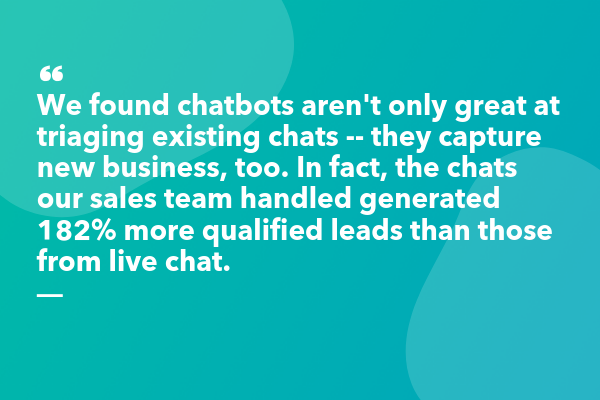
How Using Humans And Chatbots Together Generated 182% More Qualified Leads

Prospect expectations for businesses have never been higher -- in fact, according to Google, 61% of people now expect brands to deliver personalized experiences. 

At the same time, the amount of people who want to reach a business through messaging continues to rise. Which means keeping up on chat can be tough, even for well-trained teams.

At HubSpot, we felt the brunt of that pain in early 2018. We have a specific sales team that handles chatting with people on our website. At the time, we'd been using live chat across most of HubSpot.com to engage with prospects in a way that felt natural.

Unfortunately, sales leadership began noticing we were losing out on valuable, high-intent prospects who were attempting to reach us via live chat. We simply didn't have a guaranteed way of ensuring their needs were addressed by a member of our team -- which meant we were losing out on potential sales, big time.

When my marketing team at HubSpot connected with the sales team to discuss the issue, we recognized live chat alone no longer suited our needs. To appropriately communicate with each prospect and create that highly personalized experience our website visitors crave, we needed to scale our sales team's productivity with a chatbot.

Here, we'll explore why we decided to build a chatbot, how we designed the experience, and why it might be an outstanding solution for your own business in 2019 -- and beyond.

Why Live Chat Didn't Work For Us

When the live chat sales team reached out to us, we knew we needed to make the team more efficient.

Live chat in-and-of-itself wasn't a problem -- but, unfortunately, we weren't tailoring the conversations to the visitor and their problems. We knew sifting through each and every visitor's inquiry was the right thing to do, since it helped solve for the customer and answer any prospect's questions. But, since they all fell under the same bucket, it became increasingly difficult for the sales team to keep up. And for the majority of people who didn't leave us with a way to get back in touch, they were gone forever.

At one point, over a third of the people who chatted with us never heard anything back.

Additionally, hundreds of the chats we received each month were from users who simply needed product support. This ate part of our sales team's valuable bandwidth, making it harder for them to get in touch with site visitors who actually needed to speak with a sales rep.

Ultimately, this poor experience added unnecessary friction for our site visitors and sales reps.

Why We Decided to Build a Chatbot

After some internal discussion, we set out to build a chatbot that would engage with visitors, triage them, and get them to the right place, sooner. This would be a win-win for both visitors to our site, and the sales team.

To figure out what this chatbot should do, we first looked at live chat transcripts. They're an invaluable resource when doing conversational marketing, since you can hear in the prospect's own words what they want to do. There are technical ways to classify chats (like natural language processing), but a qualitative approach is fine to start.

We then bucketed intents from live chat into three buckets -- sales, support, and a catch-all "other". To start the chatbot, we prompted people to select the topic that best matched their intent.

After speaking with our support team, we learned that getting technical help with a product while on the website can be tricky. There are rich and thorough resources better-suited for getting these kinds of answers. So, rather than keeping someone in the chatbot, we used what we know about them in the CRM to point them in the right direction. The chatbot would look at their contact record, and then serve up a contextual web page depending on the products they were using.

Even though our prospects couldn't connect with a human right away, we set them up for better long-term success.

Next, we recognized a large percentage of the people who interacted with live chat did, in fact, want to talk to our sales team. But that didn't mean trying to connect them to a human right away was efficient for either group.

We interviewed and observed the sales team to understand their experience with chat. Right away, we noticed each sales rep needed to know three key facts about the user to tailor the conversation to their business -- name, email, and website.

The sales team said in an ideal world, they wanted this context before chatting with a prospect -- an issue we knew a chatbot could solve. We programmed the chatbot to collect this information in a natural, contextual way.

Additionally, we knew a prospect would become frustrated if they needed to repeat themselves -- in fact, NewVoiceMedia found it to be the most frustrating aspect of customer experience. To combat this issue, we again checked the CRM, and if you'd ever filled out a HubSpot form, we'd skip the questions altogether.

Collecting this information up-front enabled the sales team to spend more time selling, and less time chasing down email addresses.

Our Results

At the beginning of this project, our main goal was to deflect support-related chats away from our sales team. But, even as someone who has been building chatbots for almost four years, I'll admit -- what we saw was shocking.

When compared to live chat, 75% more people engaged with the chatbot.

Additionally, over 55% of people gave real answers to the basic qualifying questions and reached a human. While the drop-off there may seem steep, sifting out low-intent people proved incredibly helpful for the sales team.

chatbot-hubspot-2Ultimately, our chatbot's success came in a few ways -- first, the chatbot anticipated the next step of the conversation and used quick replies to drive a visitor forward. Opening up a chat and clicking a contextual button has less friction than typing in a text field -- now, people didn't need to come up with the first message themselves.
It makes sense that multiple choice options drive more engagement. Think of it this way -- when you meet someone new, often the hardest part of the conversation is the beginning, when you're trying to think of something to say. But once the conversation starts rolling, things become smoother.

The same is true for our prospects when they engage with a chatbot versus live chat.

Additionally, 9% of people who chatted with the bot needed support help -- we were able to deflect those visitors away from humans in a helpful way, serving up the best place to get answers to their questions quickly.

It's important to note when designing conversations, the hardest and most overlooked aspect is to write like a human. As consumers, we rarely process in our heads that we want to "talk to sales". Instead, we only know we want to talk about "products I'm not yet using". Writing with the "jobs to be done" in mind is a great philosophy for conversational design.

Takeaways for Your Business

At the end of the experiment, I've found a few takeaways that can help you and your business succeed, as well.

First, chatbots are a great opportunity to meet your visitors where they are. If you want to get started with a chatbot, look at chat transcripts, or interview your sales team to understand the types of questions people typically ask. Bucket those questions into a few critical categories.

Also, it's critical you and your team think through and anticipate the best way to help those various buckets of people. The more you can personalize -- perhaps through your CRM -- the better.

Ultimately, using a chatbot to get people the help they need is a huge win for both your prospects and your business. In our case, site visitors now had the best resources for their support issues, and our sales team was able to capture more qualified leads.

The best part? Both sides did this in a frictionless, efficient way.

http://bit.ly/2Gnrr3H

Guía de marketing móvil para profesionales del marketing [Kit gratuito]

Como profesionales del marketing, sabemos que el concepto de «optimización móvil» nos puede llegar a parecer tan solo otro tema de moda. Sumado a esto, el proceso para optimizar el sitio web de tu empresa puede resultar abrumador.

Con la esperanza de que el proceso sea menos intimidante, colaboramos con Localytics para ofrecerte la Guía de marketing móvil para profesionales del marketing.

En este kit de 5 secciones analizaremos las buenas prácticas del marketing móvil, te ayudaremos a decidir si tu empresa debe desarrollar una aplicación propia y te ofreceremos información acerca de la evolución de los dispositivos móviles durante los últimos años.

Específicamente, con esta guía descubrirás:

  • Cuál es el estado del marketing móvil actual y por qué es importante optimizar la estrategia de marketing para dispositivos móviles.
  • Cómo optimizar tu sitio web y cuáles son los aspectos clave que debes tener en cuenta al trabajar con el equipo de desarrollo web o con los trabajadores autónomos.
  • Cuáles son las buenas prácticas del marketing móvil y cómo asegurarte de que tus esfuerzos resulten eficaces.
  • Cómo aprovechar el ecosistema de la aplicación y por qué es importante para tu empresa.
  • ¿Cómo será el marketing móvil del futuro? Qué debes hacer para mantenerte al tanto de las tendencias en dispositivos móviles y lograr que tu empresa se clasifique en las búsquedas y genere oportunidades de venta y clientes.
  • *Recurso adicional* Diagrama de flujo: ¿Necesito una aplicación propia?

Descarga una copia de la Guía de marketing móvil para profesionales del marketing ahora.

Asesoría Inbound gratis http://bit.ly/2SxxBEI

An Introduction to Persuasive Advertising vs. Informative Advertising

Out of all the entertaining ads that played during Super Bowl 53, there’s only one commercial that I woke up thinking about the next morning: Pepsi’s “More Than OK”.

“More Than OK” poked fun at how Pepsi usually takes a back seat to Coke, especially at restaurants. And by featuring a star-studded cast that included Steve Carell, Lil Jon, and Cardi-B (who hilariously and fervently backed up Pepsi’s OKness) their boldness to call people out for undermining Pepsi’s quality got a lot of laughs and persuaded a massive audience to reconsider their own perception of the soft drink.

As marketers, we know that if we want to persuade an audience, we need to evoke an emotional response from them. But how do you actually do that? Below, we’ll examine six persuasive advertising techniques you can use in your advertisements, five examples you can reference if you ever need some inspiration, and three informative advertisement examples that are surprisingly just as compelling as the persuasive advertising examples.

1. The Carrot and The Stick

Humans are hardwired to move towards pleasure, like a horse towards a carrot, and away from pain, like a donkey avoids a stick. When people read or watch your advertisements, "carrots", or promises of gain, can fill your prospects with hope and compel them to pursue that potential feeling of pleasure. "Sticks", possibilities of loss, evoke fear in your prospects, which will compel them to flee from that potential feeling of pain.

Both tactics can pull your prospects into a narrative and evoke emotions that inspire your desired action. Carrots, like a product’s benefit, entice people to take a desired action. Sticks, on the other hand, like anti-smoking campaigns, evoke fear in people to stop doing a certain action and start doing the alternative. To better understand how to craft advertisements that feature a carrot or stick, check out these insurance copywriting examples below.

Carrot: “15 minutes could save you 15% on car insurance.” -- Geico

Stick: “Get All-State. You can save money and be better protected from Mayhem like me. ” -- All-State

As you can see, Geico's ad uses a small time investment that could potentially produce big gains as a lure to get you to buy their product. Conversely, All-State’s ad uses the character “Mayhem” to evoke fear into people to stop using their “inferior” insurance and start using All-State’s.

2. The Scarcity Principle

People value objects and experiences that are rare -- having something that most people want, but can’t have, boosts our sense of self-worth and power. If you use words and phrases that imply scarcity and evoke a sense of urgency, like “Exclusive offer” or “Limited availability”, you can skyrocket your product’s perceived scarcity and consumer demand.

3. One Message Per Advertisement

To immediately hook people and persuade them to read or watch the rest of your advertisement, try sticking to only one message. Spotlighting your product or offer’s main benefit or feature will make it easy for your customers to understand its value and increase the likelihood of their conversion because you’re only conveying one message to your audience: your product’s main feature will benefit your customer’s life somehow, someway.

4. Write in the Second Person

Since your prospects primarily care about how you can help them, and pronouns like “you” and “your" can engage them on a personal level and help them insert themselves in the narrative you’re creating, writing advertisements in the second person can instantly grip their attention and help them imagine a future with your product or service bettering their lives.

5. Give Your Audience a Sense of Control

According to a research study conducted by three psychology professors at Rutgers University, the need for control is a biological and psychological necessity. People have to feel like they have control over their lives.

If you want to give your audience a sense of control, you need to give them the ability to choose. In other words, after reading or watching your advertisement, they must feel like they can choose between the option you suggest or another path. If they feel like you’re trying to force them to buy your product, they’ll get annoyed and disengage from your message.

To give your audience the ability to choose, and in turn, a sense of control, use phrases like “Feel free” or “No pressure” in your advertisements, like this example from Hotwire.com below.

6. Use a Call-to-Value Instead of a Call-to-Action

Call-to-actions are crucial for getting prospects to take the next step, but a “Download Now” or “Call Now” CTA isn’t always going to convince the more skeptical prospects to take your desired action. You need to make sure your ad’s last line of copy or quip is the best of them all.

So instead of writing an uninspiring, final line of copy like “Download Now”, write one that clearly communicates your offer’s value and gives a glimpse into your prospects’ potential life if they take your desired action, like this call-to-value prompting readers to download a blogging eBook: “Click today and be a blogger tomorrow.”

Persuasive Advertising Examples

1. Nikol

Persuasive Advertising - Nikol Paper Towls

Image Credit: Brilliant Ads

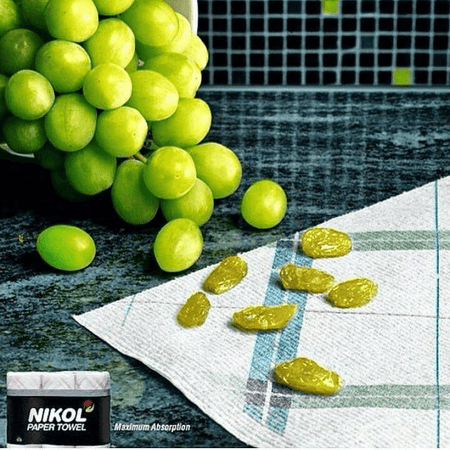
Showing -- not telling -- your audience about your product’s benefits is one of the best ways to capture attention and get an emotional response. Obviously, Nikol’s paper towels can’t actually turn grapes into raisins, but this ad highlights the product's absorbent powers in a such a clear and clever way, they didn’t need write a single line of copy.

2. Heinz

Persuasive Advertising - Heinz

Image Credit: Brilliant Ads

In relation to food, the word “hot” has multiple meanings: having a high temperature and being spicy. Heinz brilliantly used the connotation of high temperature to highlight the spiciness of their ketchup, and their creative method of communicating the value of their product helped them instantly attract people’s attention.

3. Mondo Pasta

Persuasive Advertising - Mondo Pasta

Image Credit: Brilliant Ads

With this crafty use of guerrilla marketing, Mondo Pasta perfectly aligns their copy with their creative -- the guy slurping the noodle literally "can’t let go" because its a rope tied to a dock. By designing such a visual, unexpected, and literal ad with a seemingly one-dimensional prop, people’s eyes can’t let go of this ad either.

4. Bic

Persuasive Advertising - Bic

Image Credit: Brilliant Ads

Another example of guerrilla marketing, Bic takes advantage of an unkept field to highlight the power of their razors. By just mowing a small strip of grass on a field, this ad is an unconventional, simple, and extremely creative way to catch people’s attention and spotlight a razor’s shaving capabilities.

5. Siemens

Persuasive Advertising - Siemens

Image Credit: Brilliant Ads

Siemens’ skillful ad shows the benefits of their product by unexpectedly placing their washers and dryers in a library to show you that they’re so quiet, even a librarian wouldn’t need to shush them.

1. Drink Responsibly

Informative Advertising - Drink Responsibly

Image Credit: Bloggs74

Even though this ad might seem like it’s only aiming to evoke fear in its target audience, it actually leans on the facts to get their message across. If you drink and drive, your risk of crashing skyrockets 11 fold. And by focusing on this alarming reality, this ad can persuade people to get an Uber or Lyft home after a night out instead of getting behind the wheel.

2. Miller Lite

Persuasive Advertising - Miller Lite
Image Credit:  Miller Lite

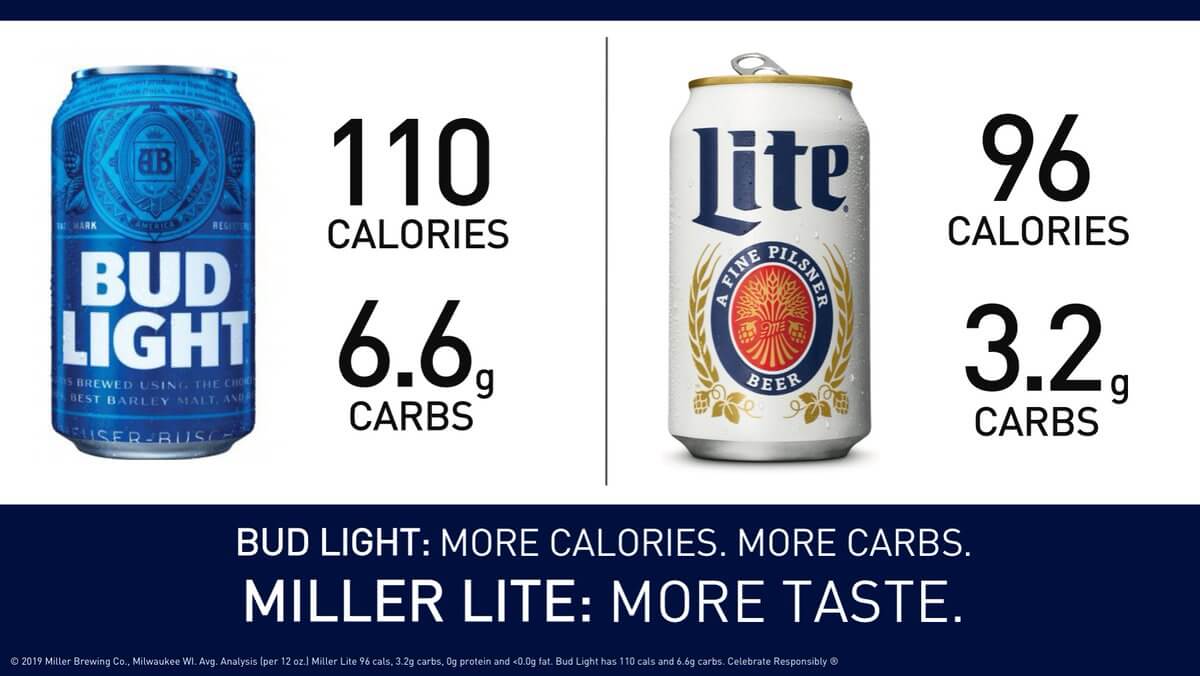
After Bud Light took some jabs at Miller Lite for using corn syrup in their beer during their Super Bowl 53 ads, Miller Lite decided to throw a few punches back. A day later on Twitter, they revealed that their beer actually has less calories and carbs than Bud Light, which helped them persuade people that drinking Bud Light and Miller Lite actually have similar health benefits.

3. Siskiyou Eye Center

Informative Advertising - Siskiyou Eye Center
Image Credit:  Entractech

There’s an old folk tale that carrots can improve your eyesight, but science has actually debunked this myth. That’s why this Siskiyou Eye Center ad is such a creative informative advertisement. While it pokes fun at this common fable, it’s still relying on the facts of carrots not being able to improve your vision and the Eye Center’s ability to provide quality treatment for your eyes to persuade people to do business with them.

Persuasive advertising vs. informative advertising: which one is better?

Persuasive advertising and informative advertising definitely focus on different aspects of persuasion, but they still aim to achieve the same goal: convincing your audience to take a desired action. So whether you pursue one advertising strategy or another, remember that if you can trigger an emotional response, regardless of the stimuli, your ad will be a success.

http://bit.ly/2WELfW5

5 Ways B2B Businesses Can Use Online Video

Does your business need to create more videos? Looking for creative inspiration for your video content? In this article, you’ll discover five video types to add to your social media content mix. Why Should My Marketing Include Video Content? Over the past several years, one of the best B2B content strategies has been to create […]

The post 5 Ways B2B Businesses Can Use Online Video appeared first on Social Media Marketing | Social Media Examiner.

February 05, 2019 at 12:00PM http://bit.ly/2GbE8iW
read more...
from Social Media Marketing | Social Media Examiner http://bit.ly/2D5wv9q
via IFTTT

Monday, February 4, 2019

How to Optimize Blog Images for Social Sharing: An Intro to Open Graph Tags

We've all been there before. You've written a great blog post, and you've plopped a featured image in there to represent the post on social media, your blog's main page, and so on.

Then, you hop on your social media accounts and paste the link into a new post. You're all ready to share it with your network, but there's just one problem.Unfortunately, the social networks are pulling the wrong thumbnail image. Or worse, they're pulling none at all.

Not only is this annoying -- you were so close to being done -- but a bad thumbnail image (or no thumbnail image) could seriously hurt your post's performance on social. Images are a key play for garnering engagement on your social pages, and data shows they help generate more likes, shares, and comments. For example, tweets that feature an image result in 150% more retweets. But that image needs to be the right image -- not your logo, not a cut-off picture of your call-to-action button, and not some other image randomly pulled from the page.

Click here to get everything you need to get your website ranking in search.

So, how do you ensure each of your social networks pulls in the image you want it to? The answer lies with something called the Open Graph Protocol.

When you share a website or an article on Facebook or LinkedIn, or via Twitter Cards, you'll notice each of these social networks automatically pulls in a few pieces of information into your social post: the website's title, an image, the URL, and a short description. This is made possible using each social network's open graph protocol.

LinkedIn has since adopted the same protocol Facebook originally developed, while Twitter uses its own open graph system that's based on the same conventions -- although Twitter accommodates the Open Graph protocol if you already have it on your site. Also note that Twitter only automatically pulls in information from a link when you use Twitter Cards -- not for regular tweets.

How to Use Open Graph Protocol

Marketers need open graph (OG) protocol if they want to post better-looking content on social media. But where does each social network find that information? That's where open graph tags come in. When you put OG tags in the head section of a webpage, social networks have a much easier time finding the correct information for each part of the social post.

If your webpage doesn't have OG tags in the code, they'll take a guess on where to find the right information. Usually they'll do OK with the title, URL, and description, but they might have trouble picking the right image. OG image tags tell social networks exactly which image to pull.

If you plan to use certain webpages or blog posts in your social media posts, there are few OG tags you'll include most often in each page: one for the webpage title, one for the image you want displayed, one for the URL of the webpage, and one for a one- to two-sentence meta description that describes the page. Here's what they all look like below, with placeholder text in all caps denoting where you'd customize the content of each tag to reflect what you want the social media post to display.

  • <meta property="og:title" content="TITLE OF PAGE" />
  • <meta property="og:image" content="URL OF IMAGE ONLY" />
  • <meta property="og:url" content="URL OF WEBPAGE" />
  • <meta property="og:description" content="DESCRIPTION OF PAGE" />

See that "og: ... " text describing the meta property of each line above? The text that comes after it defines the the tag category you're using the OG tag to define. For example, the first one says "og:title" because this tag dictates the title of the webpage you want to appear at the top of your social media post. Posting a blog article? The OG title tag will probably be the title of your article.

Depending on the type of media you're posting -- image, video, infographic, or just text -- you might find a need for other OG tags as well to further customize the OG that appears on your social media feed once you post your content. Here are a few of them:

  • "og:image:width" -- This OG tag is nested within the image tag, allowing you to define the specific width of your feature image in your social media post.
  • "og:image:height" -- This tag is nested within the image tag, allowing you to define the specific height of your feature image. We'll talk more about recommended image sizes for each social network in the next section.
  • "og:article" -- This tag lets the social network know your post is an article, and there are several other tags you can nest inside this one to further promote the article in your social media post.
  • "og:article:author" -- This tag is nested within the article tag, allowing you to promote the author (or the byline) of the article in your social media post.
  • "og:audio" -- This tag allows you to promote and describe a playable audio file in your social media post.
  • "og:video" -- This tag allows you to promote and describe a playable video in your social media post.
  • "og:video:series" -- This tag is nested within the video tag, allowing you to promote and define a video series if your video belongs to a larger video campaign.

The list goes on for the OG tag categories available to you. Blog, game, city, book, company, hotel, and country are all categories of OG tags you can use to customize your Facebook, Twitter, and LinkedIn posts to best represent the content you're serving to your audience.

Good news for HubSpot and WordPress users: If you use HubSpot for blogging, your social networks will pull in the featured image automatically -- just make sure you designate a featured image in each of your blog posts. (Pro tip: Try uploading your featured images to the COS as at least 610 pixels wide, which ends up looking better on Facebook, Twitter, and LinkedIn. Although LinkedIn's photo dimensions ask for a small image, the COS should resize it automatically.)

If you use WordPress, you'll need to install this plugin or one like it, but then you'll be set to go.

Ultimately, this post is for you if you don't use a content management system (CMS), as you'll need to do it manually for each page on your site. We'll show you step-by-step instructions for how to manually optimize images for social posting on the top three social networks for sharing content: Facebook, LinkedIn, and Twitter.

Facebook Open Graph

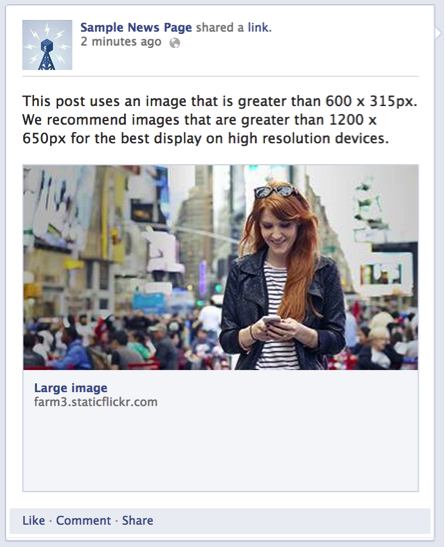
Here's what a Facebook link post looks like:


To ensure Facebook pulls the right image from your blog post into your Facebook posts, you'll need to first optimize the image size for Facebook and then add the proper OG tags to your website.

Optimizing the Image Size for Facebook Open Graph

Required: Facebook requires you to use an image that's at least 200 x 200 pixels.

Suggested: Although 200 x 200 is the absolute minimum, Facebook advises using an image that's at least 600 x 314 pixels. For the best display on high-resolution devices, the company suggests choosing an image that's at least 1200 x 630 pixels.

facebook-sample-article-post

Image Credit: Facebook

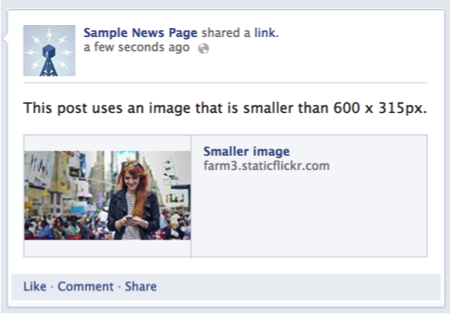
If your image is smaller than 600 x 314 pixels, it'll still display in your post, but appear as a thumbnail-sized picture. So, if your images carry a lot of important detail that would be lost in such a small frame, it's best to set your OG image tags to 1200 x 630.

Sample Facebook post showing the open graph protocol

Adding the Open Graph Tags

If your page is static and you don't use a CMS like HubSpot, you'll need to manually add OG tags to each of the pages your blog posts are on. The tags are meta data, so you need to add them to the head section of the page your blog post is on. (If you don't manage the code on your site, you'll need to ask your web developer for help.)

1. Copy the meta tags below.

<meta property=“og:image” content=“http://bit.ly/2t51o9v ” />

<meta property="og:image:width" content="1200" />

<meta property="og:image:height" content="630" />

2. Replace the placeholder text with your selected image's URL.

Next, remove the sample image URL above, highlighted in red, with the actual URL of your image. Do the same with the height and width numbers, highlighted in green, replacing them with the correct dimensions of your image. Keep in mind Facebook's image size requirements.

3. Copy the resulting code snippet into the HTML head section of your page.

Once you've filled in the code in step 1 with your own content's image URL and dimensions, open the source code (often denoted with this icon: "<>") and paste it into the top of the page's HTML.

4. Enter previously shared webpages into Facebook's Sharing Debugger.

(Don't worry about this step if the webpage you're working on has never been published before.)

If you've previously published this webpage without tags, or if you publish the page and then realize you messed the tags up and need to adjust them, you'll need to run the URL through Facebook's debugger once you make any changes. This is because Facebook caches its shared pages -- so if you don't refresh the cache, the thumbnail won't be corrected.

That's it! Now, when you post a link to your article to Facebook, the Open Graph Protocol will read the OG:image tag and display the image you point it to. (Learn more about OG tags for titles, descriptions, and more on the Facebook dev blog.)

LinkedIn Open Graph

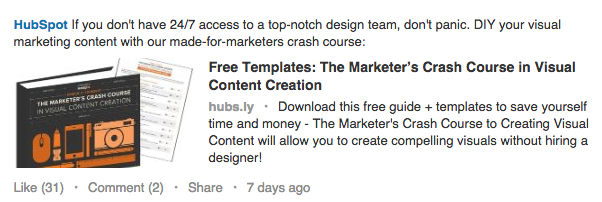
Like Facebook, LinkedIn also uses the open graph protocol. So, when you share a link with your LinkedIn network, LinkedIn scrapes the article for a title, images, and a URL, and then uses that information to fill our your LinkedIn post. (While they don't explicitly say they scrape for a meta description, their algorithm does pull this in as well.) Here's an example of a LinkedIn post by HubSpot with a meta description shown underneath the page title:

LinkedIn post by HubSpot using open graph protocol

To ensure LinkedIn pulls the right image from your post to use as a thumbnail, you'll need to optimize that image's size and then add the proper OG tags to your website, much in the same way as you did for Facebook.

Optimizing the Image Size for LinkedIn Open Graph

Required: LinkedIn requires thumbnail images to be at least 80 x 150 pixels but no larger than 80 x 110. If your image doesn't meet these requirements, LinkedIn will automatically pull in an different image on your page that fits the right dimensions.

Recommended: LinkedIn's sharing module has the ability to promote wide, rectangular images, which can increase your post's clickthrough rate over a 80 x 150 thumbnail. To share an image like this, the company advises using an image that is 1200 x 627, and as close to a 1:91:1 aspect ratio as you can (i.e. rectangular, rather than square).

Adding the Open Graph Tags

Just like on Facebook, if your page is static and you don't use a content management system (CMS) like HubSpot, you'll need to manually add OG tags to each of the pages your blog posts are on. The tags are meta data, so you need to add them to the head section of the page your blog post is on. (Again, if you don't have control over the code on your website, you'll need to ask your web developer for help.)

1. Copy the meta tags below.

<meta property=“og:image” content=“http://bit.ly/2t51o9v ” />

<meta property="og:image:width" content="1200" />

<meta property="og:image:height" content="627" />

2. Replace the placeholder text with your selected image's URL.

Next, remove the sample image URL above, highlighted in red, with the actual URL of your image. Do the same with the height and width numbers, highlighted in green, replacing them with the correct dimensions of your image. Keep in mind Facebook's image size requirements.

3. Copy the resulting code snippet into the HTML head section of your page.

Once you've filled in the code in step 1 with your own content's image URL and dimensions, open the source code (often denoted with this icon: "<>") and paste it into the top of the page's HTML.

That's it! Now, when you post a link to your article to LinkedIn, the Open Graph Protocol will read the OG:image tag and display the image you point it to.

Important Note If You Plan to Post to Both Facebook & LinkedIn

You might notice there's a conflict in the required image sizes if you're optimizing your webpage for thumbnail images: LinkedIn requires your featured image be no larger than 180 x 110 pixels, while Facebook requires your image be no smaller than 200 x 200 pixels.

While you could technically size your featured image as close to 180 x 110 pixels as possible without going over, that would optimize for LinkedIn while resulting in a very small image on Facebook. Remember, although Facebook requires an image size of 200 x 200 pixels or larger, they recommend you don't go smaller than 600 x 314 pixels so the image in the post is large.

Instead, according to web developer Jay Holtslander, you can include two OG tags for the same image in two difference sizes in the head section of your page using this code (and you'd replace the code in red with the URLs of your differently sized images):

<meta property="og:image" content="image-180x110.jpg " /> <!-- 180x110 Image for Linkedin -->

<meta property="og:image:width" content="180" />

<meta property="og:image:height" content="110" />

<meta property="og:image" content="image-600x315.jpg " /> <!-- 600x315 Image for Facebook -->

<meta property="og:image:width" content="600" />

<meta property="og:image:height" content="314" />

Twitter Open Graph

Twitter uses a system similar to Open Graph tags called Twitter Card tags. (You need to have Twitter Cards already set up in order to use Twitter Card tags.)

If you already have OG tags set up on your website, the folks at Twitter made it pretty easy for you to generate a Twitter Card without duplicating your tags and data. According to Twitter's dev blog, "When the Twitter card processor looks for tags on your page, it first checks for the Twitter property, and if not present, falls back to the supported Open Graph property. This allows for both to be defined on the page independently, and minimizes the amount of duplicate markup required to describe your content and experience."

But Twitter Cards look pretty similar to link posts on Facebook and LinkedIn -- it pulls the title, an image, the URL, and a short description. Here's an example:

To set up Twitter Card tags, you'll need to optimize your image size and then add the proper Twitter Card tags to your website.

Optimizing the Image Size for Twitter Open Graph

Required: Twitter requires your image to be no smaller than 144 x 144 pixels and less than 1 MB in file size. The social network also says it'll automatically resize images larger than 4096 x 4096 pixels.

Recommended: Like LinkedIn, Twitter Cards support large images as well, not just the square-shaped thumbnail. To optimize your images for this open graph, format the image you want featured in your tweet to be no smaller than 300 x 157.

Adding the Twitter Card Tags

Just like on Facebook and LinkedIn, if your page is static and you don't use a Content Management System (CMS) like HubSpot, you'll need to manually add Twitter Card tags to each of the pages your blog posts are on. Like the other social networks' tags, Twitter's tags are meta data, so you need to add them to the head section of the page your blog post is on. (Your developer can help with this if you don't have access to your website's code.)

Step 1: Copy this tag:

<meta name=”twitter:image” content=" http://bit.ly/2t51o9v”>

Step 2: Replace the example image URL, highlighted in red, with your selected image's URL.

Step 3: Copy and paste the resulting code snippet into the HTML head section of your page.

That's it! Now, when you post a link to your article to Twitter, it'll properly display your desired image.

marketing

http://bit.ly/2HQaW2A

Lead Scoring 101: How to Use Data to Calculate a Basic Lead Score

When most people start implementing inbound marketing, they're primarily worried about getting enough new leads in the funnel.

But once you have a lot of leads, you need to figure out who's really interested in your product and who's just starting to look around.

That's where lead scoring comes in.

What Is Lead Scoring?

Lead scoring is the process of assigning values, often in the form of numerical "points," to each lead you generate for the business. You can score your leads based on multiple attributes, including the professional information they've submitted to you and how they've engaged with your website and brand across the internet. This process helps sales and marketing teams prioritize leads, respond to them appropriately, and increase the rate at which those leads become customers.

Learn more about the concept of lead scoring in the video below.

Every company has a different model for assigning points to score their leads, but one of the most common ways is using data from past leads to create the value system.

How? First, you'll take a look at your contacts who became customers to see what they have in common. Next, you'll look at the attributes of your contacts who didn't become customers. Once you've looked at the historical data from both sides, you can decide which attributes should be weighted heavily based on how likely they are to indicate someone's a good fit for your product.

Align Your Sales and Marketing Goals With an Interactive Lead Goal Calculator

Lead scoring sounds easy, right? Depending on your business model and the leads in your database, this can quickly become complicated. To make this process a little easier on you, we're going to walk you through the basics of creating a lead score, including what data you should look at, how to find the most important attributes, and the process for actually calculating a basic score.

Here are six different lead scoring models based on the type of data you can collect from the people who engage with your business:

1. Demographic Information

Are you only selling to people of a certain demographic, like parents of young children or CIOs? Ask demographic questions in the forms on your landing pages, and you can use your leads' answers to see how well they fit in with your target audience.

One thing you can do with this information is remove outliers from your sales team's queue by subtracting points for people who fall into a category you don't sell to. For example, if you only sell to a certain geographic location, you might give a negative score to any lead who falls outside the proper city, state, zip code, country, and so on.

If some of your form fields are optional (like a phone number, for instance), then you also might award extra points to leads who provide that option information anyway.

2. Company Information

If you're a B2B organization, are you more interested in selling to organizations of a certain size, type, or industry? Are you more interested in B2B organizations or B2C organizations? You can ask questions like these on your landing page forms, too, so you can give points to leads who fit in with your target audience and take points away from leads who aren't at all what you're looking for.

3. Online Behavior

How a lead interacts with your website can tell you a lot about how interested they are in buying from you. Take a look at your leads who eventually become customers: Which offers did they download? How many offers did they download? Which pages -- and how many pages -- did they visit on your site before becoming a customer?

Both the number and types of forms and pages are important. You might give higher lead scores to leads who visited high-value pages (like pricing pages) or filled out high-value forms (like a demo request). Similarly, you might give higher scores to leads who had 30 page views on your site, as opposed to three.

What about leads who have changed their behavior over time? If a lead has stopped visiting your website or downloading your offers, they may not be interested anymore. You might take points away from leads who've stopped engaging with your website after a certain period of time. How long -- 10 days, 30 days, 90 days -- depends on your typical sales cycle.

4. Email Engagement

If someone's opted in to receive emails from your company, you're not sure how interested that person is in buying from you. Open and clickthrough rates, on the other hand, will give you a much better idea of their interest level. Your sales team will want to know who opened every email in your lead nurturing series, or who always clicked through your offer promotion emails. That way, they can focus on the ones who seem most engaged. You might also give a higher lead score to leads who click through on high-value emails, like demo offers.

5. Social Engagement

How engaged a lead is with your brand on social networks can also give you an idea of how interested they are. How many times did they click through on your company's tweets and Facebook posts? How many times did they retweet or share those posts? If your target buyers are active on social networks, then you might consider awarding points to leads with certain Klout scores or numbers of followers.

6. Spam Detection

Last but not least, you might want to give negative scores to leads who filled out landing page forms in ways that could indicate they're spam. For example, were first name, last name, and/or company name not capitalized? Did the lead complete any form fields by typing four or more letters in the traditional "QWERTY" keyword side-by-side?

You might also want to think about which types of email addresses leads are using compared with the email addresses of your customer base. If you're selling to businesses, for example, you might take points away from leads who use a Gmail or Yahoo! email address.

How Do You Know What Matters Most?

That's a lot of data to weed through -- how do you know which data matters most? Should you find out from your sales team? Should you interview your customers? Should you dive into your analytics and run a few reports?

Actually, we recommend a combination of all three. Your sales team, your customers, and your analytics reports will all help you piece together what content is most valuable for converting leads into customers, which will help you attach certain points to certain offers, emails, and so on.

Talk to your sales team.

Sales reps are the ones on the ground, communicating directly with both leads who turned into customers and those who didn't. They tend to have a pretty good idea of which pieces of marketing material helps encourage conversion.

Which blog posts and offers do your sales reps like to send leads? You might find some of them telling you, "Every time I send people this certain piece of collateral, it's easier to close them." This is valuable information. Find out what those pieces of collateral are, and assign points accordingly.

Talk to your customers.

While your sales team might claim certain content converts customers, you might find that the people who actually went through the sales process have different opinions. That's okay: You want to hear it from both sides.

Conduct a few customer interviews to learn what they think was responsible for their decision to buy from you. Be sure you're interviewing customers who had both short and long sales cycles so you get diverse perspectives.

Turn to the analytics.

You should also complement all this in-person research with hard data from your marketing analytics.

Run an attribution report to figure out which marketing efforts lead to conversions throughout the funnel. Don't only look at the content that converts leads to customers -- what about the content people view before they become a lead? You might award a certain number of points to people who download content that's historically converted people into leads, and a higher number of points to people who download content that's historically converted people into customers. (HubSpot customers: Click here to learn more about running attribution reports in HubSpot.)

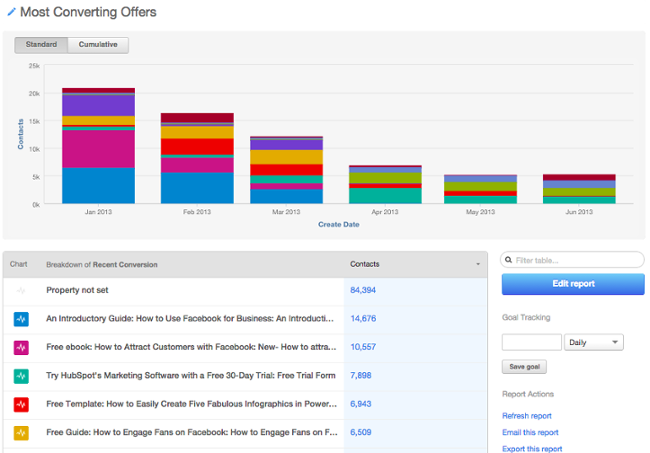
Another way to help you piece together valuable pieces of content on your site is to run a contacts report. A contacts report will show you how many contacts -- and how much revenue -- has been generated as a result of certain, specific marketing activities. Marketing activities might include certain offer downloads, email campaign clickthroughs, and so on. Take note of which activities tend to be first-touch conversions, last-touch conversions, and so on, and assign points accordingly. (HubSpot customers: Click here to learn more about creating a contacts report in HubSpot.)

HubSpot lead scoring bar graph

Image Credit: HubSpot's Academy Blog

Is One Lead Score Enough?

If you have one core customer right now, a single score suffices. But as your company scales, you'll sell to new audiences. You might expand into new product lines, new regions, or new personas. You might even focus more on up-selling and cross-selling to existing customers, rather than pursuing new ones. If your contacts aren't "one size fits all," your scoring system shouldn't be either.

With some marketing platforms, you can create multiple lead-scoring systems, giving you the flexibility to qualify different sets of contacts in different ways. Not sure how to set up more than one score? Here are a few examples to inspire you:

Fit vs. Interest

Let's say, for instance, your sales team wants to evaluate customers on both fit (i.e. is a contact in the right region? The right industry? The right role?) and interest level (e.g. how engaged have they been with your online content?). If both of these attributes are a priority, you can create both an engagement score and a fit score, so that you can prioritize outreach to contacts whose values are high in both categories.

Multiple Personas

Say you're a software company that sells two different types of software, via different sales teams, to different types of buyers. You could create two different lead scores -- one for a buyer's fit and the other for their interest in each tool. The, you'd use these respective scores to route leads to the right sales teams.

New Business vs. Up-sell

As you grow, you might start to focus on up-sell or cross-sell as much as new business. But keep in mind the signals that indicate quality of new prospects and existing customers often look completely different.

For prospects, you might look at demographics and website engagement, whereas for existing customers, you might look at how many customer support tickets they've submitted, their engagement with an onboarding consultant, and how active they currently are with your products. If these buying signals look different for different types of sales, consider creating multiple lead scores.

(Note: HubSpot recently launched the ability to create up to twenty-five scores. Read more on HubSpot lead scoring here.)

How to Calculate a Basic Lead Score

There are many different ways to calculate a lead score. The simplest way to do it is this:

Manual Lead Scoring

1. Calculate the lead-to-customer conversion rate of all of your leads.

Your lead-to-customer conversion rate is equal to the number of new customers you acquire, divided by the number of leads you generate. Use this conversion rate as your benchmark.

2. Pick and choose different attributes customers who you believe were higher quality leads.

Attributes could be customers who requested a free trial at some point, or customers in the finance industry, or customers with 10-20 employees.

There's a certain kind of art to choosing which attributes to include in your model. You'll choose attributes based on those conversations you had with your sales team, your analytics, and so on -- but overall, it's a judgment call. You could have five different people do the same exercise, and they could come up with five different models. But that's okay as long as your scoring is based on the data we mentioned previously.

3. Calculate the individual close rates of each of those attributes.

Calculating the close rates of each type of action a person takes on your website -- or the type of person taking that action -- is important because it dictates the actions you'll take in response.

So, figure out how many people become qualified leads (and ultimately, customers) based on the actions they take or who they are in relation to your core customer. You'll use these close rates to actually "score" them in the step below.

4. Compare the close rates of each attribute with your overall close rate, and assign point values accordingly.

Look for the attributes with close rates that are significantly higher than your overall close rate. Then, choose which attributes you'll assign points to, and if so, how many points. Base the point values of each attribute on the magnitude of their individual close rates.

The actual point values will be a little arbitrary, but try to be as consistent as possible. For example, if your overall close rate is 1% and your "requested demo" close rate is 20%, then the close rate of the "requested demo" attribute is 20X your overall close rate -- so you could, for example, award 20 points to leads with those attributes.

Logistic Regression Lead Scoring

The simple method, above, for calculating a lead score is a great start. However, the most mathematically sound method is one that employs a data mining technique, such as logistic regression.

Data mining techniques are more complex, and often more intuitive to your actual close rates as a result. Logistic regression involves building a formula in Excel that'll spit out the probability that a lead will close into a customer. It's more accurate than the technique we've outlined above since it's a holistic approach that takes into account how all of the customer attributes -- like industry, company size, and whether or not someone requested a trial -- interact with one another.

If you'd like to explore logistic regression in Excel, check out this resource. In the meantime, the manual approach above this section is a great way to get started.

Predictive Lead Scoring

Creating a lead score can do great things for your business: improve the lead-handoff process, increase lead conversion rate, improve rep productivity, and more. But, as you can see from the two methods above, coming up with a scoring system can be a time-consuming task when done manually.

Plus, coming up with scoring criteria isn't "set it and forget it." As you get feedback from your team and stress-test your scores, you'll need to tweak your lead-scoring system on a regular basis to ensure it remains accurate. Wouldn't it be easier if technology could take the manual setup and continuous tweaking out, leaving your team more time to build relationships with your customers?

That's where predictive scoring comes in. Predictive scoring uses machine learning to parse through thousands of data points in order to identify your best leads, so you don't have to. Predictive scoring looks at what information your customers have in common, as well as what information the leads that didn't close have in common, and comes up with a formula that sorts your contacts by importance based on their potential to become customers. This allows you and your sales team to prioritize leads so you're not harassing those who aren't (yet) interested and engaging those who are.

The best part about predictive scoring? As with any application of machine learning, your predictive score gets smarter over time, so your lead follow-up strategy will optimize itself.

Want to find out more about predictive scoring? Learn about this automated process here.

free hubspot email demo

http://bit.ly/2WGRt7R