Here on the HubSpot blog, we’ve written glossary-themed posts that cover some of the core components of inbound marketing. We've covered social media terms, content marketing terms, smarketing terms, email marketing terms, website optimization terms ... heck, even marketing acronyms.

Well, we thought it was time to create a blog post that could serve as a holistic marketing glossary -- one that not only defines each term, but also offers some helpful resources in case you want to learn about them in more depth. We hope you can bookmark this post and come back to it whenever you need to.
Now, I'm no math whiz, but when you try to make a glossary based on a topic with sub-categories that could be their own glossaries, well -- that’s a lot of gloss. So instead of throwing hundreds of terms at you from all those other glossaries, I narrowed this one down to the top 99 terms that are imperative to anyone learning about marketing.
Marketing Terms to Know
- A/B Testing
- Analytics
- Application Programming Interface (API)
- B2B (Business-to-Business)
- B2C (Business-to-Consumer)
- Blogging
- Business Blogging
A
1. A/B Testing
This is the process of comparing two variations of a single variable to determine which performs best in order to help improve marketing efforts. This is often done in email marketing (with variations in the subject line or copy), calls-to-action (variations in colors or verbiage), and landing pages (variations in content). Outside of marketing, you can use it to determine what tastes better on a peanut butter sandwich: jelly or fluff. (Learn how to run A/B tests here.)
2. Analytics
What I sometimes refer to as the “eyes” of inbound marketing, analytics is essentially the discovery and communication of meaningful patterns in data. When referred to in the context of marketing, it’s looking at the data of one’s initiatives (website visitor reports, social, PPC, etc.), analyzing the trends, and developing actionable insights to make better informed marketing decisions. (Want to learn marketing analytics? Here a list of nine great sources to get you started.)
3. Application Programming Interface (API)
APIs are a series of rules in computer programming, which allow an application to extract information from a service and use that information either in their own application or in data analyses. It's kind of like a phone for applications to have conversations -- an API literally "calls" one application and gets information to bring to you to use in your software. APIs facilitate the data needed to provide solutions to customer problems.
HubSpot has APIs that developers use to get information from our software into theirs. It’s important for marketers to understand what APIs can do to factor them in to their marketing strategies. Learn more about how marketers can use APIs here.
B
4. B2B (Business-to-Business)
An adjective used to describe companies that sell to other businesses. For example, Google and Oracle are primarily B2B companies.
5. B2C (Business-to-Consumer)
An adjective used to describe companies that sell directly to consumers. For example, Amazon, Apple, and Nike are primarily B2C companies.
6. Blogging
This is short for web log or weblog. An individual or group of people usually maintains a blog. A personal blog or business blog will traditionally include regular entries of commentary, descriptions of events, or other material, such as photos and video.
Blogging is a core component of inbound marketing, as it can accomplish several initiatives simultaneously -- like website traffic growth, thought leadership, and lead generation. It does not, however, do your taxes.
7. Business Blogging
Business blogging retains all the attributes of "regular" blogging, but adds a tasty layer of marketing strategy on top. It helps marketers drive traffic to their website, convert that traffic into leads, establish authority on certain topics, and drive long-term results. (Learn about these benefits in more detail here.)
When blogging for a business, marketers should create posts that are optimized with keywords that their target audience is searching for and provide helpful, educational material to these readers. Typically, these blog posts should be actionable (by providing an opt-in, downloadable offer), as to provide a metric for the effectiveness of the business blogging.
8. Bottom of the Funnel
Since we’re going alphabetically, the last part of the funnel process is first! So, “bottoms up,” I suppose. The bottom of the funnel refers to a stage of the buying process leads reach when they’re just about to close as new customers. They’ve identified a problem, have shopped around for possible solutions, and are very close to buying.
Typically, next steps for leads at this stage are a call from a sales rep, a demo, or a free consultation -- depending on what type of business is attempting to close the lead.
9. Bounce Rate
Website bounce rate: The percentage of people who land on a page on your website and then leave without clicking on anything else or navigating to any other pages on your site. A high bounce rate generally leads to poor conversion rates because no one is staying on your site long enough to read your content or convert on a landing page (or for any other conversion event).
Email bounce rate: The rate at which an email was unable to be delivered to a recipient's inbox. A high bounce rate generally means your lists are out-of-date or purchased, or they include many invalid email addresses. In email, not all bounces are bad, so it's important to distinguish between hard and soft bounces before taking an email address off your list. (Learn about hard and soft bounces here.)
10. Buyer Persona
A semi-fictional representation of your ideal customer based on market research and real data about your existing customers. While it helps marketers like you define their target audience, it can also help sales reps qualify leads. (Learn more about developing buyer personas here.)
C
11. Call-to-Action
A call-to-action is a text link, button, image, or some type of web link that encourages a website visitor to visit a landing page and become of lead. Some examples of CTAs are “Subscribe Now” or “Download the Whitepaper Today.” These are important for marketers because they’re the “bait” that entices a website visitor to eventually become a lead. So, you can imagine that it’s important to convey a very enticing, valuable offer on a call-to-action to better foster visitor-to-lead conversion. (Download our free, introductory guide to effective calls-to-action here. Hey, that was a CTA!)
12. CAN-SPAM
CAN-SPAM stands for "Controlling the Assault of Non-Solicited Pornography and Marketing." It's a U.S. law passed in 2003 that establishes the rules for commercial email and commercial messages, it gives recipients the right to have a business stop emailing them, and outlines the penalties incurred for those who violate the law. For example, CAN-SPAM is the reason businesses are required to have an "unsubscribe" option at the bottom of every email. (Learn more of the details here.)
13. CASL
CASL stands for "Canadian Anti-Spam Legislation." It's a Canadian law passed in 2013 that covers the sending of "commercial electronic messages" that may be accessed by a computer in Canada. CASL covers email, texts, instant messages, and automated cell phone messages sent to computers and phones in Canada. (Learn more of the details here.)
14. Churn Rate
A metric that measures how many customers you retain and at what value. To calculate churn rate, take the number of customers you lost during a certain time frame, and divide that by the total number of customers you had at the very beginning of that time frame. (Don't include any new sales from that time frame.)
For example, if a company had 500 customers at the beginning of October and only 450 customers at the end of October (discounting any customers that were closed in October), their customer churn rate would be: (500-450)/500 = 50/500 = 10%.
Churn rate is a significant metric primarily for recurring revenue companies. Regardless of your monthly revenue, if your average customer does not stick around long enough for you to at least break even on your customer acquisition costs, you’re in trouble.
15. Clickthrough Rate (CTR)
The percentage of your audience that advances (or clicks through) from one part of your website to the next step of your marketing campaign. As a mathematic equation, it’s the total number of clicks that your page or CTA receives divided by the number of opportunities that people had to click (ex: number of pageviews, emails sent, and so on).
16. Closed-Loop Marketing
The practice of closed-loop marketing is being able to execute, track and show how marketing efforts have impacted bottom-line business growth. An example would be tracking a website visitor as they become a lead to the very last touch point when they close as a customer.
When done correctly, you’d be able to see just how much of your marketing investment yielded new business growth. One of the biggest business benefits of implementing an inbound marketing strategy and utilizing inbound marketing software is the ability to execute closed-loop marketing.
17. Conversion Path
A conversion path is a series of website-based events that facilitate lead capture. In its most basic form, a conversion path will consist of a call-to-action (typically a button that describes an offer) that leads to a landing page with a lead capture form, which redirects to a thank you page where a content offer resides. In exchange for his or her contact information, a website visitor obtains a content offer to better help them through the buying process. If you’re still having difficulty grasping the topic based on this description, feel free to absorb it as a rabbit hunting analogy in comic form.
18. Content
In relation to inbound marketing, content is a piece of information that exists for the purpose of being digested (not literally), engaged with, and shared. Content typically comes in the form of a blog, video, social media post, photo, slideshow, or podcast, although there are plenty of over types out there. From website traffic to lead conversion to customer marketing, content plays an indispensable role in a successful inbound marketing strategy.
19. Content Management System (CMS)
A web application designed to make it easy for non-technical users to create, edit, and manage a website. Helps users with content editing and more "behind-the-scenes" work like making content searchable and indexable, automatically generating navigation elements, keeping track of users and permissions, and more.
(At HubSpot, we think COS is better than CMS. Find out why.)
20. Content Optimization System (COS)
A COS is basically a CMS (Content Management System), but optimized to deliver customers the most personalized web experience possible. (Learn more about HubSpot's COS here.)
21. Context
If content is king, then context is queen. Serving up valuable content is important, but ensuring that it’s customized for the right audience is equally (if not more) important. As buyers become more in control of what information they digest (again, not literally), it’s important to deliver content that’s contextually relevant. If you own a restaurant, you wouldn’t want to send a coupon for a steak dinner to a vegetarian, right? Unless you’re anti-herbivore, of course …
22. Conversion Rate
The percentage of people who completed a desired action on a single web page, such as filling out a form. Pages with high conversion rates are performing well, while pages with low conversion rates are performing poorly.
23. Conversion Rate Optimization (CRO)
The process of improving your site conversion using design techniques, key optimization principles, and testing. It involves creating an experience for your website visitors that will convert them into customers. CRO is most often applied to web page or landing page optimization, but it can also be applied to social media, CTAs, and other parts of your marketing. (Learn more here.)
24. Cost-per-Lead (CPL)
The amount it costs your marketing organization to acquire a lead. This factors heavily into CAC (customer acquisition cost), and is a metric marketers should keep a keen eye on.
25. Crowdsourced Content
Creating your own content can take more time than you have to lend to it -- which is where crowdsourcing comes into play. Allowing subject matter experts, customers, or freelancers to create your content for you is a prime way to get more quality content published in less time. Compile the content you get back into a really awesome offer and give credit to all the contributors -- a win-win for everyone involved. (Learn how to crowdsource a blog post using Google Docs here.)
26. Customer Acquisition Cost (CAC)
Your total Sales and Marketing cost. To calculate CAC, follow these steps for a given time period (month, quarter, or year):
- Add up program or advertising spend + salaries + commissions + bonuses + overhead.
- Divide by the number of new customers in that time period.
For example, if you spend $500,000 on Sales and Marketing in a given month and added 50 customers that same month, then your CAC was $10,000 that month. (Learn more here.)
27. Customer Relationship Management (CRM)
A set of software programs that let companies keep track of everything they do with their existing and potential customers.
At the simplest level, CRM software lets you keep track of all the contact information for these customers. But CRM systems can do lots of other things, too, like tracking email, phone calls, faxes, and deals; sending personalized emails; scheduling appointments; and logging every instance of customer service and support. Some systems also incorporate feeds from social media such as Facebook, Twitter, LinkedIn, and others. (Learn more here.)
28. CSS
CSS stands for Cascading Style Sheets, and it's what gives your entire website its style, like colors, fonts, and background images. It affects the mood and tone of a web page, making it an incredibly powerful tool. It's also what allows websites to adapt to different screen sizes and device types. (Learn more about CSS, HTML, and JavaScript here.)
D
29. Dynamic Content
A way to display different messaging on your website based on the information you already know about the visitor. For example, you could use Smart CTAs so that first-time visitors will see a personalized CTA (perhaps with a top-of-the-funnel offer) and those already in your database see a different CTA (maybe for content that offers a little more information about your product or service). You can read this post to learn more about dynamic content.
E
30. Ebook
Ebooks are a common type of content that many marketers use, often to help generate leads. They are generally a more long-form content type than, say, blog posts, and go into in-depth detail on a subject. Here's an awesome ebook on how to write an ebook (so meta).
31. Editorial Calendar
It's like a road map for content creation, showing you what kind of content to create, what topics to cover, which personas to target, and how often to publish to best support your strategy. Maintaining an editorial calendar will keep you more organized and show you any gaps you may have in your content library. It also helps ensure you're doing the right things for your personas and not going way off-track with the topics you're covering. (Don't have a proper calendar of your own yet? Check out this free, pre-designed editorial calendar template.)
32. Email
In its most basic sense, email stands for “Electronic Mail.” It’s a core component of marketing because it’s a direct connection to a contact’s inbox. However, with great power comes great responsibility, meaning it’s important for marketers to not abuse the email relationship with a contact. It’s far too easy for a contact to click “unsubscribe” after gaining their hard earned trust in your communication. Don’t blow it.
33. Engagement Rate
A popular social media metric used to describe the amount of interaction -- Likes, shares, comments -- a piece of content receives. Interactions like these tell you that your messages are resonating with your fans and followers. (Click here for engagement rate benchmarks for a range of different industries.)
34. Evergreen Content
Evergreen content is content that continues to provide value to readers no matter when they stumble upon it. In other words, it can be referenced long after it was originally published, and even then, it's still valuable to the reader. This post on how to write blog posts serves as a prime example.
Typically, a piece of evergreen content is timeless, valuable, high quality, and canonical or definitive. These posts are typically a content marketer's best friend because of the tremendous SEO value they provide. (Learn more about evergreen content and why it's important here.)
F
35. Facebook
Facebook is a social network you're likely quite familiar with already -- but it has become so much more than just a platform to publish content and gain followers. You can now utilize the awesome targeting options available through Facebook advertising to find and attract brand new contacts to your website and get them to convert on your landing pages ... but remember, you still need awesome content to do it.
While it’s a core component of any marketing strategy, it shouldn’t be the only component. Focusing entirely on Facebook (or any other large social channel, for that matter) will only give you a small piece of the inbound marketing pie. And it’s still piping hot, so be careful. (Download our free guide to using Facebook for business here.)
36. Form
The place your page visitors will supply information in exchange for your offer. It’s also how those visitors can convert into precious sales leads. As a best practice, only ask for information you need from your leads in order to effectively follow up with and/or qualify them. (Read this post to learn what you should and shouldn't ask on your landing page forms.)
37. Friction
Any element of your website that is confusing, distracting, or causes stress for visitors, causing them to leave your page. Examples of friction-causing elements include dissonant colors, too much text, distracting website navigation menus, or landing page forms with too many fields. (Learn more about identifying and fixing friction here.)
G
38. Google+
Google+ (referred to as "Google Plus") is a social network that allows you to join and create circles in which you can mix and match family members, friends, colleagues, and fellow industry members. While you can use it much like other social networks -- to publish and share content, and generate new leads -- it also provides content marketers with tremendous SEO value due to the rising importance of social sharing in search engine algorithms. (It is owned by Google, after all.)
H
39. Hashtag
Hashtags are a way for you and your readers to interact with each other on social media and have conversations about a particular piece of content. They tie public conversations on Twitter, Facebook, and Instagram together into a single stream, which users can find by searching for a hashtag, clicking on one, or using a third-party monitoring tool like HubSpot's Social Inbox.
The hashtags themselves are simply a keyword phrase, spelled out without spaces, with a pound sign (#) in front of it -- like #InboundChat and #ChocolateLovers. You can put these hashtags anywhere in your social media posts. (Learn more about how to use hashtags on Twitter, Facebook, and Instagram here.)
40. HTML
This is short for HyperText Markup Language, a language used to write web pages. It's at the core of every web page, regardless the complexity of a site or number of technologies involved, and provides the basic structure of the site -- which is then enhanced and modified by other technologies like CSS and JavaScript. (Download our free guide to HTML here to learn some simple and useful HTML coding hacks.)
I
41. Inbound Marketing
Inbound marketing refers to marketing activities that draw visitors in, rather than marketers having to go out to get prospects' attention. It's all about earning the attention of customers, making the company easy to find online, and drawing customers to the website by producing interesting, helpful content. By aligning the content you publish with your customer’s interests, you naturally attract inbound traffic that you can then convert, close, and delight over time. (Learn more about inbound marketing here.)
42. Inbound Link
An inbound link is a link coming from another site to your own website. "Inbound" is generally used by the person receiving the link. For example, here's an inbound link to our co-founder Dharmesh's blog. Dharmesh could say, "I received an inbound link from HubSpot."
Websites that receive many inbound links can be more likely to rank higher in search engines. They also help folks receive referral traffic from other websites. (Learn more about inbound links here.)
43. Infographic
A highly visual piece of content that is very popular among digital marketers as a way of relaying complex concepts in a simple and visual way. (Learn more about how to create a knockout infographic here.)
44. Instagram
Though initially a haven only for younger generations who wanted to post, edit, and share unique-looking photos, Instagram has grown into a premier social network that's a viable opportunity for content marketers. Many businesses are taking advantage of the site by posting industry related photos that their followers and customers would enjoy seeing. (Download our free guide on using Instagram for business here, or read this blog post for our favorite Instagram tips and tricks.)
J
45. JavaScript
Mix ¾ oz coffee liqueur with one shot espresso ... nah, just kidding. JavaScript is a programming language that lets web developers design interactive sites. Most of the dynamic behavior you'll see on a web page is thanks to JavaScript, which augments a browser's default controls and behaviors.
Uses for JavaScript include pop-ups, slide-in calls-to-action, security password creation, check forms, interactive games, and special effects. It's also used to build mobile apps and create server-based applications. (Learn more about JavaScript, HTML, and CSS here.)
K
46. Key Performance Indicator (KPI)
A type of performance measurement companies use to evaluate an employee's or an activity's success. Marketers look at KPIs to track progress toward marketing goals, and successful marketers constantly evaluate their performance against industry standard metrics. Examples of KPIs include CAC (Customer Acquisition Cost), blog traffic sources, and homepage views. Choose KPIs that represent how your marketing and business are performing. (Here are some tips for choosing the right KPIs for your business.)
47. Keyword
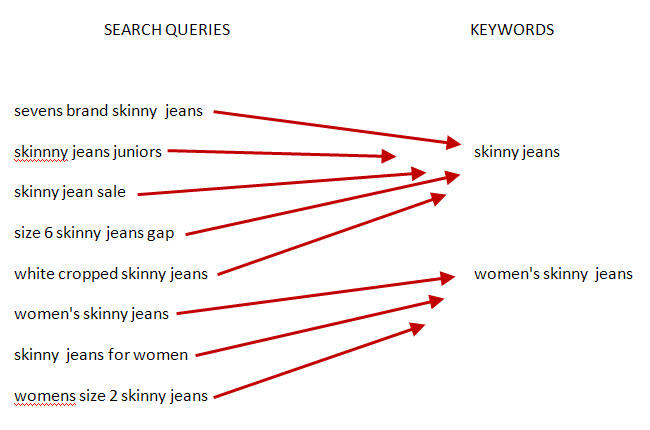
Sometimes referred to as "keyword phrases," keywords are the topics that webpages get indexed for in search results by engines like Google, Yahoo, and Bing.
Picking keywords that you’ll optimize a webpage for is a two-part effort. First, you’ll want to ensure the keyword has significant search volume and is not too difficult to rank for. Then, you’ll want to ensure it aligns with your target audience
After deciding the appropriate keywords you want to rank for, you’ll then need to optimize the appropriate pages on your website using both on-page and off-page tactics. What are those, you ask? Skip to “O” to find out -- but don’t tell “L”, “M”, or “N”! (Learn how to do keyword research for SEO here.)
L
48. Landing Page
A landing page is a website page containing a form that is used for lead generation. This page revolves around a marketing offer, such as an ebook or a webinar, and serves to capture visitor information in exchange for the valuable offer. Landing pages are the gatekeepers of the conversion path and are what separates a website visitor from becoming a lead.
A smart inbound marketer will create landing pages that appeal to different personae (plural for persona) at various stages of the buying process. A hefty endeavor no doubt, but one that pays off in spades. (Download this ebook to learn more about landing pages and how to optimize them.)
49. Lead
A person or company who's shown interest in a product or service in some way, shape, or form. Perhaps they filled out a form, subscribed to a blog, or shared their contact information in exchange for a coupon.
Generating leads is a critical part of a prospect's journey to becoming a customer, and it falls in between the second and third stages of the larger inbound marketing methodology, which you can see below.

Landing pages, forms, offers, and calls-to-action are just a few tools to help companies generate leads. (Learn more about lead generation here.)
50. Lead Nurturing
Sometimes referred to as “drip marketing,” lead nurturing is the practice of developing a series of communications (emails, social media messages, etc.) that seek to qualify a lead, keep it engaged, and gradually push it down the sales funnel. Inbound marketing is all about delivering valuable content to the right audience -- and lead nurturing helps foster this by providing contextually relevant information to a lead during different stages of the buying lifecycle.
51. LinkedIn
LinkedIn is a business-oriented social networking site. Launched in May 2003, it is mainly used for professional networking. Nowadays, with more than 414 million registered members, LinkedIn is the most popular social network for professionals and one of the top social networks overall. Getting on the platform, developing a completed profile, and networking has helped many a jobseeker find work. (Click here to learn about using LinkedIn for professional networking, business, and marketing.)
52. Lifecycle Stages
These divisions serve as a way to describe the relationship you have with your audience, and can generally be broken down into three stages: awareness, evaluation, and purchase.
What's important to understand about each of these stages is that not every piece of content you create is appropriate, depending on what stage your audience might fall in at that moment. That's why dynamic content is so great -- you can serve up content that's appropriate for whatever stage that particular visitor is in. (Learn more about how to map content to lifecycle stages here.)
53. Lifetime Value (LTV)
A prediction of the net profit attributed to the entire future relationship with a customer. To calculate LTV, follow these steps for a given time period:
- Take the revenue the customer paid you in that time period.
- Subtract from that number the gross margin.
- Divide by the estimated churn rate (aka cancellation rate) for that customer.
For example, if a customer pays you $100,000 per year where your gross margin on the revenue is 70%, and that customer type is predicted to cancel at 16% per year, then the customer's LTV is $437,500. (Learn more here.)
54. Long-Tail Keyword
A long-tail keyword is a very targeted search phrase that contains three or more words. It often contains a head term, which is a more generic search term, plus one or two additional words that refine the search term. For example:
- Head term: unicorn
- Long-tail keywords: unicorn games online, unicorn costumes for kids, unicorn videos on YouTube
Long-tail keywords are more specific, which means visitors that land on your website from a long-tail search term are more qualified, and consequently, more likely to convert.
55. LTV:CAC
The ratio of lifetime value (LTV) to customer acquisition cost (CAC). Once you have the LTV and the CAC, compute the ratio of the two. If it costs you $100,000 to acquire a customer with an LTV of $437,500, then your LTV:CAC is 4.4 to 1.
M
56. Marketing Automation
While there’s some overlap with the term “lead nurturing,” marketing automation is a bit different. Think of marketing automation as the platform with associated tools and analytics to develop a lead nurturing strategy. If you’ll let me run with an “art” analogy, marketing automation is the paintbrush, watercolors, and blank canvas. Lead nurturing is the artist that makes it all come together. Like Bob Ross! You can’t paint a happy little nurturing campaign without both.
Bonus: Want to get super-savvy with your marketing automation terminology? Take it to the next level with behavior-based marketing automation. Behavior-based marketing automation refers to a system that triggers emails and other communication based on user activity on and off your site. It enables marketers to nurture leads and send them information only when it is most relevant to their stage in the buying cycle.
57. Microsite
A cross between a landing page and a “regular” website. ElfYourself.com is a great example. Microsites are used when marketers want to create a different online experience for their audience separate from their main website. These sites often have their own domain names and distinct visual branding. (Here's a list of 11 of the best microsite examples out there.)
58. Middle of the Funnel
This refers to the stage that a lead enters after identifying a problem. Now they’re looking to conduct further research to find a solution to the problem. Typical middle of the funnel offers include case studies or product brochures -- essentially anything that brings your business into the equation as a solution to the problem the lead is looking to solve. Also, if you want to be cool, you can refer to this stage as “MOFU” for short.
59. Mobile Marketing
With mobile search queries officially surpassing desktop queries, now is probably the time to explore mobile marketing. What is it? Well, mobile marketing refers to the practice of optimizing marketing for mobile devices to provide visitors with time- and location- sensitive, personalized information for promoting goods, services, and ideas.
60. Mobile Optimization
Mobile optimization means designing and formatting your website so that it’s easy to read and navigate from a mobile device. This can be done by either creating a separate mobile website or incorporating responsive design in initial site layout. Google's algorithm now rewards mobile-friendly websites, so if your site isn't fully optimized for mobile devices, you will likely see a hit to your ranking on mobile searches. (Learn how to make your website mobile-friendly here.)
61. Monthly Recurring Revenue (MRR)
The amount of revenue a subscription-based business receives per month. Includes MRR gained by new accounts (net new), MRR gained from upsells (net positive), MRR lost from downsells (net negative), and MRR lost from cancellations (net loss).
N
62. Native Advertising
A type of online advertising that takes on the form and function of the platform it appears on. Its purpose is to make ads feel less like ads, and more like part of the conversation. That means it's usually a piece of sponsored content that's relative to the consumer experience, isn't interruptive, and looks and feels similar to its editorial environment.
Native advertising can come in many forms, whether it's radio announcers talking favorably about a product sponsoring the show, or an article about a product or company showing up in your news source. Here are examples of some of the best native advertising out there.
63. Net Promoter Score (NPS)
A customer satisfaction metric that measures, on a scale of 0-10, the degree to which people would recommend your company to others. The NPS is derived from a simple survey designed to help you determine how loyal your customers are to your business.
To calculate NPS, subtract the percentage of customers who would not recommend you (detractors, or 0-6) from the percent of customers who would (promoters, or 9-10).
Regularly determining your company’s NPS allows you to identify ways to improve your products and services so you can increase the loyalty of your customers. Learn more about how to use NPS surveys for marketing here.
64. News Feed
A news feed is an online feed full of news sources. On Facebook, the News Feed is the homepage of users' accounts where they can see all the latest updates from their friends. (Learn all about Facebook's News Feed here.) The news feed on Twitter is called Timeline.
65. No-Follow Link
A no-follow link is used when a website does not want to pass search engine authority to another webpage. It tells search engine crawlers not to follow or pass credit to linked websites as a way to avoid association with spammy content or inadvertently violating webmaster guidelines. To varying degrees, the no-follow attribute is recognized by all major search engines, like Google, Yahoo, and Bing. Not all links (and linking domains) are created equal, and a no-follow attribute helps avoid any foul play.
O
66. Offer
Offers are content assets that live behind a form on a landing page. Their primary purpose is to help marketers generate leads for your business. There are many different types of offers you could create, including ebooks, checklists, cheat sheets, webinars, demos, templates, and tools. (If you need help putting together some high-quality offers your buyer personas will love, take some time to read over this post.)
67. On-Page Optimization
This type of SEO is based solely on a webpage and the various elements within the HTML (see “H” if you skipped here directly). Ensuring that key pieces of the specific page (content, title tag, URL, and image tags) include the desired keyword will help a page rank for that particular phrase.
68. Off-Page Optimization
This is the free-spirited cousin of on-page optimization. Off-page SEO refers to incoming links and other outside factors that impact how a webpage is indexed in search results. Factors like linking domains and even social media play a role in off-page optimization. The good news is that it’s powerful; the not so good news is that it’s mostly out of an inbound marketer’s control. The solution? Create useful, remarkable content and chances are people will share and link to it.
P
69. Page View
A request to load a single web page on the internet. Marketers use them to analyze their website and to see if any change on the webpage results in more or fewer page views.
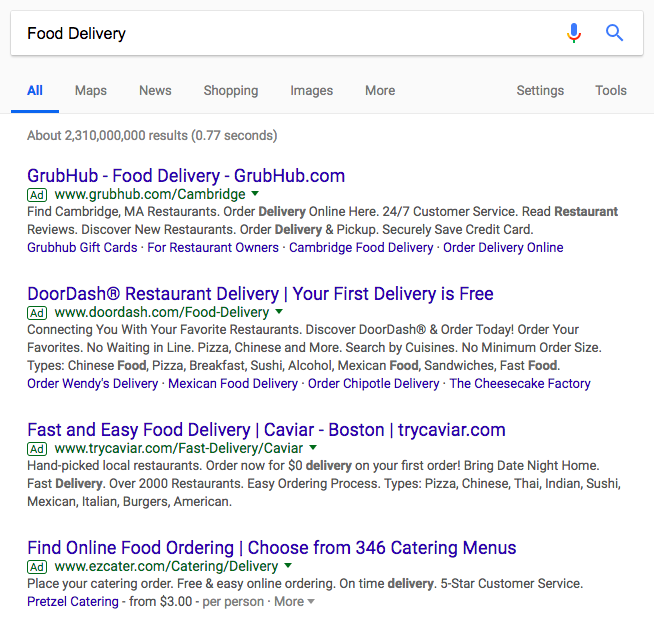
70. Pay-per-Click (PPC)
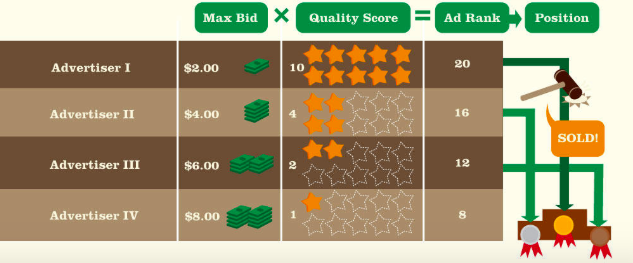
The amount of money spent to get a digital advertisement clicked. Also an internet advertising model where advertisers pay a publisher (usually a search engine, social media site, or website owner) a certain amount of money every time their ad is clicked. For search engines, PPC ads display an advertisement when someone searches for a keyword that matches the advertiser's keyword list, which they submit to the search engine ahead of time.
PPC ads are used to direct traffic to the advertiser's website, and PPC is used to assess the cost effectiveness and profitability of your paid advertising campaigns.
There are two ways to pay for PPC ads:
- Flat rate: where the advertiser and publisher agree on a fixed amount that will be paid for each click. Typically this happens when publishers have a fixed rate for PPC in different areas on their website.
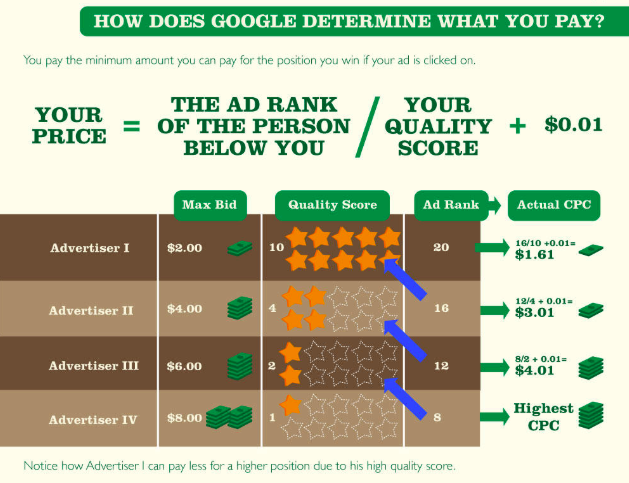
- Bid-based: where the advertiser competes against other advertisers in an advertising network. In this case, each advertiser sets a maximum spend to pay for a given ad spot, so the ad will stop appearing on a given website once that amount of money is spent. It also means that the more people that click on your ad, the lower PPC you'll pay and vice versa.
(Learn more about getting started with PPC here.)
71. Pinterest
Pinterest is a visual social network typically used by ecommerce marketers, but not without its fair share of top-notch B2B and B2C content marketers. Businesses and consumers alike use the website to post images and photos they like so fellow users can repin (share) that content.
Not every company has taken advantage of this site yet. If you're one of them, we advise you check out this free guide to Pinterest for business.)
72. PPC
PPC, (or Pay-Per-Click) is an advertising technique in which an advertiser puts an ad in an advertising venue (like Google AdWords or Facebook), and pays that venue each time a visitor clicks on the ad. I couldn’t think of anything witty to place at the end of this definition, so let’s move on to “Q.”
Q
73. Qualified Lead
A contact that opted in to receive communication from your company, became educated about your product or service, and is interested in learning more. Marketing and Sales often have two different versions of qualified leads (MQLs for Marketing, and SQLs for Sales), so be sure to have conversations with your sales team to set expectations for the types of leads you plan to hand over.
74. QR Code
A QR code (abbreviated from Quick Response code) is a specific matrix barcode (or two-dimensional code) that is readable by dedicated QR barcode readers and camera telephones. The code consists of black modules arranged in a square pattern on a white background. The information encoded may be text, URL, or other data. It also starts with “Q,” which is a rarity with marketing-related terms. (Learn how to create a QR Code here.)
R
75. Responsive Design
This is the practice of developing a website that adapts accordingly to how someone is viewing it. Instead of building a separate, distinct website for each specific device it could be viewed on, the site recognizes the device that your visitor is using and automatically generates a page that is responsive to the device the content is being viewed on -- making websites always appear optimized for screens of any dimension. (Learn how responsive design works here.)
76. Return on Investment (ROI)
A performance measure used to evaluate the efficiency and profitability of an investment, or to compare the efficiency and profitability of multiple investments. The formula for ROI is: (Gain from Investment minus Cost of Investment), all divided by (Cost of Investment). The result is expressed as a percentage or ratio. If ROI is negative, then that initiative is losing the company money. The calculation can vary depending on what you input for gains and costs.
Today, marketers want to measure the ROI on every tactic and channel they use. Many facets of marketing have pretty straightforward ROI calculations (like PPC), but others are more difficult (like content marketing).
77. Retweet
A re-posting of a tweet posted by another user on Twitter. Retweets look like normal tweets except for the retweet icon. They can be done in three ways:
1) You can retweet an entire tweet by clicking the retweet button, indicated below.

2) You can post a new tweet that includes your own commentary. In a new tweet, which also features the original tweet. It means you've pressed the rotating arrow icon to retweet a post, and then added a comment in the text box provided. We prefer this method of retweeting because it allows you to add your own thoughts. (Note: The retweet takes up 24 characters, leaving you with 116 characters for the comment.)

3) You can post a new tweet that includes your own commentary in addition to the information you're retweeting. The formula is this: Your own commentary + RT + the original tweeter's Twitter handle + colon + the exact text from their original tweet. This method of retweeting allows you to add your own thoughts, but with a very limited character count.

When you see "Please RT" in someone's tweet, it means they are requesting that their followers retweet that tweet to spread awareness. (Learn more about retweets here.)
S
78. Search Engine Optimization (SEO)
The practice of enhancing where a webpage appears in search results. By adjusting a webpage's on-page SEO elements and influencing off-page SEO factors, an inbound marketer can improve where a webpage appears in search engine results.
There are a ton of components to improving the SEO of your site pages. Search engines look for elements including title tags, keywords, image tags, internal link structure, and inbound links -- and that's just to name a few. Search engines also look at site structure and design, visitor behavior, and other external, off-site factors to determine how highly ranked your site should be in the search engine results pages. (Learn more about SEO here.)
79. Sender Score
An email marketing term that refers to a reputation rating from 0-100 for every outgoing mail server IP address. Mail servers will check your Sender Score before deciding what to do with your emails. A score of over 90 is good. (Learn more about sender score and email deliverability here.)
80. Service Level Agreement (SLA)
For marketers, an SLA is an agreement between a company's sales and marketing teams that defines the expectations Sales has for Marketing and vice versa. The Marketing SLA defines expectations Sales has for Marketing with regards to lead quantity and lead quality, while the Sales SLA defines the expectations Marketing has for Sales on how deeply and frequently Sales will pursue each qualified lead.
SLAs exist to align sales and marketing. If the two departments are managed as separate silos, the system fails. For companies to achieve growth and become leaders in their industries, it is critical that these two groups be properly integrated. Learn how to create an SLA here.
81. Small-to-Medium Business (SMB)
Usually defined as companies that have between 10 and 500 employees.
82. Smarketing
A fun phrase used to refer to the practice of aligning Sales and Marketing efforts. In a perfect world, marketing would pass off tons of fully qualified leads to the sales team, who would then subsequently work every one of those leads enough times to close them 100% of the time. But since this isn't always how the cookie crumbles, it’s important for Marketing and Sales to align efforts to impact the bottom line the best they can through coordinated communication. (Download our free guide to unifying your sales and marketing efforts here.)
83. Snapchat
A social app that allows users to send and receive time-sensitive photos and videos known as "snaps," which are hidden from the recipients once the time limit expires. (Note: Images and videos still remain on the Snapchat server). Users can add text and drawings to their snaps and control the list of recipients in which they send them to.
A Snapchat story is a string of Snapchats that lasts for 24 hours. Users can create stories to be shared with all Snapchatters or just a customized group of recipients. (Learn more about how businesses are using Snapchat here.)
84. Social Media
Social media is media designed to be disseminated through social interaction, created using highly accessible and scalable publishing techniques. Facebook, Twitter, YouTube, LinkedIn and Google+ are examples of social media networks that one can join for personal or business use. Social Media is a core component of Inbound, as it provides marketers with additional channels to spread reach, increase growth, and reach business goals.
85. Social Proof
Social proof refers to a psychological phenomenon in which people seek direction from those around them to determine how they are supposed to act or think in a given situation. It's like when you see a really long line outside a nightclub and assume that club is really good because it's in such high demand. In social media, social proof can be identified by the number of interactions a piece of content receives or the number of followers you have. The idea is that if others are sharing something or following someone, it must be good. (Learn some tips for adding social proof to your landing pages here.)
86. Software-as-a-Service (SaaS)
Any software that is hosted by another company, which stores your information in the cloud. Examples: HubSpot, Salesforce, IM clients, and project management applications. (Here are some examples of SaaS companies with exceptional marketing.)
T
87. Top of the Funnel
Sometimes called “TOFU”, top of the funnel refers to the very first stage of the buying process. Leads at this stage are just identifying a problem that they have and are looking for more information. As such, an inbound marketer will want to create helpful content that aids leads in identifying this problem and providing next steps toward a solution. TOFU is also very tasty in certain Thai dishes.
88. Twitter
For the sake of creativity, I’ll define Twitter in 140 characters or less: "Twitter is a platform that allows users to share 140-character long messages publicly. User can follow one another and be followed back." There you have it -- a tweetable definition of Twitter.
U
89. Unique Visitor
A person who visits a website more than once within a period of time. Marketers use this term in contrast with overall site visits to track the amount of traffic on their website. If only one person visits a webpage 30 times, then that web page has one UV and 30 total site visits.
90. URL
This is short for Uniform Resource Locator. I honestly didn’t know that before writing this definition. Basically, this is the address of a piece of information that can be found on the web such as a page, image, or document (ex. http://bit.ly/1QOwbKL). URLs are important for on-page SEO, as search engines scour the included text when mining for keywords. If a keyword you’re looking to get indexed for is in the URL, you’ll get brownie points from search engines (but no real brownies, unfortunately).
91. User Experience (UX)
The overall experience a customer has with a particular business, from their discovery and awareness of the brand all the way through their interaction, purchase, use, and even advocacy of that brand. To deliver an excellent customer experience, you have to think like a customer, or better, think about being the customer. Learn more here.
92. User Interface (UI)
A type of interface that allows users to control a software application or hardware device. A good user interface provides a user-friendly experience by allowing the user to interact with the software or hardware in an intuitive way. It includes a menu bar, toolbar, windows, buttons, and so on. Learn how to create a user-friendly website registration process here.
V
93. Viral Content
This term is used to describe a piece of content that has become wildly popular across the web through sharing. Oftentimes, folks don’t know a piece they’re creating will be viral until it actually does, which is usually unfortunate if it’s particularly embarrassing.
W
94. Website
A website is a set of interconnected webpages, usually including a homepage, generally located on the same server, and prepared and maintained as a collection of information by a person, group, or organization. An inbound marketer should structure a website like a dynamic, multi-dimensional entity that can be used to attract relevant website visitors, convert those visitors into leads, and close those leads into customers. Otherwise, it’s just a brochure -- and let’s be honest -- could you really use another brochure?
95. Word-of-Mouth (WOM)
The passing of information from person to person. Technically, the term refers to oral communication, but today it refers to online communication, as well. WOM marketing is inexpensive, but it takes work and involves leveraging many components of inbound marketing like product marketing, content marketing, and social media marketing. (Learn more about creating a powerful WOM marketing strategy here.)
96. Workflow
A workflow is another way to describe a lead nurturing campaign. It’s a set of triggers and events that move a lead through the nurturing process. A workflow can also serve other purposes, such as adjust contact properties on a lead record based on certain conditions, or adding a contact record to a certain list. Regardless of how you use it, workflows can be a very powerful asset in an inbound marketing strategy.
X
97. XML Sitemap
We couldn’t leave “X” out of the party! An XML sitemap is a file of code that lives on your web server and lists all of the relevant URLs that are in the structure of your website. It's kind of like a "floor plan" for the site, which especially comes in handy whenever the site gets changed. It also helps search engine web crawlers determine the structure of the site so they can crawl it more intelligently.
Sitemaps don't guarantee all links will be crawled, and being crawled does not guarantee indexing. However, a sitemap is still the best insurance for getting a search engine to learn about your entire site. It’s sort of like saying “Hey, Google -- check out this fine website.” (Learn more about XML sitemaps and how to create one here.)
Y
98. YouTube
YouTube is a video-sharing website on which users can upload, share, and view videos. Three former PayPal employees created YouTube in February 2005. In November 2006, YouTube, LLC was bought by Google Inc. for $1.65 billion, and is now operated as a subsidiary of Google. YouTube is the largest video-sharing site in the world and you’re probably on it now instead of finishing up this post.
Z
99. Zilch
We couldn’t think of anything for "Z." So I ask you dear readers: What inbound marketing related topic should we define that begins with the letter "Z"?

 http://bit.ly/2OGvg5w




 http://bit.ly/2hA6QKK

 http://bit.ly/2LKweQA
 Image courtesy of
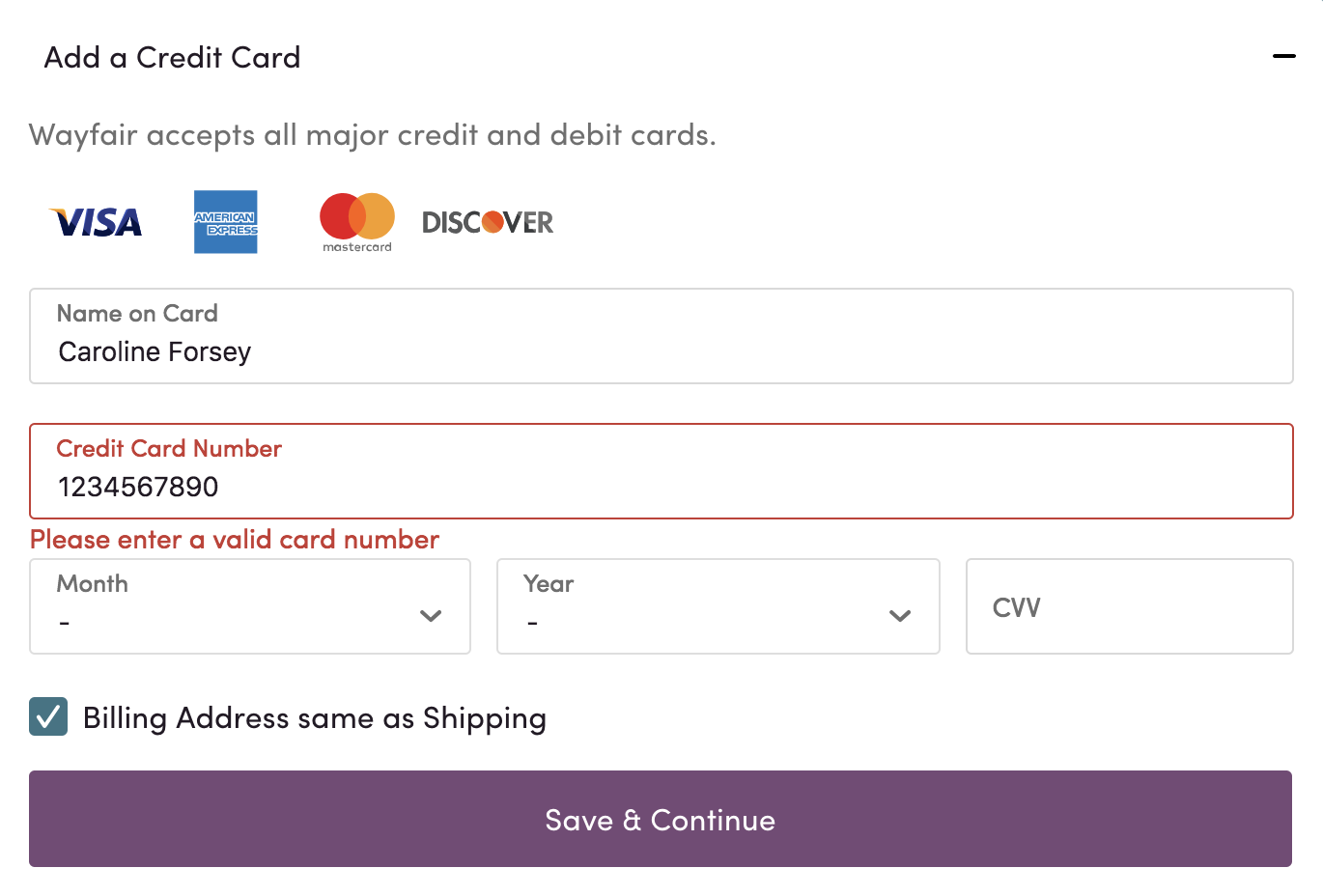 Image courtesy of
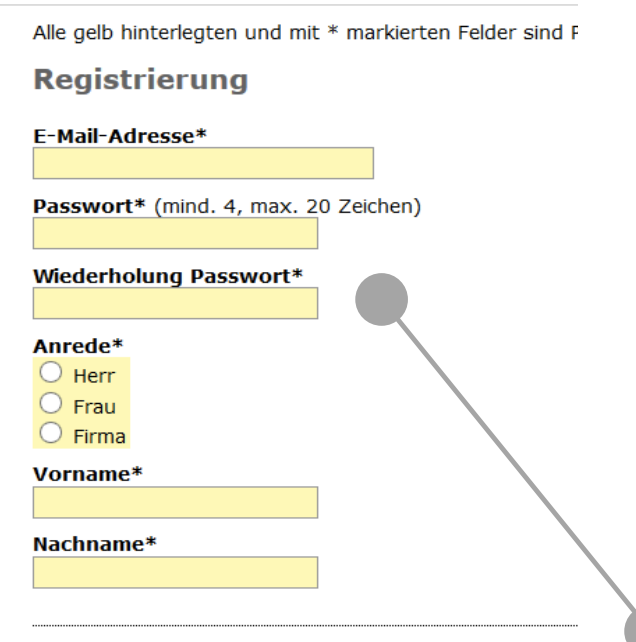 Image courtesy of
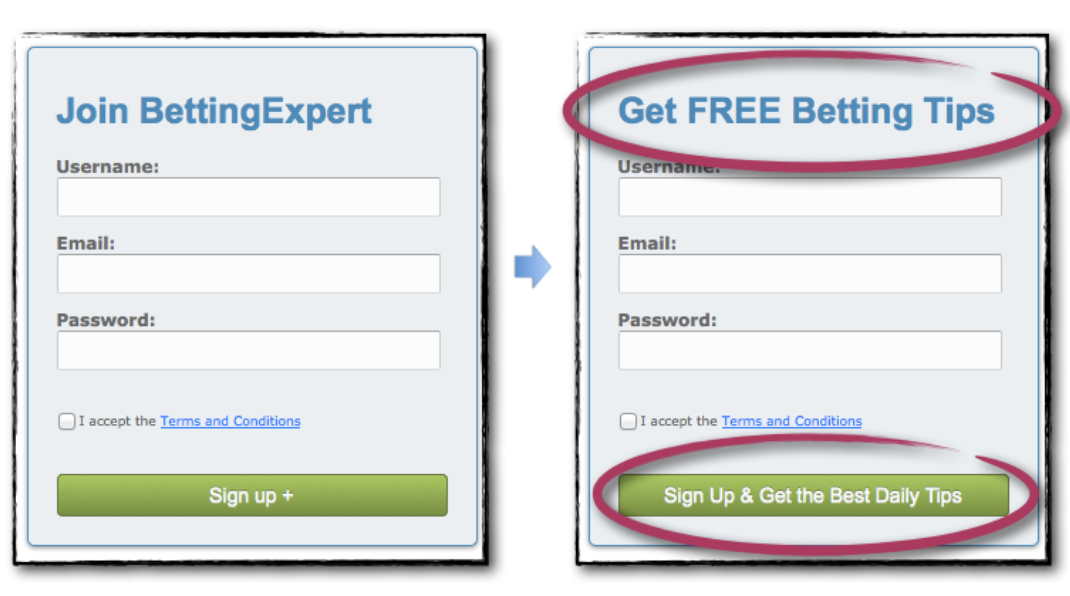 Image courtesy of
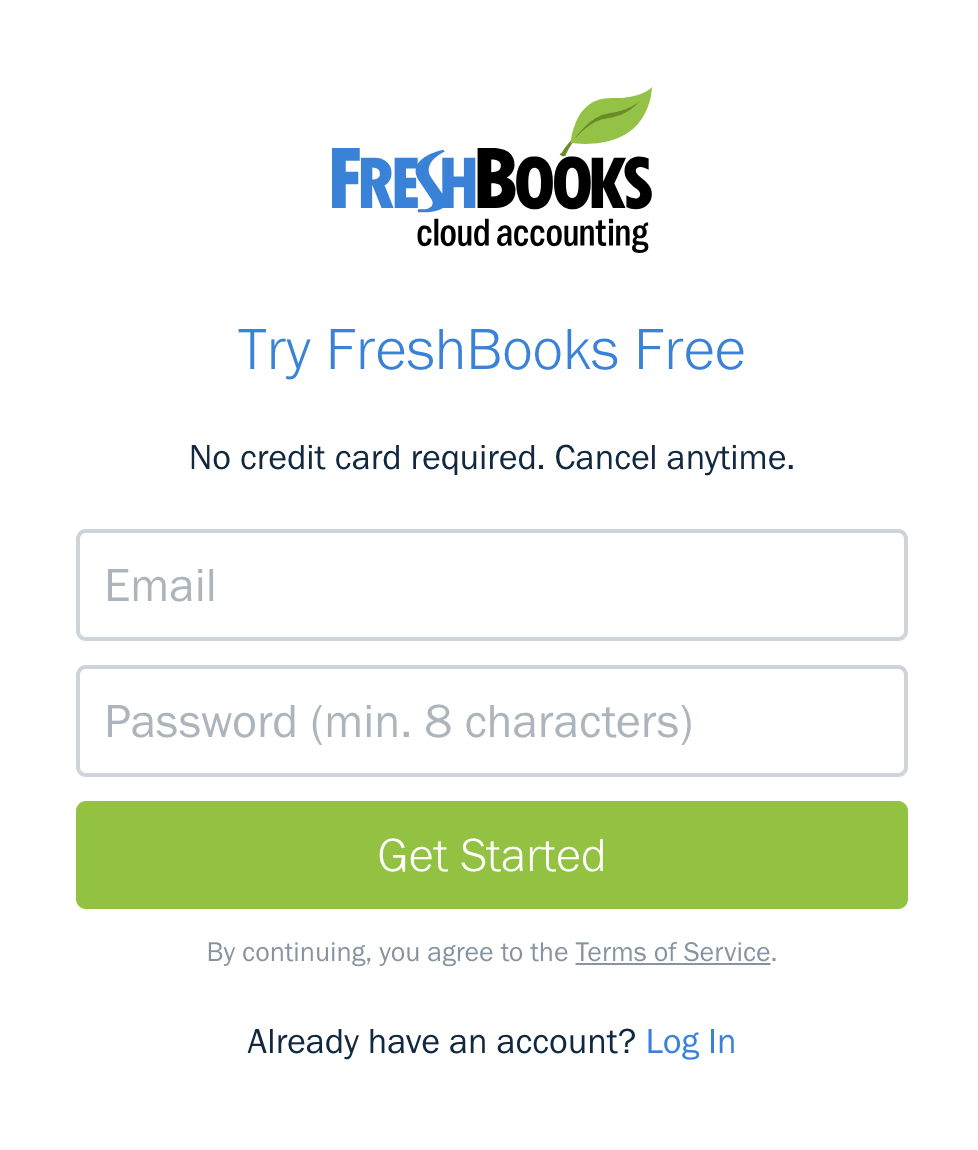 Image courtesy of
 http://bit.ly/2vw1KXF

 http://bit.ly/2O5ONvt