Friday, March 9, 2018

10 Things I Wish I Knew Before Building My First Facebook Messenger Bot


They say you learn more through failure than success. After building bots for a few years, I'd say I definitely agree.

While I've had a head start, I know many businesses are thinking about bots for the first time. That’s why I want to share ten things I wish I knew before I started. Learn from my mistakes and build better Facebook Messenger bots, sooner.

1. Do Fewer Things Better

Spend more time planning than building. Figure out the single most impactful function you can expose or create through Messenger.

When I first started building bots, I got carried away with all the exciting things that I could do. I didn't spend enough time focusing on the one thing that I should do. Remember, bots are a tool. You need an business application and strategy to put them to use.

2. Conversational Copywriting is Different

Talking to our friends is natural because we do it every day. It's much harder to zoom out and break down the art of how we message our friends.

We use more than words to express ourselves. Messenger supports a variety of expressive mediums, like emojis, stickers, and gifs. In 2017, users shared over 1.7 billion emojis every day on the platform. My friends say about 5% of them came from me. Figure out what's the most appropriate and delightful way to engage with your users.

3. Realize Who’s on Messenger (and Who Isn’t)

In my early days, I didn’t realize the sheer number of people that user Messenger on a regular basis. With over 1.3 billion monthly active users, it doesn't feel that far off.

It's a global behemoth, but every country has their preferred messaging app -- and it's not always Facebook Messenger. For example, WhatsApp (technically another Facebook-owned platform) dominates usage in Latin American countries. Before you commit to a platform, take the time to understand your audience and where they spend their time. You want to meet them where they already are -- not force engagement on an app they don't even use.

4. Your Bot Doesn't Need to Be a Genius Right Now

Most companies and journalists in this space have let you down. They’ve set an expectation that all-knowing AI is here -- and that your bot needs to be powered by state-of-the-art artificial intelligence in order to be valuable.

That's bullsh*t. When I first started building bots, I didn't realize that plain old IF/THEN logic trees are actually a great way to build a Messenger bot your users will enjoy engaging with. If you can read a "pick-your-path" adventure book, you can build a bot.

5. Don’t Deceive Users

Most people don't care who -- or what -- solves their problem. There's a misguided stigma that bots will always be a bad experience for users. That's not true.

It's the bots that pretend to be human that frustrate us. It only takes consumers a few questions to figure out what's going on. Make sure your users know they're talking to a bot from the very start of their interaction, and be clear about what users can and can't expect from your Messenger bot.

6. Solve for Utility, Then Delight

Your bot can -- and should -- have personality without trying to be a person. Conversational copywriting lets you weave in enjoyable experiences at every turn. But delight shouldn't be your bot's primary purpose.

I've built plenty of bots that were fun but provided no value. Those experiences taught me to focus on utility early on, not delight. Solve a real problem first and iterate on the rest over time.

7. You Can't Just Replace Your Humans With Bots

Automating everything would be a bad experience. And handling everything yourself would not be scalable. That's why humans and bots need to work together.

I learned that it starts with thinking about what you're asking the user to do. Bots are great for repeatable and predictable conversations. But when it's a delicate situation, like sales or customer care, opt for people if you can. Bots empower humans to focus more on important conversations.

8. Plan for Growth

In "Field of Dreams", Kevin Costner said "if you build it, they will come."

Great advice for building a movie baseball field, but horrible advice for marketing. The biggest problem with Messenger bots is people finding them in the first place. But it's easy to get more messages to your bot. Start with small wins, like a CTA on your website or Facebook page.

9. Everyone Expects Certain Things

No matter what purpose your bot serves, users always want the ability to unsubscribe, restart the conversation, or talk to a human. There are certain implied things that consumers expect all Messenger bots to be able to handle.

The best way to plan for these is to crack open a thesaurus and make a list of all the ways users might request these core functions. Then make sure your bot can handle them. There's nothing more frustrating for a user than not being able to unsubscribe.

10. It Will Break. A Lot.

Bots are still very new, and there's a good chance that many of your users have never talked to one before. New users might not fully understand the limitations of a bot right away, and they will it's likely that their conversation will start to stray away from how you want it to go.

Error messages are an overlooked part to building great Messenger bots. Spend time on them. Make sure they're a seamless part of the experience.

http://bit.ly/2Ft4Y1D

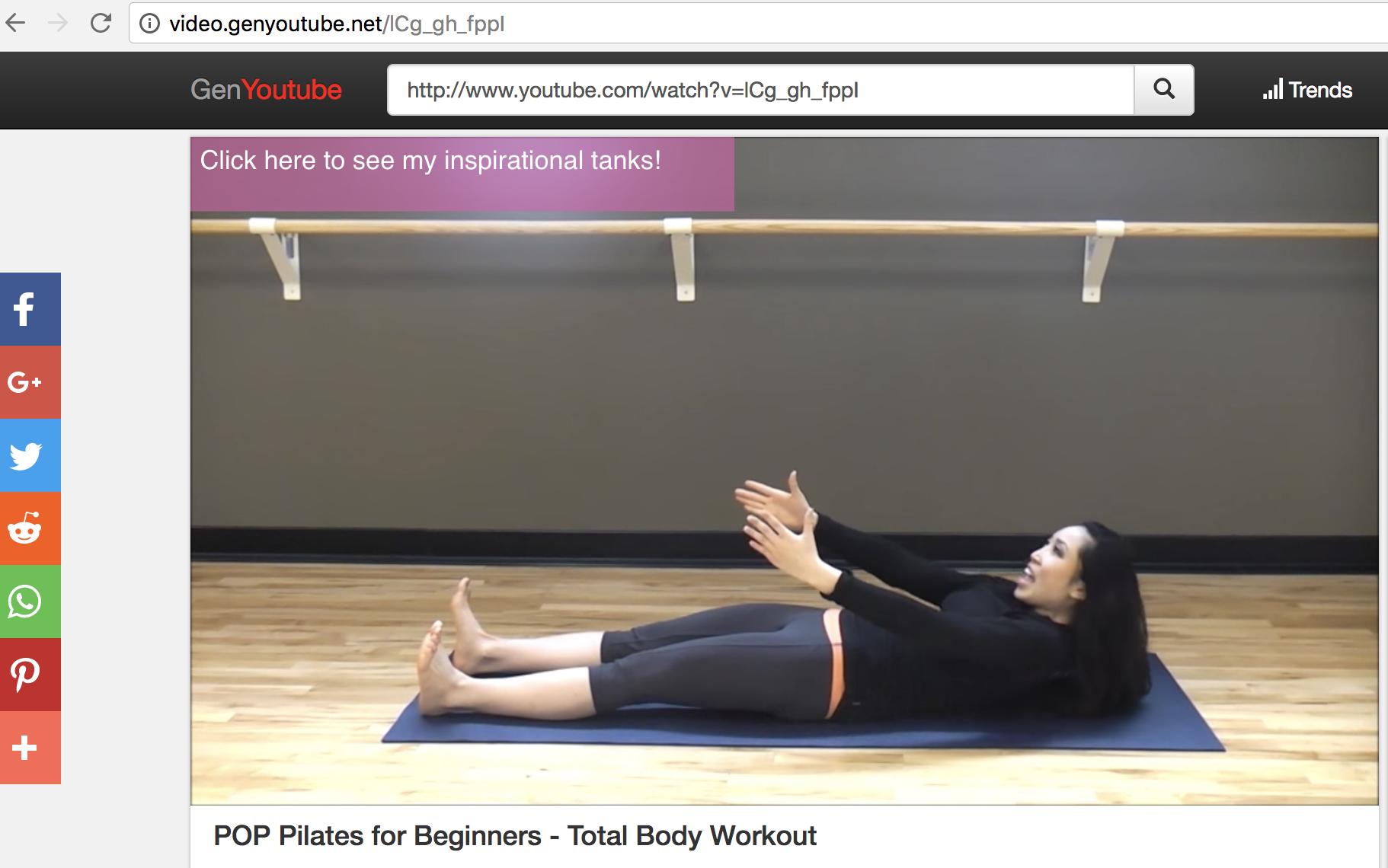
How To Download and Save YouTube Videos

You probably expect technology to be accessible everywhere. Whether you’re outside on a run, traveling somewhere by train, or in a cafe with limited wi-fi service, you don’t want to stop what you’re doing if you run into connection problems, especially if you’re in the middle of watching YouTube videos.

Which is why it doesn’t surprise me that you want to know how to download and save YouTube videos. Because, let’s face it, there’s nothing worse than losing wifi or data coverage when you’re halfway through the new Taylor Swift music video and your train goes under a tunnel (you know, as a random example … ).

By saving your favorite YouTube videos for later, you’re ensuring you can watch YouTube videos start-to-finish anywhere without any pesky obstacles like wifi or restricted data plans.

Download and save YouTube videos now = uninterrupted Taylor later.

Here, we’ll cover how you can download and save YouTube videos, on both mobile and desktop devices, to ensure you’re never without that quick entertainment fix when you need it.

Download MP4 from YouTube

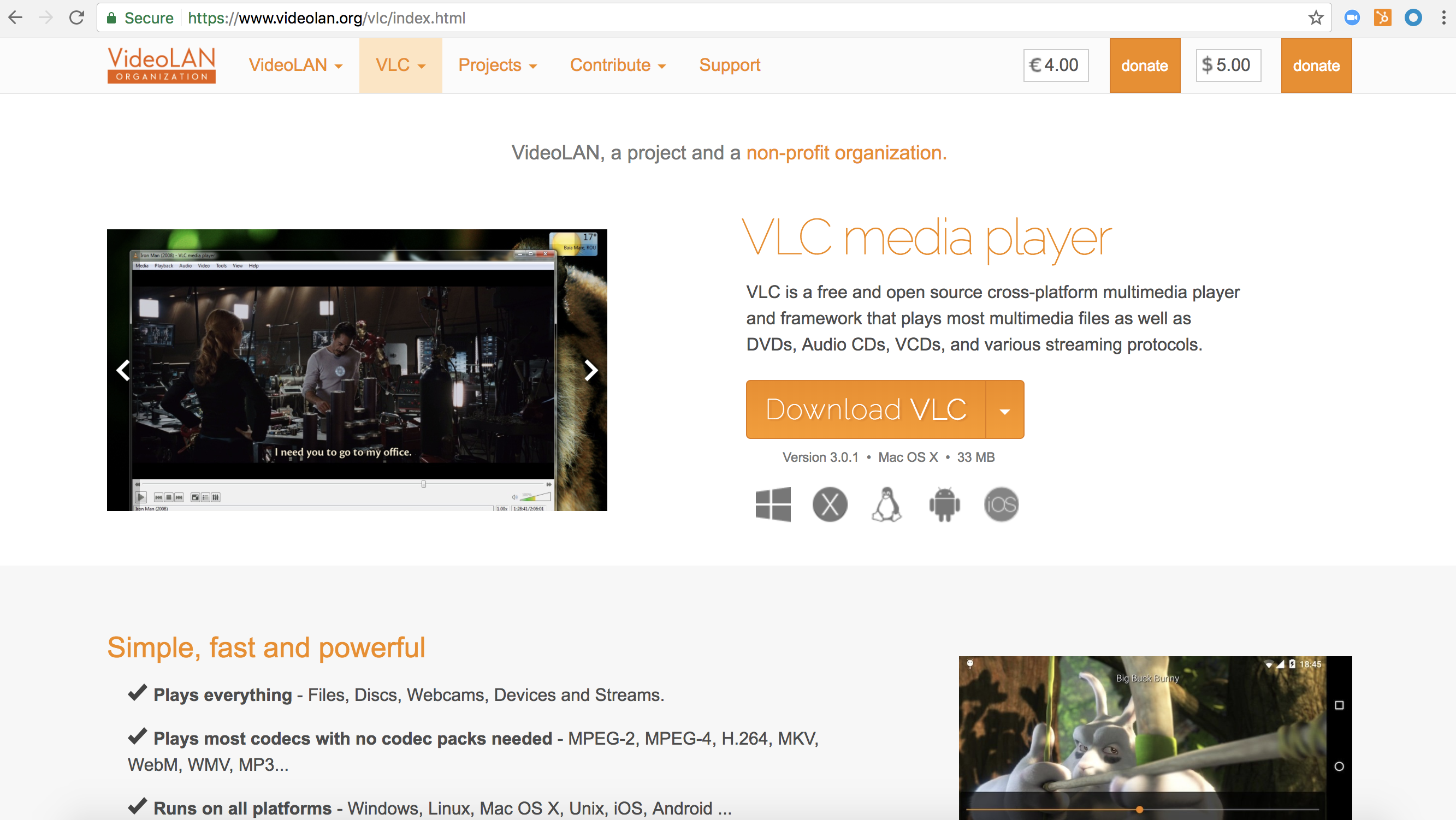
VLC, KeepVid, or MP4 Downloader Pro are all great options for downloading an MP4 video from YouTube to your desktop. Feel free to check them out to decide the best option for you. For the sake of time, I only downloaded VLC for this example.

Once you’ve downloaded VLC (click the link above and follow download instructions), follow these steps:

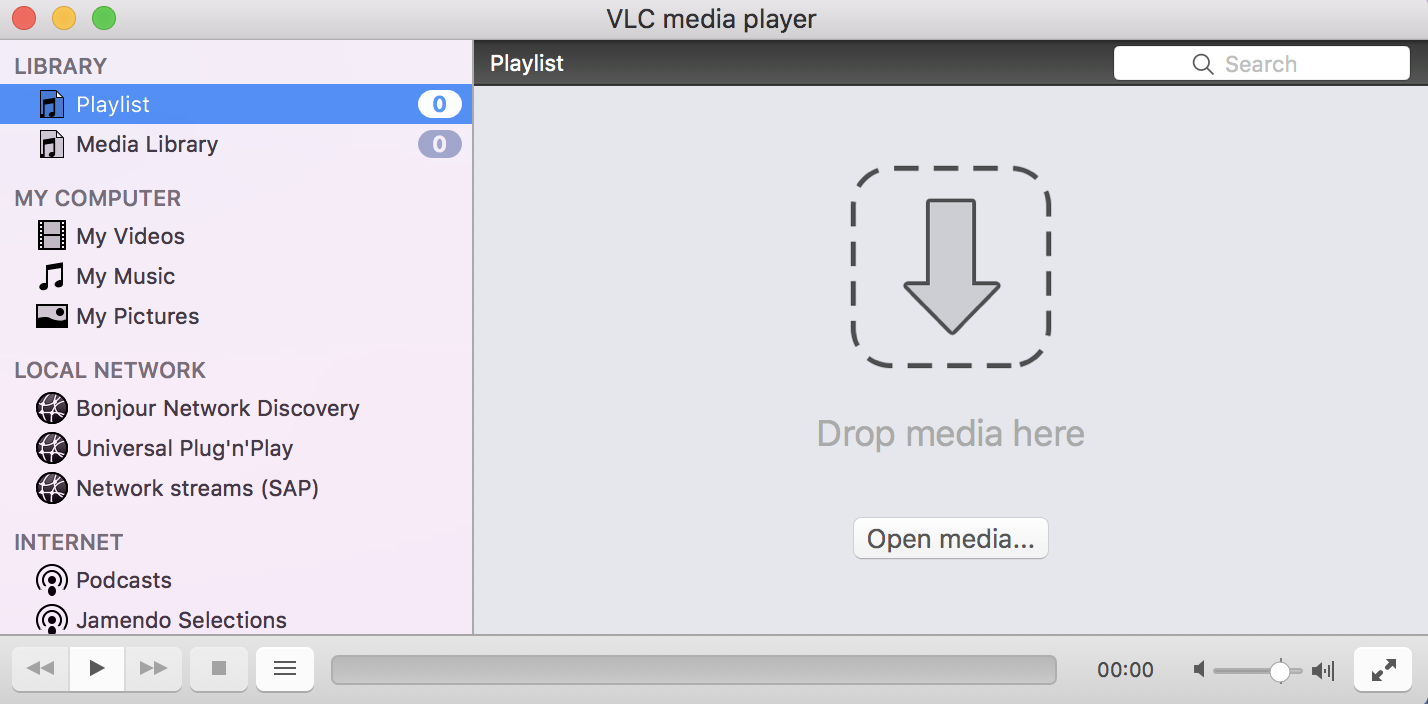
  1. Open VLC and select “Open Media.”
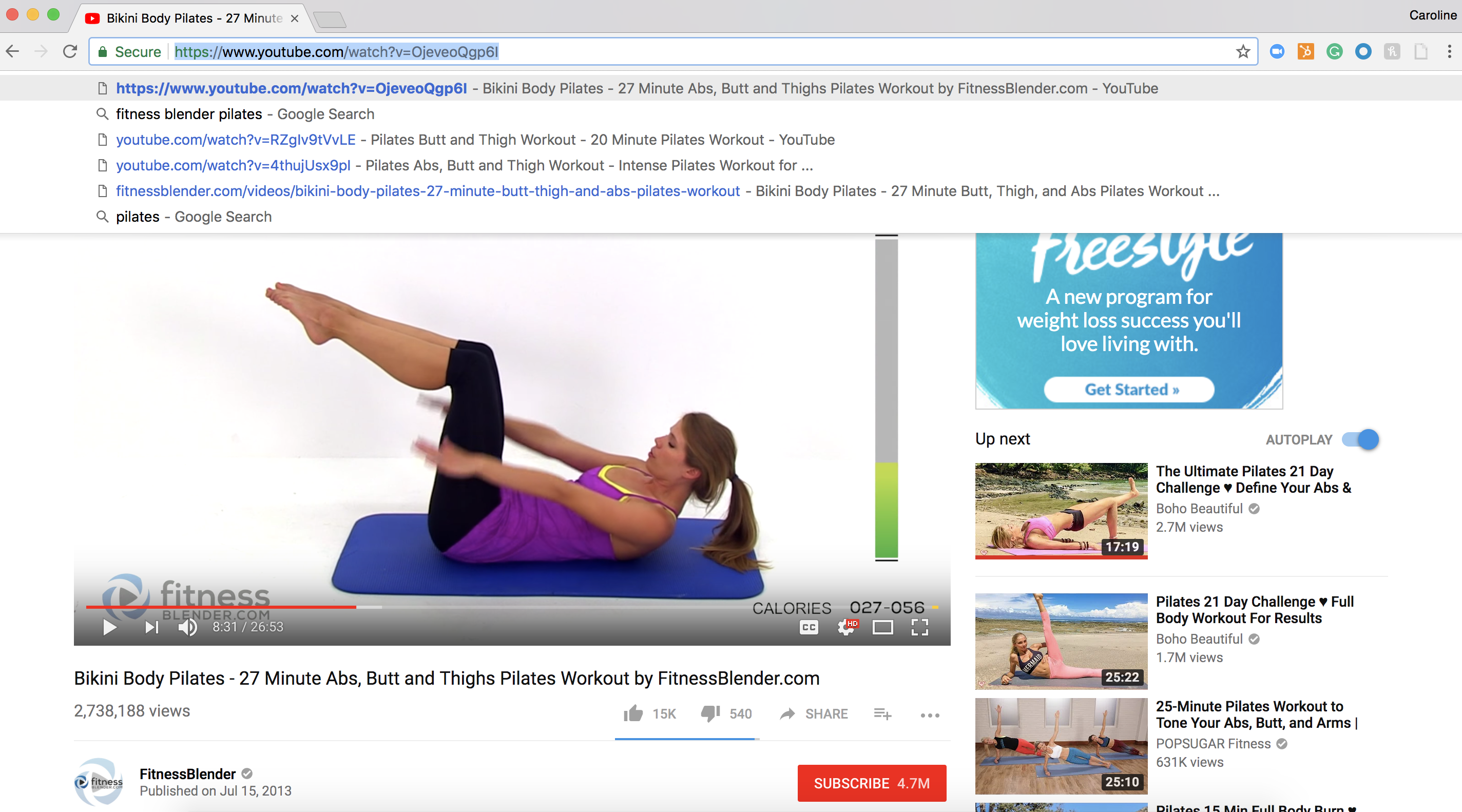
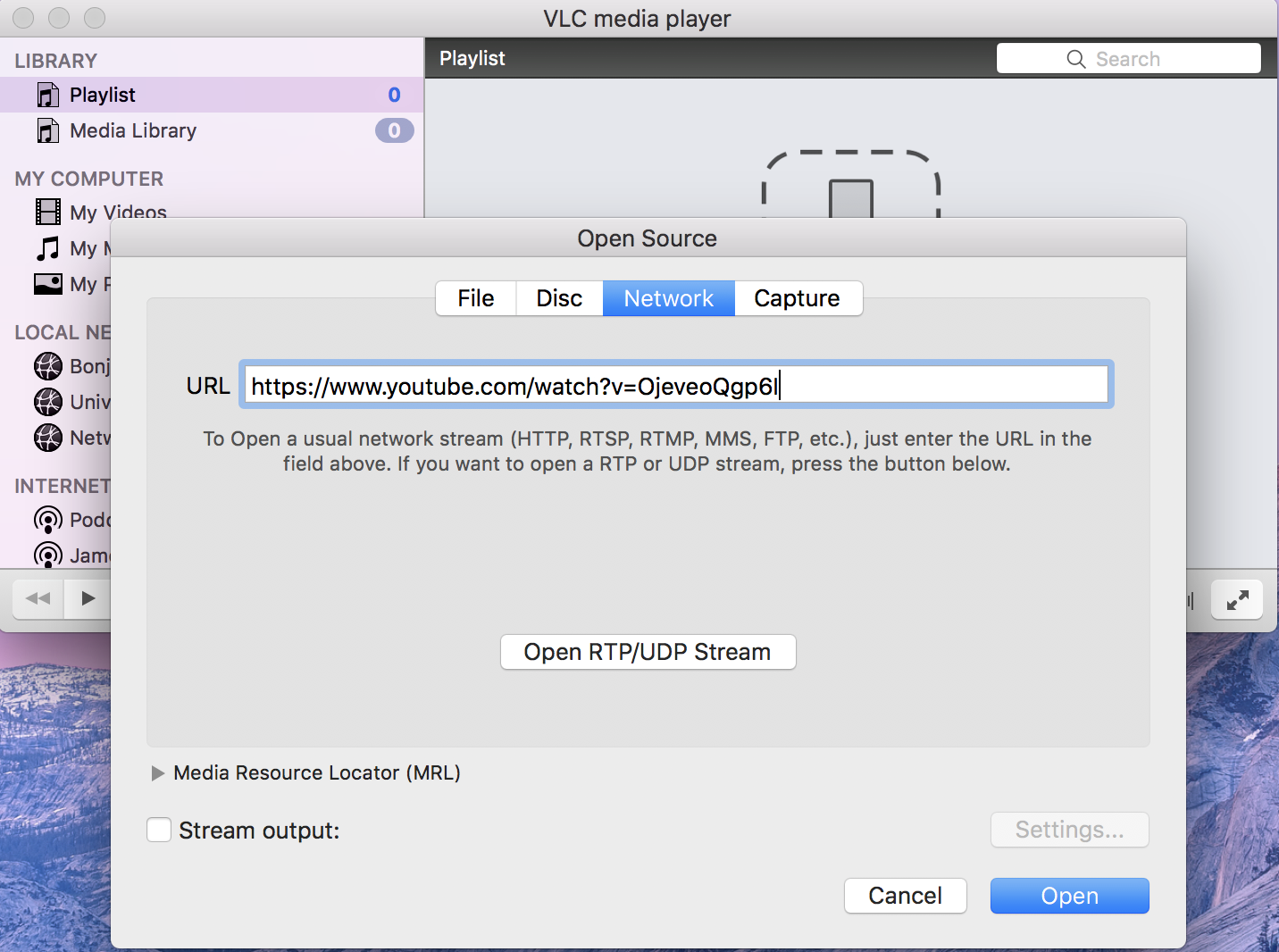
  2. Click “Network” and paste your YouTube URL.
  3. (If you’re using Windows) Select “Tools” and then “Codec Information”
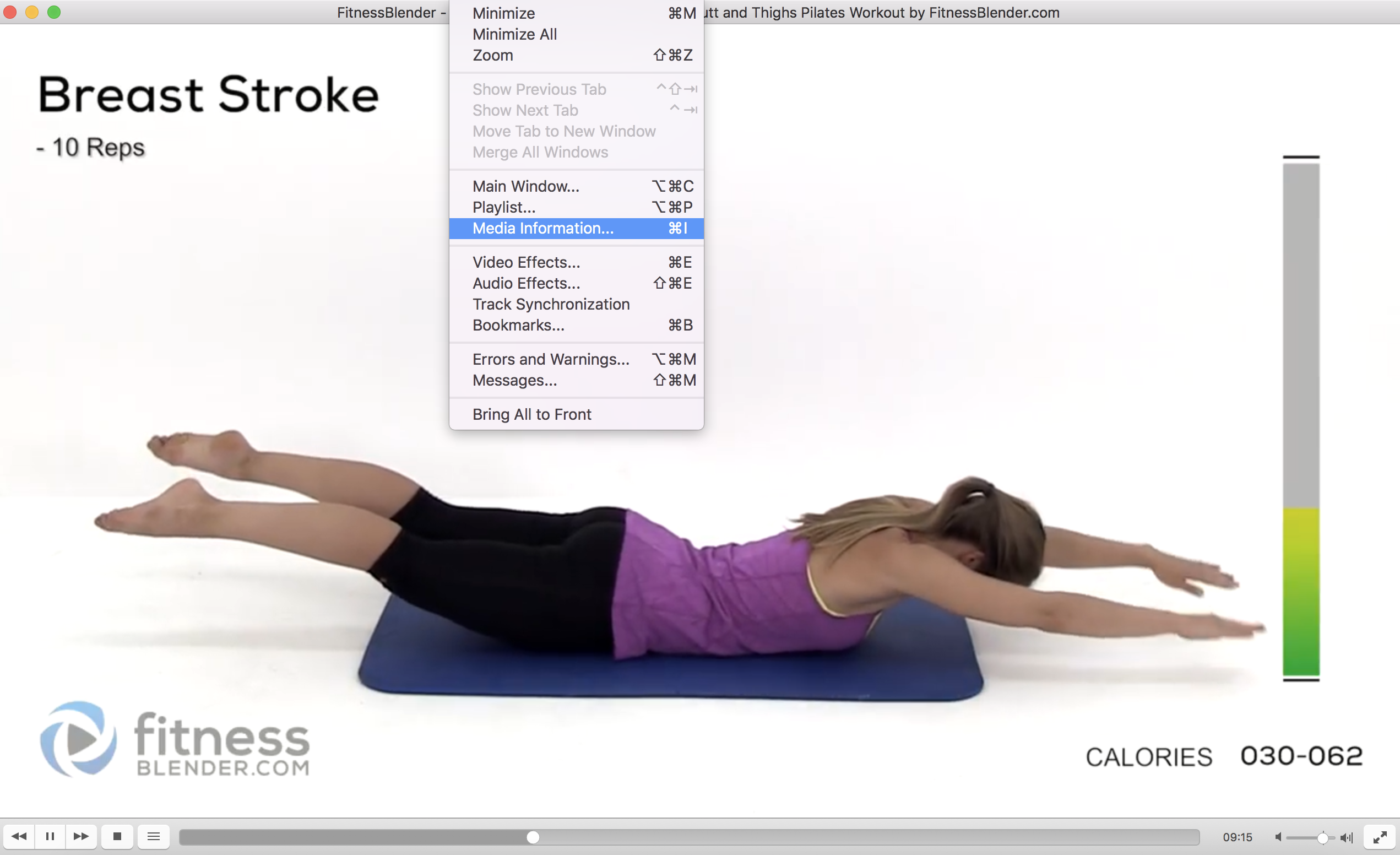
  4. (If you’re using Mac) Select “Window” and then “Media Information”
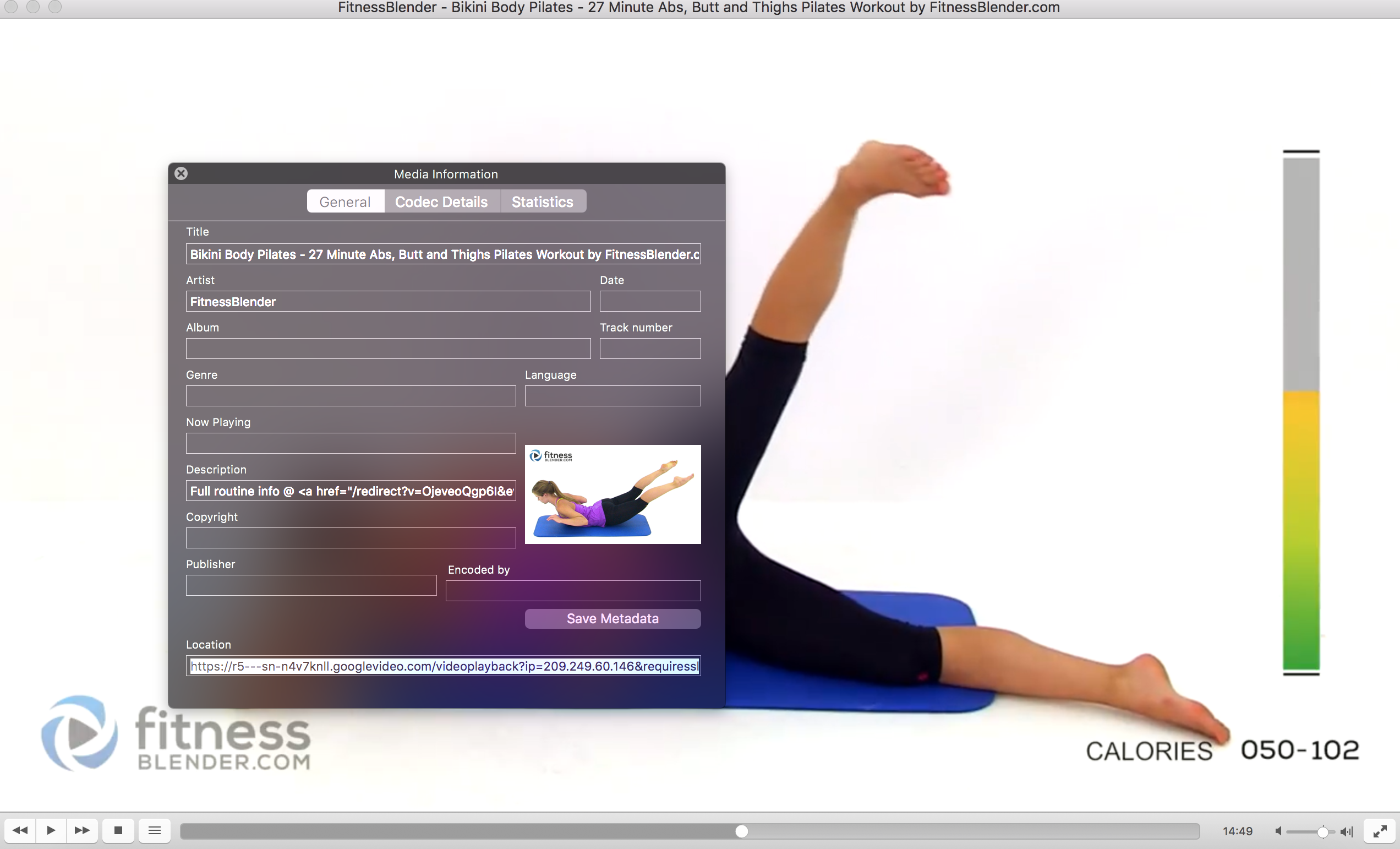
  5. Find the “Location” bar at the bottom, and copy the URL
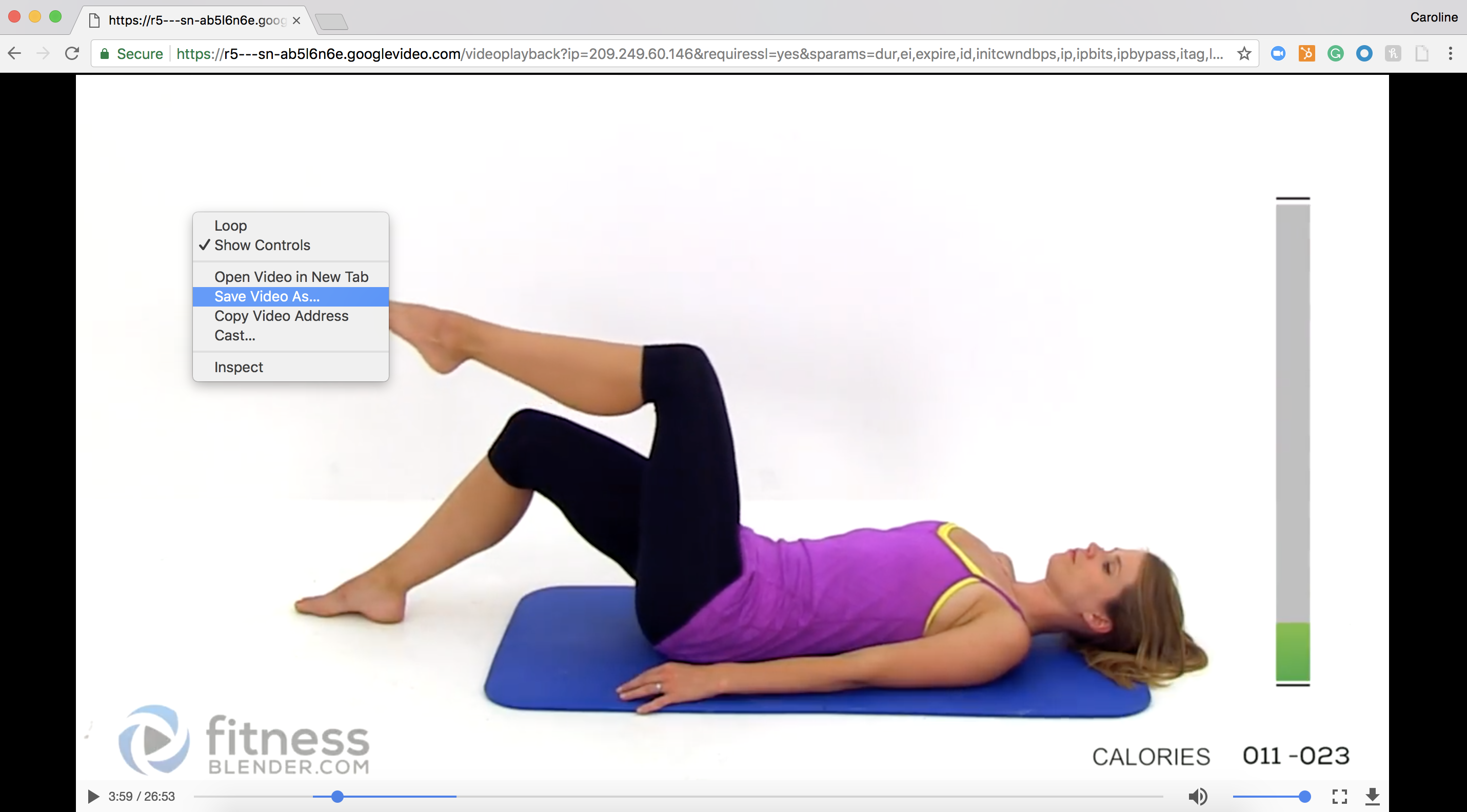
  6. Paste the URL into your browser
  7. Right click the video, and click “Save As.” Name the file and save to desired location

Transporting downloaded MP4 to Mobile Phone

I don’t know if this is the “official” way to do it, but if you want that same MP4 video on your phone, you can email it to yourself and open it up as an attachment, and you’re good to go!

stepone-1.png

step3.png

step4.png

step5.png

step6.png

step7.png

step8.png

step9.png

Download MP3 from YouTube on Desktop

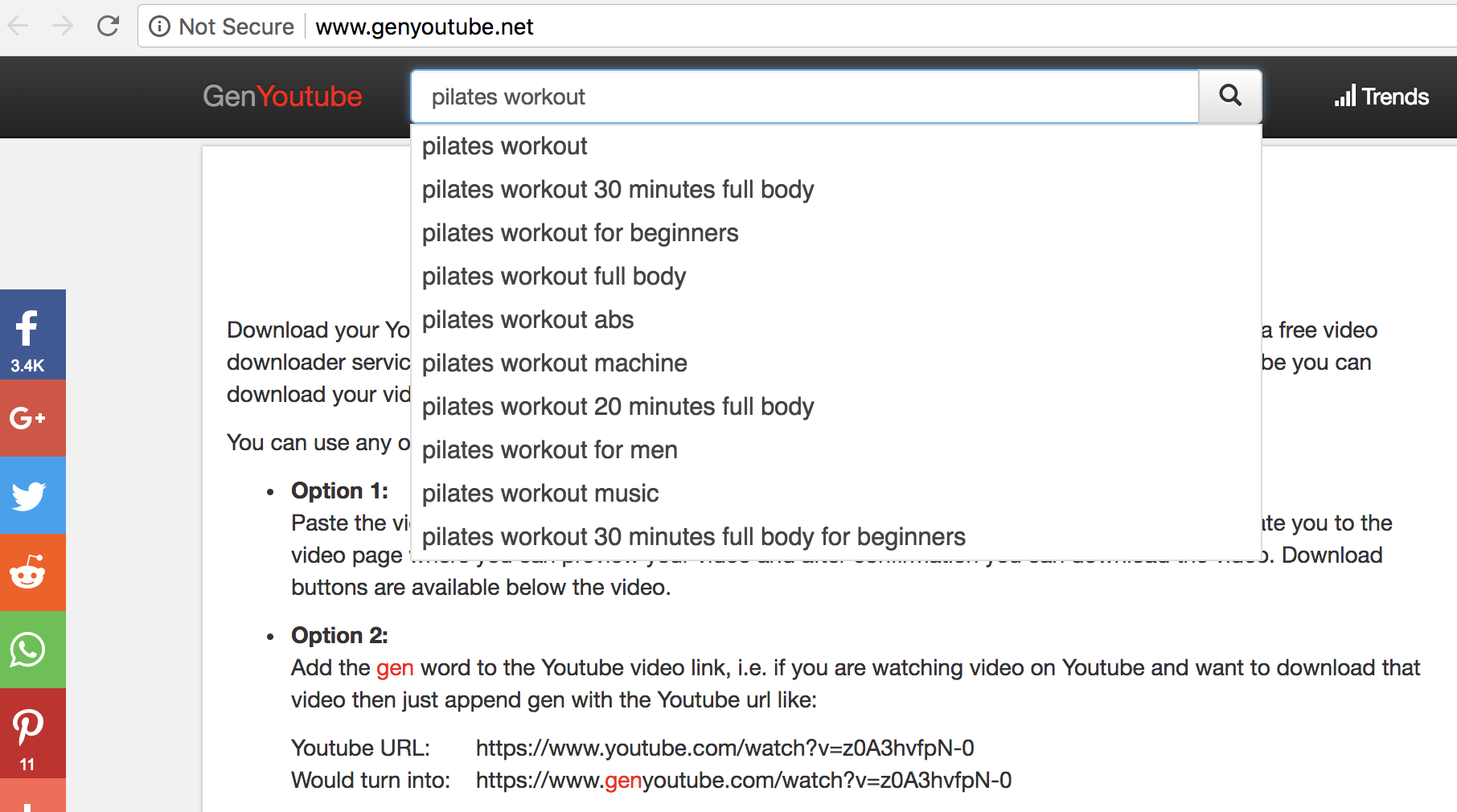
GenYouTube is the easiest and quickest way to convert YouTube videos to MP3 downloads, particularly because you can do it from the YouTube video. Here’s how:

  1. Find a video on YouTube you want to convert.
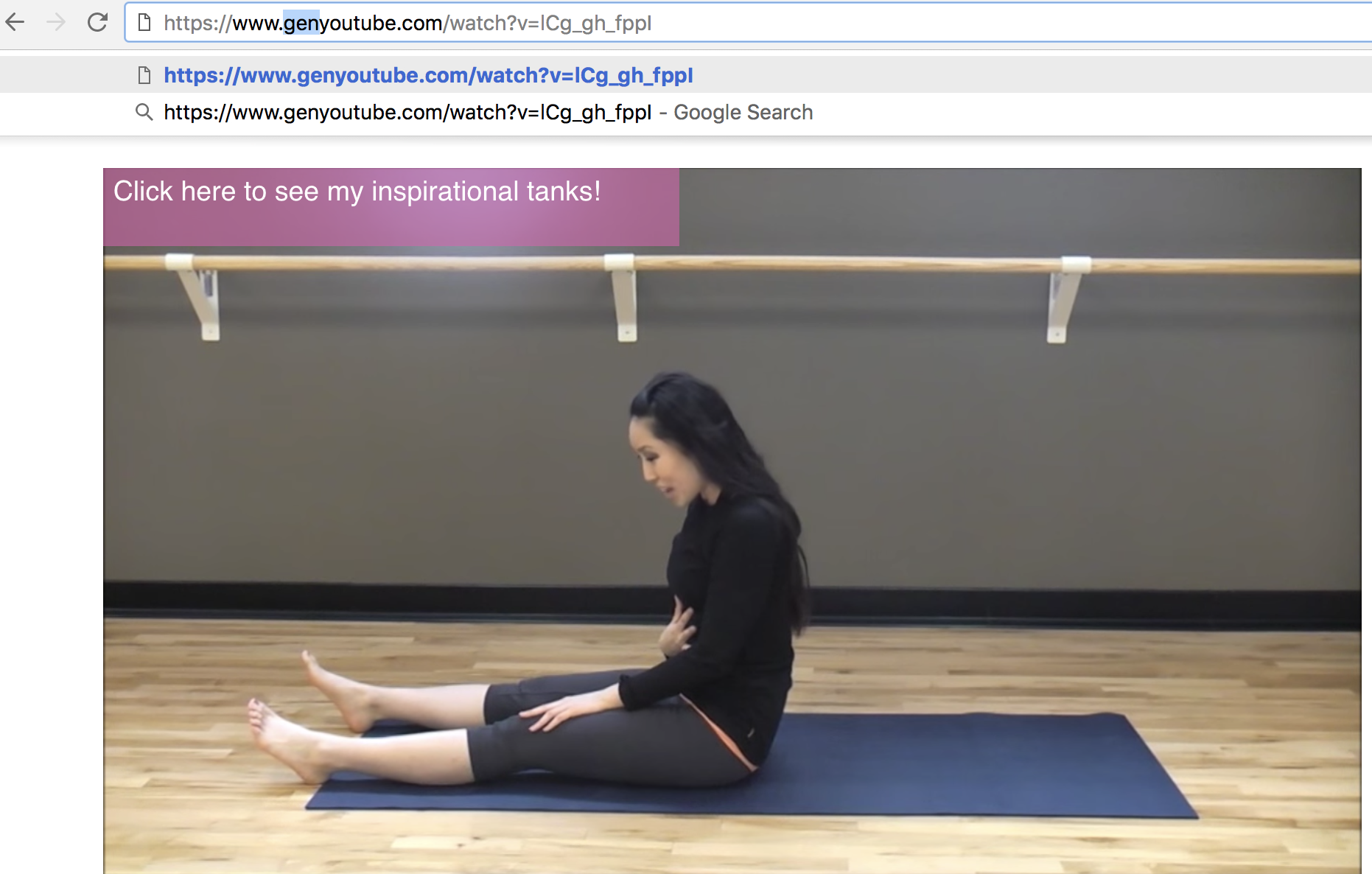
  2. In the URL, add the word “gen” right before the word YouTube (e.g. http.://www.genyoutube.com/watch?...)
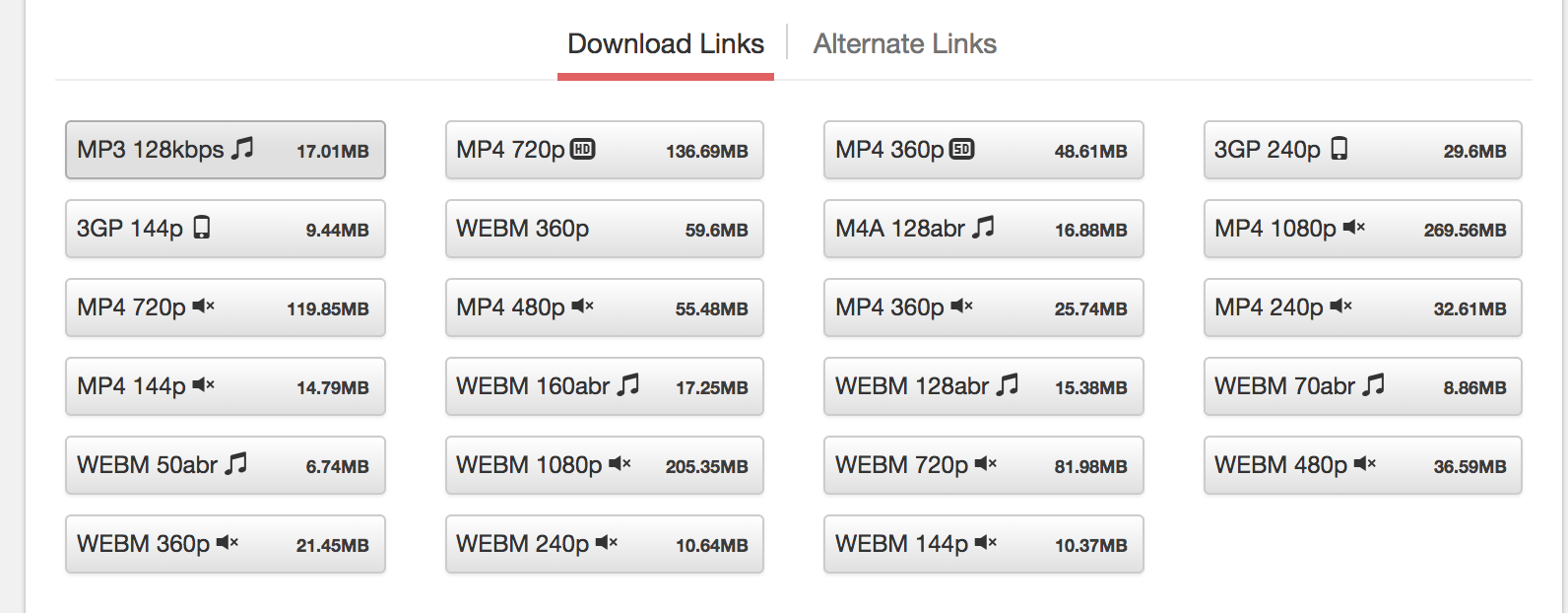
  3. This URL will lead you to the same video on GenYouTube’s page. Scroll down the page, and see your options for audio and video formats (including 3GP, WEBM, MP4, M4A).
  4. Select “MP3” to immediately start download.

Download MP3 from YouTube on Mobile Phone

You can also visit GenYouTube’s website from your mobile phone, and download from there.

Option 1 (search from YouTube): 

stepone-2.png

steptwo-2.png

stepthree-1.png

Option Two (search from GenYouTube ... then follow same instructions as above):

stepfour-3.png

And that’s it! You’re all set to listen and watch your favorite YouTube videos wherever, and whenever, you want.

http://bit.ly/2Gai5pQ

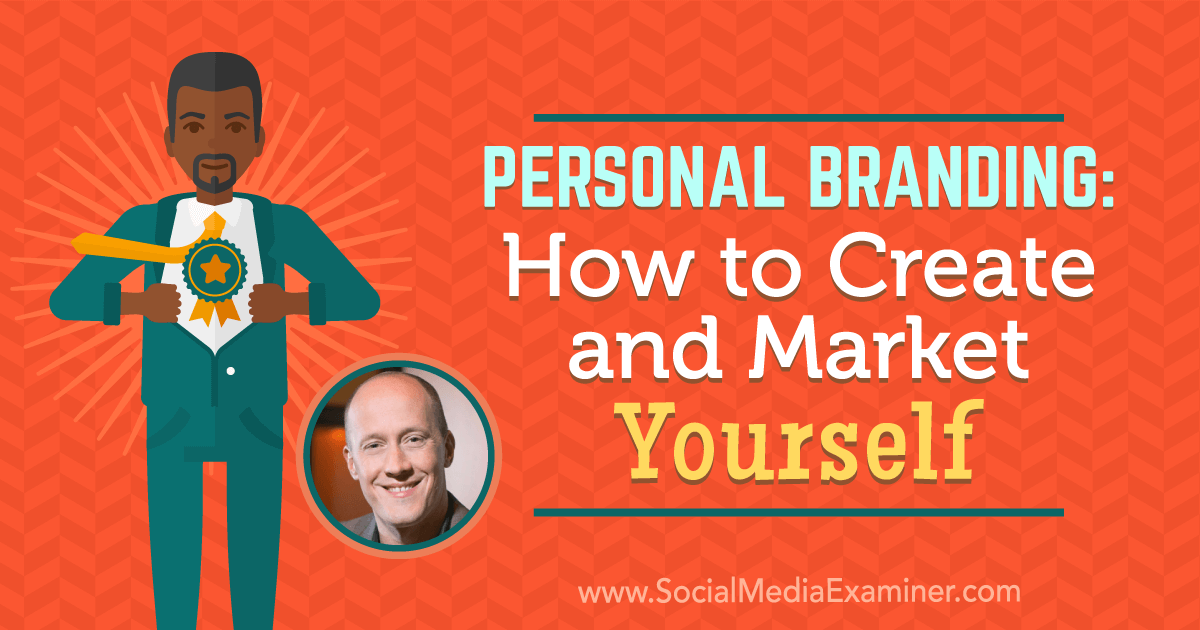
Personal Branding: How to Create and Market Yourself

Want to reach more subscribers, fans, or prospects? Wondering how building a personal brand can help? To explore how to build and use a personal brand, I interview Chris Ducker. More About This Show The Social Media Marketing podcast is an on-demand talk radio show from Social Media Examiner. It’s designed to help busy marketers, [...]

This post Personal Branding: How to Create and Market Yourself first appeared on .
- Your Guide to the Social Media Jungle

March 09, 2018 at 12:00PM http://bit.ly/2IgNxDu
read more...
from http://bit.ly/2oZyPI0
via IFTTT

Thursday, March 8, 2018

Twitter CEO Live Streams Answers About the Social Network’s Health

Last week, Twitter CEO Jack Dorsey announced the company is soliciting applications from people who’d like to help study Twitter’s health as a platform for conversation.

Or should we say, #health.

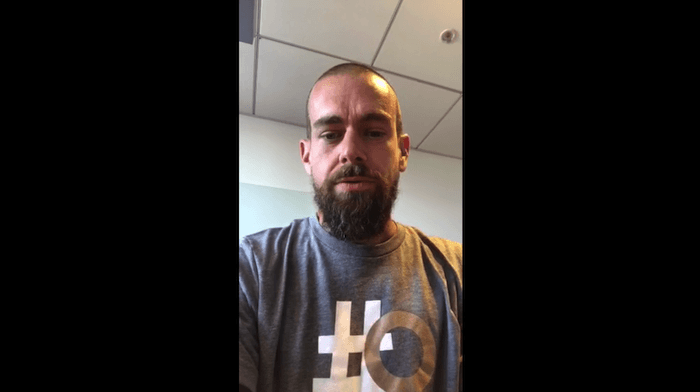
Today, the CEO took to Periscope -- Twitter's live streaming video app -- with a mobile panel of himself and three of his colleagues who are in charge of the health of the social network.

ceo jack dorsey on twitter health study

This team included:

"All of us are a little bit nervous, so give us a little bit of time to find our groove," a candid Dorsey said before handing the device to Gasca.

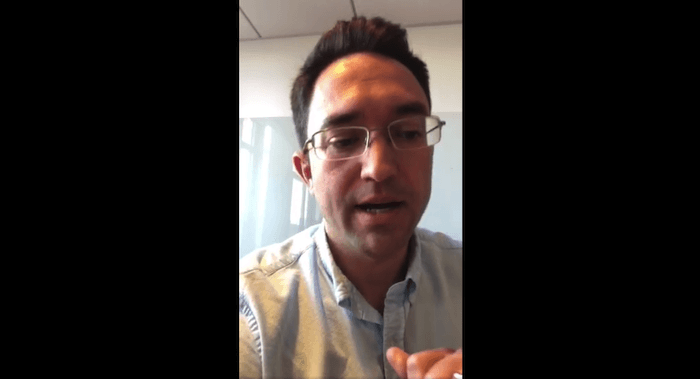
David Gasca: How They'll Measure Twitter's Health

david gasca on twitter health study

The Product Health lead opened by explaining that they intend to examine the health of the platform "in such a way that is public and accountable," but also goes beyond simple metrics such as how much engagement certain tweets get from their users.

Gasca stated their efforts were at least partly inspired by research released by Cortico, a not-for-profit that suggested a few basic ingredients of healthy dialogue on social media.

However, according to Gasca, the "density" of certain networks within Twitter, as well as the idea of "social capital" may also play a part in their research.

In that spirit, Gasca said they're looking for new approaches -- both professional and academic -- to address what he admitted is a legitimate problem across the Twittersphere. People can submit proposals by April 13 via this blog post, after which time Twitter will contact a set of "semifinalists" for more detail on their proposals.

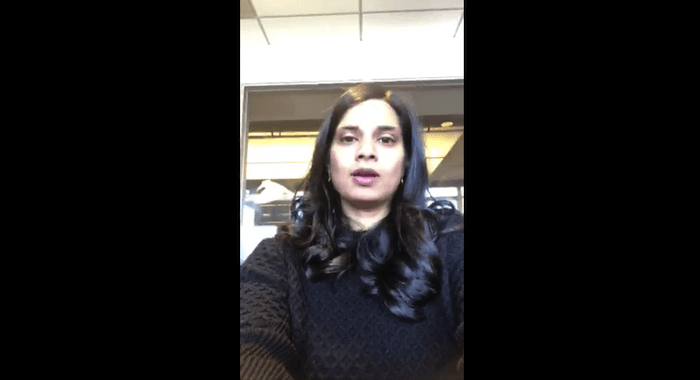
Vijaya Gadde: Navigating Personal Biases Within the Company

vijaya gadde on twitter health study

Gadde took the first question from a live viewer who asked if all four employees on the Periscope identify as liberals -- and if so, how that might create bias when they scrutinize political commentary on Twitter.

"This is true not just of [many Twitter employees], but of the industry, and of Silicon Valley," she responded. But, Gadde said, impartiality has always been a priority within Twitter. "We are very much accused of censorship and bias … and it's important to understand how … the engineers and the teams working on our algorithms may be biased as well."

This is likely top of mind for many at the company, following an ex-Twitter employee who reportedly deleted President Trump's Twitter account shortly before leaving the company.

Gadde admitted "everyone has bias" and that they're using this as motivation to come up with a healthy way forward.

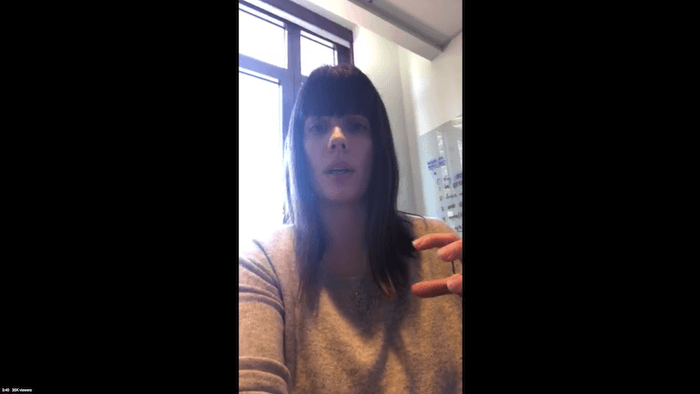
Del Harvey: The Role Health Plays to Future Company Policy

del harvey on twitter health study

Late into the stream, a question was posed to Del Harvey asking if the concept of health itself should be used as a framework for Twitter’s policies moving forward.

"We're looking at this … overarching, holistic view of health on the platform," she explained. "But that's not the only way we're going to be continuing to measure our success."

Still, Harvey said an initiative around Twitter's health can help reveal necessary connections between business policies, similar to how certain departments can become siloed from one another in the organization. Trademark violations, for example, may have a more visible relationship to intellectual property violations when seen through the lens of product health.

Harvey and Dorsey also heavily covered their treatment of parody accounts, many of which have been shut down for reasons related to their messaging -- but are also considered important to the culture of the social network.

"We believe [these parody accounts] add an enormous amount to Twitter, and that's something we always want to protect," said Dorsey. Regarding these accounts' involvement in inflammatory speech, the CEO suggested new types of account verification might come into play as well to ensure that "people know [a certain parody account] is meant to be entertaining."

The 45-minute Periscope covered numerous other questions from viewers, all of which are sure to play a part in Twitter's planned study. See the recording of the live stream from Jack Dorsey's tweet.

Will there be more panels like this one? Dorsey confirms there will be, alluding to "future Periscopes" where he'll introduce more Twitter staff to speak on this important subject.

http://bit.ly/2DdABKM

The Final Ascent: The Journey, Episode 20

The Journey, a Social Media Examiner production, is an episodic video documentary that shows you what really happens inside a growing business. //http://www.youtube.com/watch?v=PX05lIIM-D4 Watch The Journey: Episode 20 Episode 20 of The Journey follows Michael Stelzner, founder of Social Media Examiner, as he continues to pursue what many will see as an impossible goal: to [...]

This post The Final Ascent: The Journey, Episode 20 first appeared on .
- Your Guide to the Social Media Jungle

March 08, 2018 at 01:00PM http://bit.ly/2zqjbZQ
read more...
from http://bit.ly/2G6SFtk
via IFTTT

How Do You Optimize for Voice Search? Our Experts Weigh In

When Backlinko released its analysis of 10,000 Google Home voice queries -- we were fascinated.

After all, we do spend a good chunk of time around here thinking, talking, and writing about voice search. Heck -- I even filled my home with three different smart speakers to see which one worked best. And when it comes to the future of SEO, I believe that voice search will only continue to play a fundamental role in how we not only seek and consume information, but also, how Google ranks and surfaces it.

So, the question remains: As this horizon continues to evolve and shift, how -- oh, how -- can sites be optimized for voice search?

That's what Backlinko set out to answer when it conducted this study. Using what the team believed to be 11 potential ranking factors -- things like PageSpeed, Schema markups, and the enabling of SSL -- founder Brian Dean reported key takeaways on the most significantly factors of voice search SEO.

Now, our experts have weighed in on what we have found to be the most compelling of those findings.

Our Experts Weigh In: Key Findings on Voice Search Ranking Research

1. Page Speed

"PageSpeed appears to play a major role in voice search SEO. The average voice search result page loads in 4.6 seconds (52% faster than the average page)." - Backlinko study

What Our Experts Say: Victor Pan, Head of SEO

When it came to page speed, our SEO experts actually believe it might not play a major role in voice search optimization. "PageSpeed is probably not a [direct] factor in voice search," says Pan. "But sites that are well-optimized for user experience tend to rank highly, and voice search results tend to come from top-ranking results."

That said, it would be interesting to conduct further research to determine if these same faster-loading sites -- the ones that receive better voice search rankings -- also have higher search engine results page [SERP] rankings. "Drawing conclusions without proper experimental setup is something our industry tends to do," admits Pan, "though I'm for faster sites, all the time."

2. HTTPS and SSL

"HTTPS websites dominate Google’s voice search results. In fact, 70.4% of Google Home result pages are secured with HTTPS."  - Backlinko study

What Our Experts Say 

Each night, Moz tracks the most significant SERP features and ranking factors in its MozCast Feature Graph -- and, as of writing this post, HTTPS results (sites with enabled SSL, or the Secure Sockets Layer technology that encrypts your website connection so hackers can't intercept your data) accounted for 79.8%.
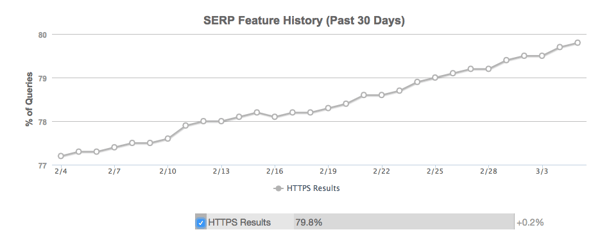
Source: Moz

In other words, Pan explains, Moz tracks the SERP for 10,000 keywords, nightly -- and of all the sites ranking for those 10,000 keywords, within the top 10 results, 79.8% of them are HTTPS.

"If we believe in Mozcast's keyword sampling methodology, 70.4% of Google Home results pages being in HTTPS discovered during Backlinko's research is actually on the low side," says Pan, especially when you consider "not all of those queries tested by Moz necessarily lead to voice search results."

So, when you compare Backlinko's voice search HTTPS results figure (70.4%) with Moz's (79.8%), it actually suggests HTTPS is not a ranking signal for voice search, Pan explains.

"If it was," he says, "the number from Backlinko would be higher than the average reported by Moz."

3. Answer Length

"Google prefers short, concise answers to voice search queries. The typical voice search result is only 29 words in length." - Backlinko study

What Our Experts Say: Matthew Howells-Barby, Director of Acquisition

"This makes a lot of sense to me," says Barby. "Google is likely taking a very similar approach to sourcing voice responses as it does to Featured Snippets."

That was the same conclusion we drew when it was announced Google would soon be incorporating more than one Featured Snippet in the SERP for more complex queries.

And that display of more Featured Snippets in the SERP could indicate a higher barrier to earning clicks, especially if the snippets answer the query sufficiently enough the user doesn't need to look -- or click -- any further.

Marketers, for their part, would benefit from preparing for that outcome. "Content creators should be adding voice-ready -- and featured-snippet-ready -- snippets into their content," Barby explains, "to make it as easy as possible for Google to surface the answer they need."

4. Schema Markups

"Schema may not play a key role in voice search rankings. 36.4% of voice search results come from pages that use Schema (which is only slightly higher than the worldwide average of 31.3%)." - Backlinko study

What Our Experts Say

Here's another finding that doesn't come as a shock to Barby.

"Similarly to the length of answers being pulled into voice responses, the lack of reliance on Schema markup doesn't surprise me," he says.

He points to a recent HubSpot study that found the same thing to be true for Featured Snippets.

"It seems like Google prefers to rely on its AI to surface the right result," he says, "rather than the creators of content."

5. Authoritative Domains

"Authoritative domains tend to produce voice search results significantly more than non-authoritative domains. In fact, the mean Ahrefs Domain Rating of a Google Home result is 76.8."  - Backlinko study

What Our Experts Say

For reference, the Ahrefs Domain Rating measures "the strength of a target website’s total backlink profile (in terms of its size and quality)" on a scale of 0-100.

That scale is what Ahrefs calls "logarithmic," which means the room for growth between Domain Ratings of 77 and 78 is much larger than one between 27 and 28. So, the higher the Domain Rating, the more difficult it becomes to gain another point or two.

The reason behind this high Domain Rating of Google Home result pages is smart speakers like this one only provide one answer to your question, rather than the SERP's list of several.

"This means that Google needs to be extremely confident that they’re giving you accurate information," the Backlinko report explains. "And to help ensure accuracy, the voice search algorithm may rely on domain authority over page authority."

But that doesn't mean small businesses who are still building backlinks and authority should give up on optimizing for voice search, Pan says.

"As someone who worked on SEO for the Fortune 500 companies, these large companies simply had the budget and talent to spend millions in content creation," he says. "I suspect that sheer quantity of content -- which is helpful for users -- leads others to link to these big brands they trust."

That doesn't mean those brands are authoritative in their domain, per se, says Pan -- and that the wider-spread brand recognition might be behind this "advantage in winning voice search," he explains, which "is what's causing the average voice search result to have a high Ahrefs Domain Rating."

6. Social Sharing

"Content with high levels of social engagement tends to perform well in voice search. In fact, the average voice search result has 1,199 Facebook shares and 44 Tweets." - Backlinko study

What Our Experts Say

"I think that this is a classic case of simple correlation," says Barby. "Google doesn't use social shares to rank content. They'll use social shares to improve crawling -- just share a link on Twitter to see that -- but not to determine authority."

"The reality is that most content that gets large volumes of backlinks tend to also get large volumes of social shares," he continues. "The backlinks will be the element that is moving the needle for ranking is search -- not the social shares."

7. Linguistic Simplicity

"Simple, easy-to-read content may help with voice search SEO. The average Google voice search result is written at a 9th grade level." - Backlinko study

What Our Experts Say: Padraig O'Connor, Associate SEO Marketing Manager

When we prompt voice assistants to answer a question, we don't exactly expect (or want) to be read a novel in response. That's why Google Home, for example, often reads excerpts -- or snippets -- best summarizing the answer, then leaves a link to the full page in its corresponding app.

It would make sense, then, that Google Home selects the most concise answers that are easiest to read and hear, to allow for optimal listening comprehension. "Simple and easy-to-read content is ideal for voice search," says O'Connor.

It goes back to the idea of growth within the idea of conversational marketing: the type that uses natural language to engage with users, even if there isn't an actual human being responding to queries. 

"Most people converse in a language that’s easy to understand," O'Connor adds. "Google wants to do the same with the searcher at the other end of Google Home."

To address that, he recommends marketers write copy accordingly. "Marketers should ensure that their content is written in a language similar to the way people converse and search."

8. Title Optimization

"We found that very few voice search results had the exact query in their title tag. Therefore, creating individual pages for each voice search query doesn’t appear to be an effective voice search SEO strategy." - Backlinko study

What Our Experts Say

"At HubSpot, we’ve found that optimizing existing content for new Google SERP features is much more effective than creating a net new piece of content," O'Connor says. "Our best advice to publishers is to tailor their existing content for voice search, rather than create brand-new articles for voice search alone."

You might be familiar with HubSpot's historical optimization project, in which the type of work O'Connor describes is done internally. But he cautions against optimizing for a single type of search. While voice queries might be rising in popularity and volume, many still use other methods of discovering information.

"Ultimately, you want to solve for all types of search," he says, "be it desktop, mobile, or voice -- and not pigeonhole yourself to one particular type."

9. Parallels Between Desktop and Voice Search Results

"Content that ranks highly in desktop search is also very likely to appear as a voice search answer. In fact, approximately 75% of voice search results rank in the top 3 for that query." - Backlinko study

What Our Experts Say

Aha! So, O'Connor was right. Even though we expect to see a continued increase in voice queries, desktop still matters.

It goes back to what I noted earlier about the simplicity of any query answer that comes in the form of an excerpt or snippet. That's one of the things Google has used to determine how to float and rank results: the combination of quality and relevance, even if it means displaying more than one Featured Snippet in the SERP.

As for Barby, these findings don't come as a surprise.

"Ultimately, Google is still going to be relying on its core ranking factors to determine which of the many relevant results it should surface as the voice result," he says. "The big difference in voice search is that there's no longer a 'page 1 of Google' -- it's one simple result or nothing."

10. The Featured Snippet: Full Circle

"Appearing in a Featured Snippet may help you rank in voice search. 40.7% of all voice search answers came from a Featured Snippet." - Backlinko study

What Our Experts Say: Brittany Chin, Growth Marketer

Backlinko's discovery of a correlation between the Featured Snippet and voice search responses is somewhat similar to its findings on positive outcomes for brevity and listening comprehension. As I noted before: That's why Google Home, for example, will often read an excerpt -- or snippet -- that best summarizes the answer, and then leaves a link to the full page in its corresponding app.

Chin's research corresponds to this finding. "In a majority of cases, Featured Snippets are there to answer question-based queries in the SERP," she says. "Google is trying to surface the best and most direct answer to the question right within the results page, which is the same thing it's trying to do with a question-based voice query -- but only get one shot at the answer."

Chin also notes the goals of the Featured Snippets and voice queries are essentially one in the same: "to answer a question."

"As for Marketers and SMBs," she continues, "the strategy for both is fairly similar --continue creating helpful content that answers your audience’s questions in a simple and understandable way."

Featured image credit: "Google Home device in front of closed blinds" by NDB Photos, used under CC BY / Cropped from original

http://bit.ly/2oU0ScK

How to Remarket to People Who Watch Your YouTube Videos

Want to increase your YouTube subscribers? Wondering how to retarget YouTube video viewers with YouTube ads? In this article, you’ll discover how to create a YouTube remarketing campaign with Google AdWords. #1: Create Video Ads That Highlight Your Channel’s Content and Drive Subscriptions To reel viewers in with your remarketing video ads, your videos need [...]

This post How to Remarket to People Who Watch Your YouTube Videos first appeared on .
- Your Guide to the Social Media Jungle

March 08, 2018 at 12:00PM http://bit.ly/2IacsIZ
read more...
from http://bit.ly/2p0IldZ
via IFTTT