Friday, April 14, 2017

Easy as ๐Ÿฐ: How to Boost Engagement with Emoji Push Notifications

One night, I re-wrote an entire Sublime song in emojis.

Yes, seriously.

I can’t remember what prompted me -- maybe I was just bored. But I spent a few hours and spelled out Sublime’s “What I Got” in its entirety with the tiny images.

Here’s a snippet of the song:

emoji_song_lyrics.png

Ridiculous, maybe. But there are also lessons here:

  1. Emojis are fun and relatable -- everyone can understand them.
  2. Emojis can convey a lot more than words -- especially when you’re not face-to-face with your audience.
  3. When used correctly, emojis can make you feel something, whether that’s excitement, recognition, or happiness (๐Ÿ™Œ ).

Here at Leanplum, we were eager to explore how emojis can help mobile marketers communicate with users in a more personalized fashion. After all, we all use emojis every day -- in our texts to friends, work emails, social media posts, and so on.

But what happens when a marketer sends an emoji?

To find out, our data science team analyzed 2.6 billion push notifications containing emojis. We looked at every facet of engagement -- opens, conversions, retention. And we found some interesting results.

We crunched the numbers to create a data-backed guide to using emojis, designed for mobile marketers.

Why Do We Love Emojis?

For one, emojis are great for conveying tone, facial expression, emotion -- and in my case, even song. When you have a conversation with a friend face-to-face, it’s easy to express sarcasm. But on the internet, it’s a little tougher.

According to scientists, when a person sees an emoji in a message, their brain lights up the same way as when they see a human face. The brain recognizes emojis as nonverbal information, and as a result, emojis are then processed as emotions. Emojis have the power to change the mood of the reader.

If someone sends ๐Ÿค˜, ๐Ÿ™Œ , or ๐Ÿ˜‚ in a push notification, it will spark the warm-and-fuzzies in whoever reads the notification. Naturally, more people will want to click on something that makes them feel good.

leanplum_music.png

In our data, we found that the library of emojis that marketers can use has increased in size by 108%. This makes sense, considering hundreds of new emojis were added just last year. Now, it’s easier than ever to find an emoji that relates to you, and even looks like you.

The list of new emojis includes some of our all-time favorites, like the rainbow flag ๐Ÿณ️‍๐ŸŒˆ , a David Bowie tribute๐Ÿ‘จ๐Ÿผ‍๐ŸŽค , and new options for genders, races, and diverse family representation emoji-diversity.png.

With this in mind, emoji use has increased dramatically across most communication channels, including advertising, social media, email, and mobile push notifications. Let’s take a look.

How Emojis Have Evolved on Each Channel

Emojis in Advertising

There’s absolutely no shortage of advertising that contains emojis. A quick Google search for “best emoji advertising” turns up over 70 million results.

Brands can play a powerful role in how emojis are perceived by the public. Take Taco Bell, which started a petition signed by thousands of people and resulted in the creation of the highly requested taco emoji. Or Dove, which created its own set of emojis that depicted people with curly hair -- a contrast to the default emojis that all have straight hair.

curly_hair_emojis.png

The emoji trend in media has spread far and wide. This year, I spotted an emoji in a Super Bowl commercial. And the word is, there’s an upcoming film called “Emoji Movie” due out later this year.

One of my favorite emoji advertisements was a love story run by Pepsi. A man created signs depicting emojis to express how he felt about his partner and asked for her hand in marriage. This ad could have been run in any country. Love isn’t the only universal language at play here -- emojis are, too.

Emojis in Social Media

Emoji usage has exploded across social media as well. Just check out this real-time tracker of emoji use on Twitter. Emojis are used every second, in astounding numbers.

Instagram and Twitter aren’t the only social channels seeing a rise in emoji use. In February 2016, Facebook revamped its “like” button to include emoji reactions. People have since been able to share how they feel about a particular post, without using any words.

facebook_reaction_emojis.png

Emoji usage in social media has risen, and engagement with emoji posts has seen a similar climb. According to Social Media Today:

  • On Twitter, emojis result in 25.4% more engagement.
  • On Facebook, emojis result in 57% more likes, 33% more comments, and 33% more shares.
  • On Instagram, nearly 50% of all comments and captions contain emojis.

For a real-life example, check out Bud Light. The company tweeted an American flag comprised purely of emojis for the 4th of July, and it received nearly 140,000 retweets.

The takeaway for marketers: Love for emojis has increased use across all platforms. It’s a critical factor in garnering more brand engagement across media platforms.

Emojis in Email

How do emojis impact email open rates? 64% of people say they open an email due to its subject line. Naturally, emojis must have an impact on that.

In a study, myclever Agency found that 56% of brands saw an increase in open rates when email subject lines included emojis. Furthermore, there was also a higher clickthrough rate -- meaning recipients were engaging with more emails due to emojis.

To help you get the best of your email campaigns, check out this list of popular subject line emojis. Here's a sneak peak below:

emojis_email_list.png

The image details the iOS, Android, and Outlook emojis, so you understand what your message looks like across all platforms and devices.

Emojis in Push Notifications

To analyze how this trend carries over from other channels, we tracked the year-over-year increase of emoji usage in push notifications in our own report here at Leanplum.

We learned that between 2015 and 2016, emoji usage in push notifications rose 163%.

emoji-data-leanplum.png

Emojis are a popular medium with which to communicate with users -- wherever those communications may live. But beyond popularity and novelty, how do emojis impact your bottom-line KPIs?

Improving Metrics With Emoji Push Notifications

It turns out, emojis can do a lot to improve mobile marketing outcomes.

Emojis Drive ๐Ÿ‹️‍ Push Notification Opens by 85%

First, we analyzed the open rates of push notifications that contained emojis vs. push notifications that did not contain emojis. It turns out, there was a significant difference.

Push notifications with emojis saw an 85% increase in open rates.

leanplum-data-2.png

For mobile apps, this is huge. Push notifications can engage new users, or users who’ve fallen dormant using the app, and lure them back in. Add an emoji to your messaging, and you might be able to reach almost twice as many users. ๐Ÿ’˜

Emojis Boost ๐Ÿš€ Conversions by 9%

Emojis can also have a direct impact on calls-to-action (CTA).

Mobilityware, a mobile gaming company that develops addictive card and casino hits, wanted to understand the impact of emojis in its messaging campaigns. It set up an A/B test via a push notification, offering players the chance to collect bonus chips. In the test, one notification included an emoji, the other did not.

The push notification that contained an emoji saw a 9% bump in users who clicked the CTA.

leanplum-data-3.png

Emojis Increase ⬆️ Day 2 Retention by 28%

Yet another app ran an experiment with emoji push notifications that we analyzed in our report. For US users on Android smartphones, the day two retention rate increased by 28%.

This growth illustrates a huge win during a critical point in the user cycle to ensure continued app adoption.

leanplum-data-4.png

When users engage with your app from the beginning, they’re more likely to stick around. In fact, we’ve found that if you can increase retention during the first 10 days after install, you can increase retention for the entire first month.

Emojis Outperform ๐ŸŽญ Images by 9%

Finally, emoji engagement extends beyond push notifications to other forms of messaging, too.

Canva is a drag-and-drop design app that helps anyone make beautiful graphics. It ran a messaging A/B test that pitted emojis against images. Half its audience received an in-app message with text and an emoji; the other half text and an image.

The result from our analysis: the emoji variant outperformed the image version by 9%.

leanplum-data-5.png

Do More With Your Emojis

Mobile brands should continue to experiment with emojis in all their messaging, from push to in-app and email. The sky’s the limit ๐ŸŒค when it comes to emoji engagement.

To get started, check out our infographic below. It lists 25 emoji power⚡️ words to consider using in your next push notification. Each of these emojis had an above-average open rate. These high-performing emojis can help you boost your push notification engagement and conversion rates.

leanplum-data-6.png

To get more juicy emoji data, download the full report from Leanplum, "Winning App ❤️ (& ๐Ÿ’ธ) With Emojis."

Have you experimented with emojis in your marketing messaging? Share with us in the comments below. ๐Ÿ˜‰

Learn more about HubSpot Classroom Training!

http://bit.ly/2pgr7sF

Thursday, April 13, 2017

Content Creation Workshop Roadshow | 7,000+ Miles in 100 Days

pillar-content-creation-workshop-map-1.pngI’ve always been obsessed with content – how its message has the ability to inspire,
educate, motivate, and drive people to take action, whatever that action may be. Early on in my career – dating back to 2010 when Google Analytics still let you view keywords that led to organic website visits – I sold enterprise-level search engine marketing services for a small startup in my hometown of Charlottesville, VA. I loved it. Not only did I learn the ins and outs of how search engines operate, but most importantly, I noticed a trend that seemed to plague the majority of folks I talked to: people had issues creating valuable content on a consistent basis. This poses an obvious issue to those who aspire to be found online through non-paid search, as you need content to be successful.

Once I learned this, I was hooked. It became my life’s mission to help people effectively tell their brand’s story in a way that attracted and engaged their ideal audience. This led to me managing content strategy for a range of companies over the course of five years, from small businesses to Fortune 100 companies. I had failures, I had successes, but most importantly, I learned a lot and developed an understanding of how to start and grow an efficient and effective content process.

To keep it short: tactics come and go, but having a foundation is what will get you through the ups and downs of being a successful content marketer.

Currently, I’m the Content Professor for the HubSpot Academy. This is a perfect position for me as I’m able to spend the majority of my time digging deeper into research and performing tests to solve this fundamental issue that plagues many business – creating valuable content on a consistent basis. It should go without saying that I’m very passionate about what I do.


Over the past year, I’ve:ContentMarketingCourseBadge-1arm-Cropped-1.png

  • had countless hours of content marketing conversations with anyone interested in the subject
  • created and launched HubSpot’s Content Marketing Certification
  • created a beginner's guide to applying content marketing to your business
  • hosted various content creation training sessions
  • performed multiple tests to learn more about what works, what doesn’t, and why when it comes to content creation.

And while there’s a lot that still needs to be done on this front, I’ve reached a milestone in this journey and one that is a significant step in the right direction.

I’ve identified a content creation process that helps small to large businesses across many different industries make sense of short-term content tasks (i.e. blogging, videos, etc.) that have the ability to grow into long-term content goals (i.e. business-aligned content that completes a successful buyer’s journey experience for your buyer persona(s)).

How do I know this? Well, I’ve been working with businesses that span many different industries – I even put my lifestyle brand, Wild We Wander, through the process. If you produce or manage content, then this process can bring value to your business. 

In an effort to educate and inspire the world to create more effective content, I’m heading out on the road with my wife, Ariele, in our Airstream and DIY truck camper to travel 7,000+ miles over the next 100 days to perform a series of transformation workshops at various HubSpot User Groups across America. I’ll also be meeting up with content marketers along the travel path to continue developing a solution for creating an effective content strategy (#neversettle #alwaysbelearning), which is the subject of my INBOUND Training Day on September 25, 2017. 

Click here to learn more about and register for the content creation workshop.

If you’re curious and want a tour of our full-time adventure fleet, then check out the video below.

I’ll be documenting the journey on twitter using #unboundinbounder. Why this hashtag? Content and I share the same passion – being unbound and without limit. If you have any content advice, questions, inspiration, etc., then please join the conversation using the hashtag – we’re all in this together.

Ramble on!

pillar-content-workshop.png

http://bit.ly/2nIDgZY

19 Statistics About Millennials Marketers Should Know [Infographic]

multicultural_millennial_compressed.jpg

Millennials, or people between the ages of 18 and 34, make up the largest population group in the United States. There are more than 75 million millennials in total, and that number is projected to increased to more than 81 million by 2036. Additionally, this age group is the most active and engaged across social media platforms.

So it should come as no surprise that marketers are eager to learn more about how to capture millennials' attention, time, and spending dollars.

Get everything you need to build a memorableย brand in our branding kit. Download itย now.

Buzz Marketing Group, an agency dedicated to marketing to this demographic, surveyed millennials to learn more about their content consumption, purchasing, and social media habits. Among other surprising statistics, 83% of respondents said they like when brands take a public stand on issues they feel strongly about, and 28% reported they went on "digital diets," or breaks from technology, every month. Read more about millennial media and purchasing habits in this infographic from Adweek.

multicultural-millennial.png

get inbound certified for free

http://bit.ly/2pa2AIr

How to Amplify Your Pinterest Marketing

Want more Pinterest exposure? Looking for ideas to create engaging Pinterest boards? A successful Pinterest marketing strategy relies on the right mix of individual pins and boards to attract viewers and drive engagement. In this article, you’ll discover how three brands are using unique Pinterest boards to amplify their visual marketing. Why Invest in Pinterest? [...]

This post How to Amplify Your Pinterest Marketing first appeared on .
- Your Guide to the Social Media Jungle

April 13, 2017 at 12:00PM http://bit.ly/2pwz8cc
read more...
from http://bit.ly/2pwzRu3
via IFTTT

What Do Snapchat Emojis Mean?

snapchat_emojis_compressed.jpg

There are hundreds of emojis available on iOS and Android mobile device keyboards. Everything from tacos to national flags to artists is represented in cartoon emoji form.

But let’s be real here: Most of us just use the same few emojis over and over.

Download our free Snapchat guide to learn how to use it for your business.ย 

If you know me, you know I love two things more than anything: cats and sleeping. So it’s fitting that the two emojis I use most often in my texting keyboard are:

                                                       cat_emoji sleep_emoji

Another thing you may already know about me is that I love using Snapchat. So when emojis started popping up in my list of chats with friends in the app, I needed to get to the bottom of it.

In this post, we’ll dive into the history of Snapchat emojis and what they all mean. Bear in mind that these emojis vary slightly across iOS and Android devices, so we’ve written out what the faces look like, too.

What Do Snapchat Emojis Indicate?

Snapchat emojis track the activity and behaviors between Snapchat users and their friends. The frequency, timing, and pattern of your Snapchat interactions with other users will determine which emojis, if any, appear in your list of Snapchat chats.

Not sure what I mean? Check out my list of Snapchats, along with a few different emojis you might see in your own app. To access this page, open up your Snapchat app, and swipe right.

snapchat_emojis_chat.png

When Snapchat was first created, the app used to show who users’ best friends were publicly (best friends are the users they sent the most Snaps back and forth with). You can imagine why users took issue with this. Can you imagine the awkwardness of finding your best friend or significant other was best friends on Snapchat with somebody else?

So in 2015, Snapchat (now Snap. Inc) axed this feature in the name of user privacy and hid the lists of other users’ best friends -- to more outraged reactions. Snap Inc. CEO Evan Spiegel has said that the app will bring back public best friends, but so far, that hasn’t happened.

In the meantime, the friend emojis we decode below have replaced the list of best friends -- and provide greater detail. Now, there are more insights into how users interact with friends -- you just need to know how these behaviors are represented in the app.

Let’s dive into understanding your Snapchat contacts list better. And remember: These emojis are only visible to you.

What Do Snapchat Emojis Mean?

1) Smiley Face Emoji on Snapchat

snapchat_bestfriend.png

What it means: This user is one of your best friends on Snapchat. You frequently send Snaps back and forth to each other.

2) Yellow Heart Emoji on Snapchat

snapchat_yellow hearts.png

What it means: This user is your #1 best friend. You send the most Snaps to this user, and they send the most Snaps to you.

3) Smirking Face Emoji on Snapchat

snapchat_smirk.png

What it means: You're one of this user's best friends, but they aren't one of your best friends. They send you more Snaps than you send them.

3) Grimacing Face Emoji on Snapchat

snapchat_grimace.png

What it means: Your #1 best friend is their #1 best friend, too. You both send lots of Snaps to the same user.

4) Sunglasses Face Emoji on Snapchat

snapchat_cool.png

What it means: One of your best friends is one of their best friends. You send a lot of Snaps to someone they also send a lot of Snaps to. 

6) Red Heart Emoji on Snapchat

snapchat_red heart.png

What it means: You've been #1 best friends (yellow heart status) with this user for two weeks in a row.

7) Pink Hearts Emoji on Snapchat

snapchat_pink hearts.png

What it means: You've been #1 best friends with this user for two months in a row.

8) Fire Emoji on Snapchat

snapchat_fire.png

What it means: You and this user are on a Snapstreak -- you've been sending each other Snaps for several days in a row. The number of days you've been on a Snapstreak will appear next to the fire emoji.

9) 100 Emoji on Snapchat

snapchat_100.png

What it means: You've been on a Snapstreak with this user for 100 days in a row.

10) Hourglass Emoji on Snapchat

snapchat_hourglass.png

What it means: Your Snapstreak with this user will end if you don't send them a Snap very soon. You can send them a Snap or a Chat to keep it going.

11) Baby Emoji on Snapchat

snapchat_baby.png

What it means: You and this user have recently added each other as Snapchat friends.

12) Gold Star Emoji on Snapchat

snapchat_gold star.png

What it means: Someone has replayed this user's Snap within the past 24 hours.

13) Gold Sparkles Emoji on Snapchat

snapchat_sparkles.png

What it means: You're in a Snapchat Group Chat with this user. Learn how to start a Snapchat Group in this article.

14) Birthday Cake Emoji on Snapchat

snapachat_birthday cake.png

What it means: Today is this user's birthday. This emoji will only appear if the user indicated their date of birth in their Account information. Learn how to add your birthday to your account in this article.

How to Customize Snapchat Emojis

If these emojis aren't speaking to you, you can change them within your Snapchat account. For example, your best friends could be represented by a pizza slice instead of a yellow heart if you really love pizza (and your friends, I suppose). Here's how it's done:

1) Open up your Snapchat app and swipe down. You'll see your profile screen and Snapcode.

2) Tap the Settings gear in the upper right-hand corner.

snapchat_snapcode_settings.png

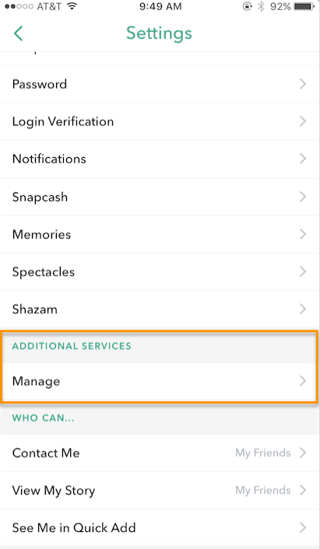
3) Select "Manage" under the "Additional Services" menu.

snapchat_addtional services.png

4) Select "Friend Emojis."

snapchat_friend emojis.png

5) From there, you can tap into each signifier and choose a new emoji to represent what it means.

snapchat_emojilist.png

Source: Snapchat Support

And there you have it. We'll keep this post updated with new developments in the world of Snapchat emojis. In the meantime, keep snapping to see how your emojis change, and let us know how long your longest snap streak is.

What's your greatest Snapchat emoji achievement? Share with us in the comments below.

Register for HubSpot's Free Inbound Marketing Course

http://bit.ly/2pbUMD9

6 Questions to Ask Before Hiring a Freelance Graphic Designer

graphic-design-interview-questions.jpg

Hiring the wrong freelance graphic designer can make or break your brand or marketing objectives. A designer that can’t complete projects on time, lacks the ability to adapt to your brand aesthetic, or has never taken on the type of work you’re doing could cause you to lose business.

Regardless of the type of project you’re hiring a designer for, it’s important to make sure you’re bringing in the right person for the job. Pose these six questions to each candidate before making a hire.

6 Freelance Designer Interview Questions

1) What motivated you to apply for this project?

This question can reveal a lot about whether the graphic designer you’re interviewing is genuinely interested in your company and what they’ll be working on. If they aren’t, it'll show in the final product -- and that's a losing situation for everyone.

Ask questions that gauge their knowledge of your business and goals, and observe how well their skills and interests align. You want a graphic designer who fundamentally understands what you are building and why it's important. Ideally, they’ll already be familiar with your company or will have interacted with you as a customer in the past.

2) What is your workload like?

There’s a big difference between the level of attention you’ll get from your freelance designer if you’re providing a significant portion of their income versus sending them a small project here and there.

Before committing to a contract, set clear expectations around your requirements. Will you need closer to five or 40 hours of their time each week? Find out how booked up they are with other clients and if it’s realistic for them to take on your project given your expectations and their other commitments.

3) Can you describe your design aesthetic?

A critical factor to consider when hiring a graphic designer is whether their work aligns with the overall design aesthetic you envision for your project.

If the designer you’re considering has a portfolio full of edgy, hand-illustrated black-and-white cartoon characters, they might not be the best fit to work with a mature brand that wants to appear authoritative. It's a good idea to look through the designer’s work to get a sense of whether their aesthetic jibes with your vision before getting too far into the interview process, but be sure to ask this question regardless.

4) What is your design process like?

The graphic designer you're considering should be able to articulate a clear path to achieving your desired results. An inability to do so could mean they don’t have enough experience to suit your needs.

For example, here's how veteran graphic designer Ian Paget of Logo Geek kicks off a project with a new client: "I start my design process by creating a list of goals that can be used as a tick-list to refer to during the design phase and when selecting the best solution. We cover areas such as the brand's story, values, competition and target audience."

Having a well-defined, agreed upon design process like this is key to the success of the designer-client relationship.

5) How would your other clients describe working with you?

When a graphic designer has a page of their portfolio website dedicated to testimonials or keeps an offline copy of positive reviews they've received from past clients, it tells you their customers are happy with their results and willing to publicly vouch for them. If they don’t offer to share, just ask.

However, if they’re unable to produce a few positive testimonials, that’s might be an indication they are unable to sustain good client relationships or produce quality results. Tread lightly.

6) Do you have a blog?

Graphic designers who have a blog and actively take steps to showcase their domain expertise are more likely to bring additional value, advice, and experience to the table --beyond the deliverables you've agreed upon. The right graphic designer with an active social media following or established personal brand can help create more than just a new style for your company; they can become a worthy advocate, too.

As for who should be asking the questions: If your graphic designer will be working hand-in-hand with other members of your content team such as writers and marketers, it’s essential these stakeholders have a say during the interview process. Aside from being able to weigh in on whether they like the designer’s work or not, your other team members’ inputs are valuable for a few reasons: they will have a close pulse on anticipating the timing for upcoming projects, an understanding of the deliverables, and will likely be the ones interacting most with the designer on a day-to-day basis.

These six questions will ensure you come out of the interview with a clear sense of whether the graphic designer candidate is right for the job. When you and the person you hire are on the same page, you’ll cultivate a better rapport and get mutually beneficial results.

creative-brief-cta

http://bit.ly/2pwF5Wp